



The Shift Towards Robot Umpires: A Double-Edged Sword for Major League Baseball
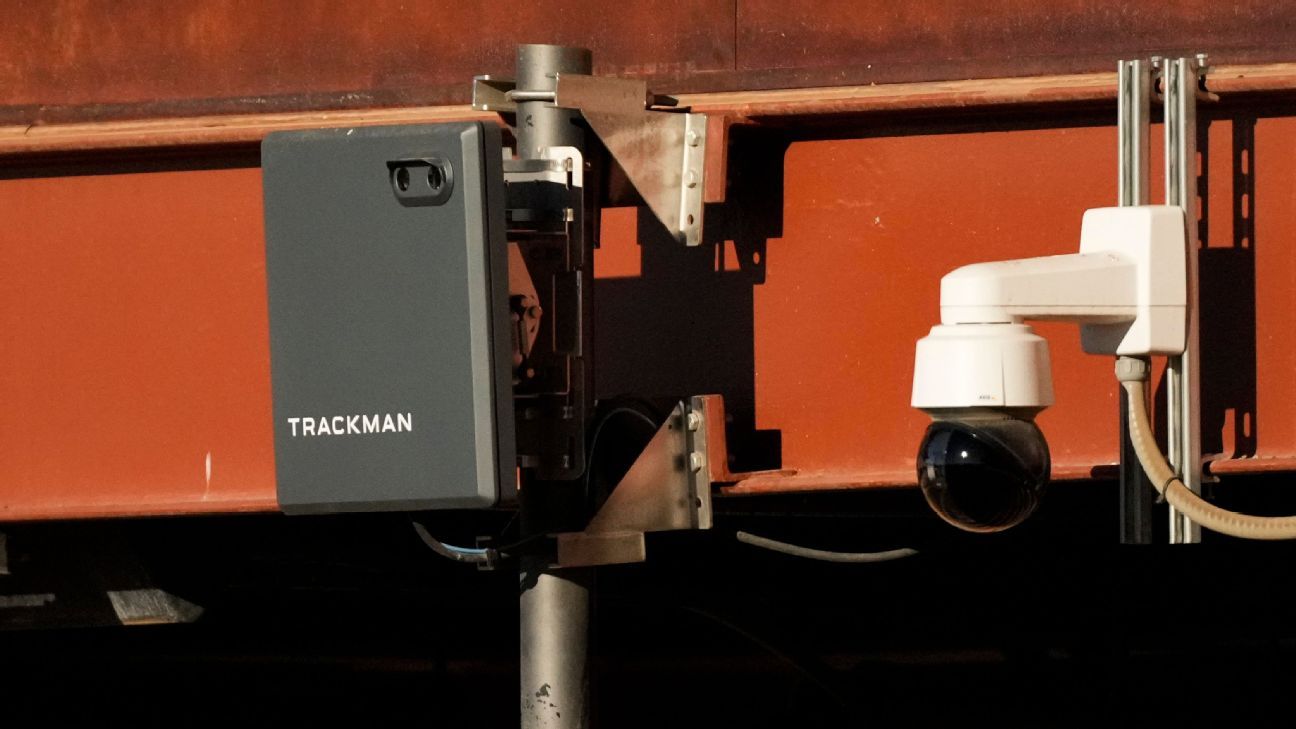
As Major League Baseball embraces technological advancements with the introduction of the Automated Ball-Strike System (ABS), it’s time to reflect on what this means for the future of the game and, more specifically, for the human umpires who have been at its heart for decades. The debut of this system during the New York Yankees’ season opener certainly has stirred up a debate that delves deeper than mere strike zone accuracy.
Concerns from the Umpiring Community
One voice of concern comes from Richie Garcia, a former major league umpire who highlights the emotional and psychological impact of this transition. He argues that relying on technology undermines the authority and expertise of umpires, stating:
- “It’s embarrassing to the umpires that are calling the game. Nobody likes to be humiliated in front of 30,000, 40,000 people.”
- Garcia’s sentiments reflect a broader unease among umpires who fear being judged against a technology that may not fully grasp the nuances of the game.
This feeling of humiliation is not unfounded. The pressure on umpires has only intensified with the advent of social media, where every call is scrutinized and dissected, often leading to public shaming for even the slightest mistakes.
Umpires: An Evolving Profession
Despite the introduction of ABS, it’s crucial to recognize that umpires have been improving their performance. According to recent statistics, last year’s umpires achieved their highest accuracy rate ever—92.83%. This shows that the human element in officiating is evolving, and there is still a place for umpires in this game.
- 368,898 pitches were called last season.
- The average number of missed calls per game has significantly decreased from 16.58 in 2016 to just 10.88 last year.
As Ted Barrett, another former umpire, points out, younger fans appear to favor the precision that technology offers, suggesting a generational shift in how the game is perceived. However, is this shift worth sacrificing the human element that has defined baseball for over a century?
The Potential of Technology
The implementation of the ABS allows teams to challenge calls, with each team receiving two challenges per game. This not only adds another layer of strategy but also serves as a safety net for umpires, potentially alleviating some of the pressure they face. As Sam Holbrook articulated:
- “You want to be absolutely 100% correct, but we’re all human and that’s just not possible.”
- He further notes that the ABS could help correct egregious mistakes, which could ultimately enhance the reputation of umpires.
However, the metrics surrounding the challenges indicate a mixed reception. During spring training, teams showed varying success rates in challenging calls, with Philadelphia leading at 61%. This variability raises questions about consistency and the learning curve for teams as they adapt to this new system.
Looking Ahead: A Balancing Act
The transition to robot umpires represents a significant shift in baseball’s landscape. With the ABS defining strikes differently than traditional rules, umpires may find themselves adjusting their approach to calls as they get evaluated based on technology that operates on a different set of criteria. This could lead to:
- Increased pressure on umpires to conform to technological standards.
- Potential identity crises within the umpiring community, as they navigate their roles in a tech-driven environment.
In conclusion, while the integration of technology into sports is becoming inevitable, it’s crucial to ensure that the human element remains valued. There’s no easy answer to the question of how to balance tradition with innovation. As fans and stakeholders in the game, we must reflect on what we value most—accuracy or the human touch that has always been a part of baseball’s rich history.
For a deeper understanding of this subject, I encourage readers to explore the original article here.