



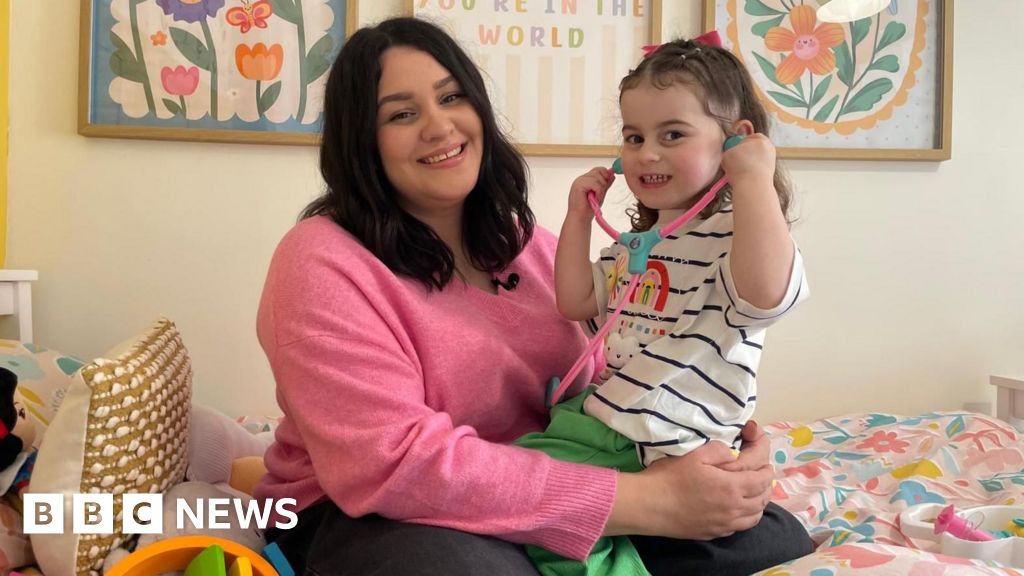
Understanding Postpartum Mental Health: The Case of Sofii Lewis
The journey of motherhood is often romanticized, yet it can be fraught with emotional and psychological challenges. Recently, the story of Sofii Lewis has shed light on a critical aspect of maternal mental health—specifically, postpartum psychosis and obsessive-compulsive disorder (OCD). Her experience serves as a poignant reminder of the complexities faced by new mothers.
The Reality of Postpartum Psychosis
Postpartum psychosis is a severe mental health condition that can occur after childbirth, often leading to disorienting symptoms that can be frightening for both the mother and her loved ones. In Sofii’s case, the onset of these symptoms was alarming, and her diagnosis highlights the importance of awareness and understanding in this area.
- Severity: Postpartum psychosis is rare but serious, affecting approximately 1 in 1,000 births.
- Symptoms: These can include hallucinations, delusions, and severe mood swings, which can pose risks to both the mother and the child.
- Need for Support: Early intervention and proper support systems are crucial in managing these symptoms effectively.
The Intersection of OCD
Alongside postpartum psychosis, Sofii was also diagnosed with OCD, which can manifest in compulsive thoughts and behaviors that are distressing. This combination of disorders can complicate the emotional landscape for new mothers, making it imperative that health care providers recognize and treat these conditions holistically.
- Common Symptoms of OCD: Intrusive thoughts, compulsive behaviors, and anxiety.
- Impact: These symptoms can detract from the joys of motherhood and lead to feelings of isolation.
- Therapeutic Options: Therapy and medication can be effective in managing symptoms and improving quality of life.
Importance of Awareness and Dialogue
Sofii Lewis’s experience serves as a wake-up call for society to foster open dialogues about postpartum mental health. The stigma surrounding mental health issues often prevents women from seeking help, which can exacerbate their conditions. It is crucial for family, friends, and healthcare professionals to create an environment where new mothers feel safe to discuss their mental health without fear of judgment.
- Education: Increasing awareness about the signs and symptoms of postpartum conditions can save lives.
- Community Support: Establishing support networks can provide essential emotional support to new mothers.
- Policy Changes: Advocating for better maternal mental health services in healthcare systems is essential.
Conclusion
The case of Sofii Lewis highlights the urgent need for comprehensive understanding and support for postpartum mental health issues. As we move forward, it is imperative that we not only listen to the experiences of mothers like Sofii but also take actionable steps to ensure that no mother feels alone in her struggles. By fostering awareness and support, we can improve outcomes for mothers and their families.
For more in-depth coverage of Sofii Lewis’s story and the issues surrounding postpartum mental health, I encourage you to read the original news article.