



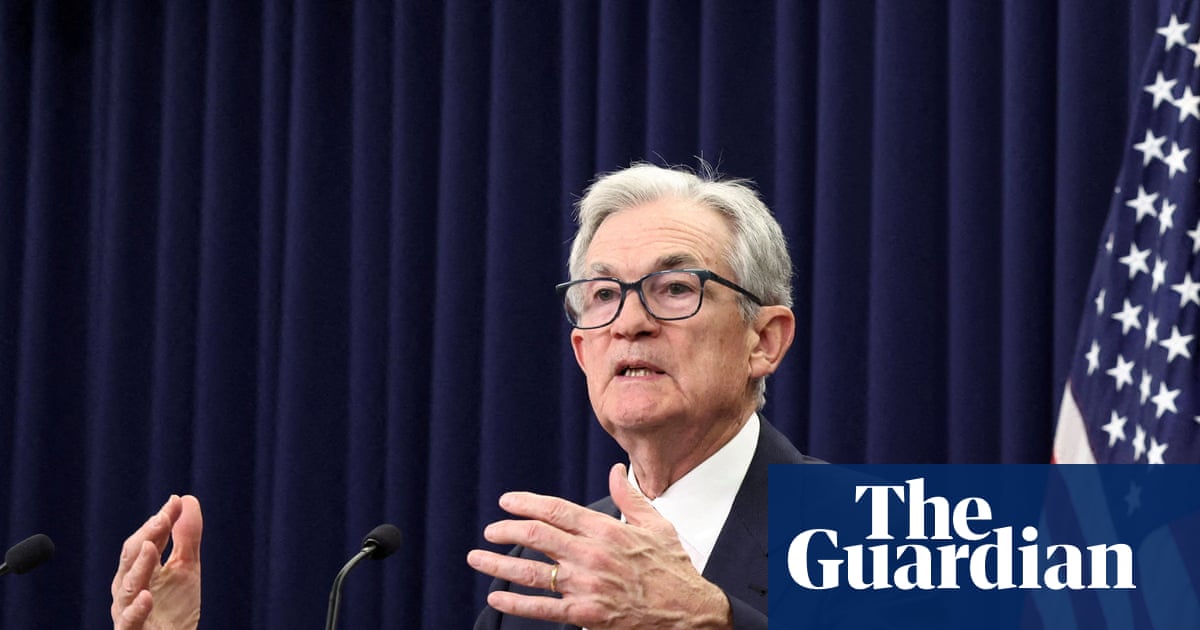
Fed Cuts Interest Rates Amidst Economic Uncertainty
The recent announcement from the US Federal Reserve regarding a quarter-point cut in interest rates marks the third such reduction this year. This decision reveals a significant divide among the members of the Federal Open Market Committee (FOMC), exposing the complexities of managing the US economy in turbulent times.
Division Within the Fed
With a nine-to-three vote to lower rates to a range of 3.5% to 3.75%, the usual consensus within the Fed has been disrupted. Fed Chair Jerome Powell has attempted to project a sense of unity, yet the reality of differing opinions among committee members cannot be ignored.
- The recent vote indicates a lack of agreement on the best course of action for the US economy.
- New projections hint at hesitation towards further rate cuts in the coming year, which could exacerbate tensions with the White House.
Impact of Economic Factors
The current economic landscape is complicated by various factors, including:
- Tariffs imposed during the Trump administration.
- Changes to the labor market due to immigration policies.
- Significant government budget cuts.
The Fed is further hindered by the lack of comprehensive data caused by the government shutdown, complicating their decision-making process as they navigate these challenges.
Inflation and Unemployment Trends
Recent data has shown slight increases in both inflation and unemployment:
- Inflation rose from 2.3% in April to 3% in September.
- Unemployment increased from 4% in January to 4.4% in September.
This dual trend poses a dilemma for the Fed. Maintaining high rates could risk stalling economic growth, while lowering them too quickly may lead to heightened inflation. Historically, Fed officials have taken a cautious approach, waiting to assess the impact of tariffs before making significant adjustments to interest rates.
Political Pressure and the Fed’s Independence
In recent months, President Trump and his allies have publicly criticized the Fed for not lowering interest rates more aggressively. This pressure is atypical, as US presidents usually respect the nonpartisan nature of the central bank.
- Despite rising inflation, Trump continues to blame price increases on the previous administration.
- Corporate leaders have indicated that tariffs are a significant factor contributing to rising prices.
Interestingly, Trump’s tone has softened somewhat since September, following the last two rate cuts. Powell has indicated that the Fed’s decisions are driven by concerns over the labor market rather than a straightforward response to inflationary pressures.
Looking Ahead
As we approach the end of the year, the Fed faces strong divisions on its path forward. Minutes from the October meeting highlighted “strongly differing views” among policymakers. Some members advocate for a cut to realign rates with a neutral policy stance, while others argue that current economic conditions do not justify such a move.
Next year will bring further changes, especially with Powell’s term as chair ending in May. Trump has suggested Kevin Hassett as a potential replacement, but the consensus among Republicans on this choice remains uncertain.
Conclusion
The Federal Reserve’s actions and the internal divisions it faces reflect the broader uncertainty within the US economy. As policymakers navigate these challenging waters, the balance between mitigating inflation and fostering employment will be critical in shaping the economic landscape for the foreseeable future.
For more detailed information, you can read the original news article here.