



Denmark’s Firm Stance on Greenland: A Commentary
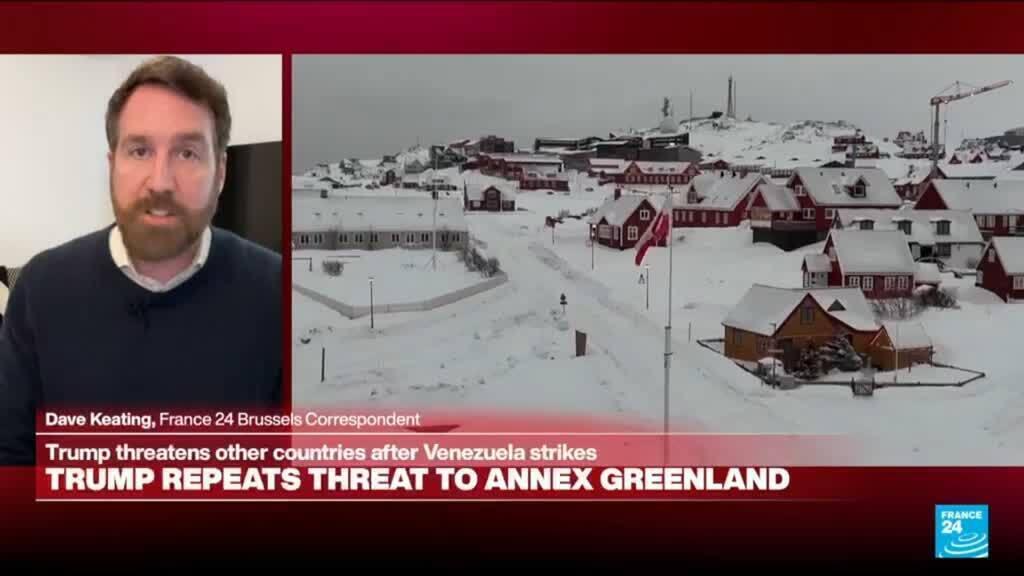
In a recent development that has sent ripples across the Atlantic, Denmark’s Prime Minister issued a stern warning regarding the United States’ potential intentions towards Greenland. As President Trump reiterated his controversial desire to annex this resource-rich territory, the implications of such a move warrant a closer examination.
Historical Context of Transatlantic Relations
The Prime Minister’s assertion that any unilateral action by the U.S. could jeopardize over 80 years of transatlantic security ties is not merely a rhetorical flourish. It highlights the fragile balance of diplomatic relations forged through decades of cooperation and mutual respect.
- Long-standing Alliances: The U.S. and Denmark have a history of collaboration, particularly within NATO frameworks.
- Geopolitical Significance: Greenland’s strategic location and mineral wealth make it a point of interest for global powers.
- Historical Precedents: Previous attempts at territorial acquisition have often led to strained relations and conflict.
The Reaction from the International Community
Interestingly, the response from Europe has been relatively muted. This silence could suggest a mix of disbelief and strategic caution among European nations regarding the U.S.’s intentions.
- Diplomatic Nuance: European leaders might be weighing their responses carefully to avoid escalating tensions.
- Focus on Unity: There is a growing awareness that unity among European nations is crucial in the face of unpredictable U.S. foreign policy.
- Concerns of Militarization: The fear is not just about territory but the militarization that could follow such a move by the U.S.
My Perspective
While President Trump’s comments might be perceived as bluster, they underscore a deeper concern about the shifting geopolitical landscape. The Arctic is becoming a focal point for international competition, and Greenland’s resources are more valuable than ever in a world increasingly focused on energy independence and climate change. However, the path of aggression is fraught with peril.
In conclusion, the potential for conflict over Greenland serves as a reminder of the delicate fabric that weaves together international relations. It is imperative that dialogue prevails over demands, ensuring that the lessons of history guide our actions today.
For those interested in a more detailed account of the situation, I encourage you to read the original news article here.