



EU’s Bold Move on Russian Assets: A Crucial Step for Ukraine
The European Union has embarked on a significant and contentious path by agreeing to indefinitely freeze Russian assets amounting to €210 billion (£185 billion). This decision, rooted in the ongoing consequences of Russia’s invasion of Ukraine, is set against the backdrop of Ukraine’s urgent financial needs and a complex geopolitical landscape.
The Financial Landscape
With the war dragging on for nearly four years, Ukraine finds itself in dire need of funds, requiring an estimated €135.7 billion (£119 billion) over the next two years. The EU aims to provide two-thirds of this amount, primarily by leveraging the frozen Russian assets held predominantly in the Belgian bank Euroclear. However, this plan has not been without its controversies.
Key Points of the EU Plan:
- Frozen Assets: €210 billion in Russian assets will remain immobilized as the EU seeks to utilize these funds to support Ukraine.
- Legal Action from Russia: The Russian Central Bank has initiated legal proceedings against Euroclear, challenging the EU’s plans.
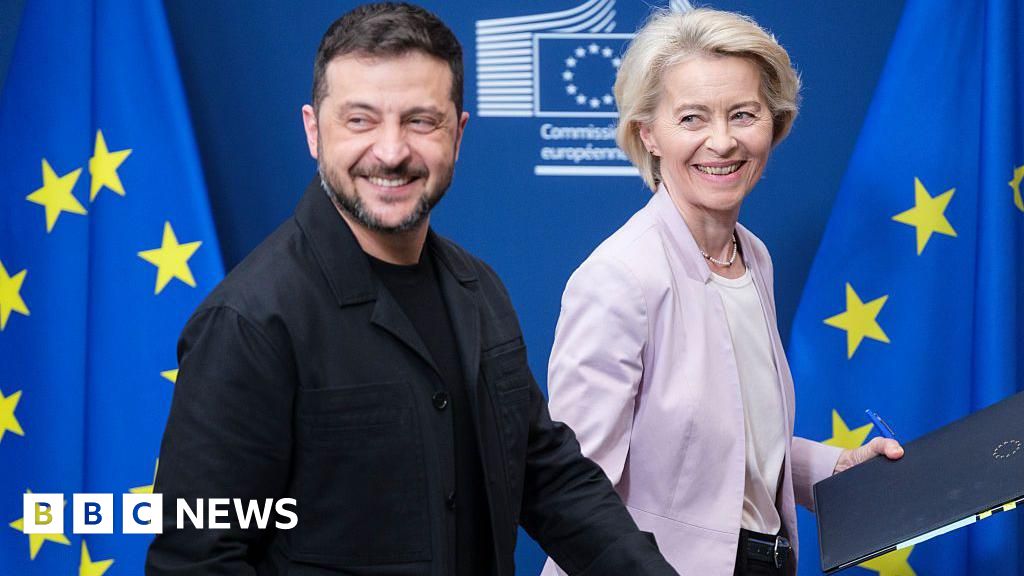
- Ukraine’s Position: President Volodymyr Zelensky asserts that using these assets for reconstruction is not only justified but necessary.
- Concerns from Belgium: Belgian officials express fears of potential financial repercussions and legal complexities should the plan backfire.
Ukraine’s Rationale
Zelensky’s argument centers around fairness; he emphasizes that the destruction caused by the war warrants the use of Russian funds for rebuilding. German Chancellor Friedrich Merz supports this view, highlighting the importance of these assets in bolstering Ukraine’s defense capabilities against future threats from Russia.
Belgium’s Reluctance
Despite being a staunch supporter of Ukraine, Belgium’s Prime Minister Bart De Wever remains cautious. His concerns can be summarized as follows:
- Legal Risks: There are significant worries about the potential fallout if the EU’s plan encounters serious legal challenges.
- Economic Exposure: With Belgium’s GDP at approximately €565 billion, the stakes are high if Belgium were to shoulder a massive financial burden.
- Banking Regulations: Experts warn that the proposed loan from Euroclear could violate existing EU banking regulations, putting financial stability at risk.
Pressure from Within the EU
As the clock ticks down to the crucial EU summit, member states, particularly those bordering Russia, are pushing for swift action. They argue that utilizing the frozen assets is a viable solution to support Ukraine financially. However, the looming question remains: how to balance the immediate needs of Ukraine with the potential long-term implications for EU member states?
The U.S. Factor
Further complicating matters, there are indications that the U.S. may have its own plans for the frozen Russian assets, potentially diverting significant funds for reconstruction efforts. This adds another layer of complexity to the already intricate negotiations among EU members.
Conclusion
As the EU races against time to finalize its plans, the outcome will not only impact Ukraine’s recovery but could also reshape financial relations between Europe and Russia for years to come. The stakes are high, and the need for a cohesive and legally sound approach is paramount. The decisions made in the coming days will undoubtedly reverberate across the continent.
For those looking to explore the original details of this developing story, I encourage you to read the full article here.