



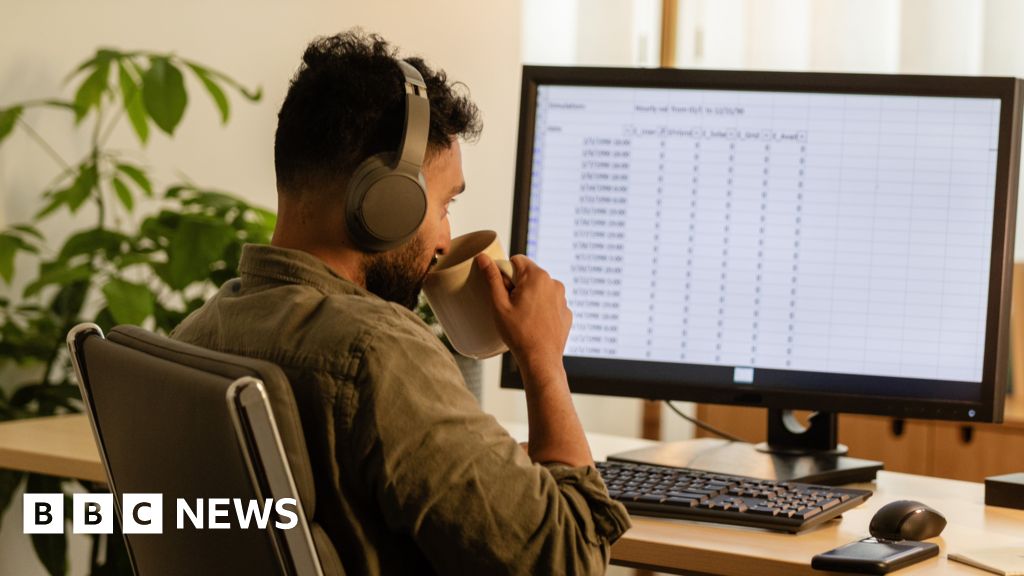
Rethinking Excel: A Double-Edged Sword for Modern Businesses
As we celebrate the 40th anniversary of Excel, it’s clear that this tool has become a staple in the business world. Yet, its omnipresence raises questions about whether it has become more of a hindrance than a help in today’s fast-paced, data-driven environment.
The Ubiquity of Excel
Research from Acuity Training reveals that approximately two-thirds of office workers engage with Excel at least once an hour. This speaks volumes about Excel’s entrenched role in our daily workflows. Tom Wilkie, CTO of Grafana, aptly points out that for quick data analysis, there’s often nothing better than Excel. However, this traditional approach is increasingly clashing with the demands of modern data management and analysis.
The Pitfalls of Over-Reliance
Despite its strengths, Excel presents some significant challenges, particularly in distinguishing data processing from analysis and visualization. Professor Mark Whitehorn from Dundee University highlights a concerning trend: data is often processed through poorly documented spreadsheets, leading to fragile systems that can crumble under pressure. Here are some key issues:
- Inadequate documentation and maintenance of spreadsheets.
- Dependence on macros, which can become obsolete if the original creator is no longer available.
- Lack of centralized data control, complicating data security and integration.
- Critical operations relying on fragile spreadsheets, which can lead to disastrous outcomes.
Recent incidents, such as Health New Zealand’s reliance on Excel for financial management and the chaos in the UK anesthetist recruitment process, underscore these risks. Clearly, there’s an urgent need for organizations to rethink their reliance on spreadsheets.
Transitioning to Better Solutions
Shifting away from Excel is no small feat. Moutie Wali from Telus shares his experience of transitioning staff to a custom planning system, emphasizing the need for a cultural change to ensure that Excel does not coexist with newer applications. This resistance to change is common, as employees often prefer familiar tools over new systems.
However, the benefits of moving beyond Excel are significant:
- Smoother data integration and management.
- Enhanced automation and incorporation of AI capabilities.
- Cost savings, as evidenced by Julian Tanner’s transition to an online accounting package that eliminated the need for a bookkeeper.
- Improved data security and reliability.
Rethinking Data Ownership
One of the underlying issues in the shift away from Excel is the perception of data ownership. Many users feel a sense of control over their spreadsheets, leading to reluctance in adopting centralized systems. Professor Whitehorn’s assertion that “it isn’t your data, it’s the company’s data” highlights the need for a cultural shift in how we view data management.
The Future of Excel in Business
While completely eliminating Excel may not be feasible, it’s crucial for organizations to adapt their practices. The concept of a “boss key” may need to evolve to accommodate the realities of spreadsheet use in the workplace. As we look forward, it’s essential to balance the familiarity and utility of Excel with the need for more robust data management solutions.
For those interested in exploring this topic further, I encourage you to read the original news article for more insights.