



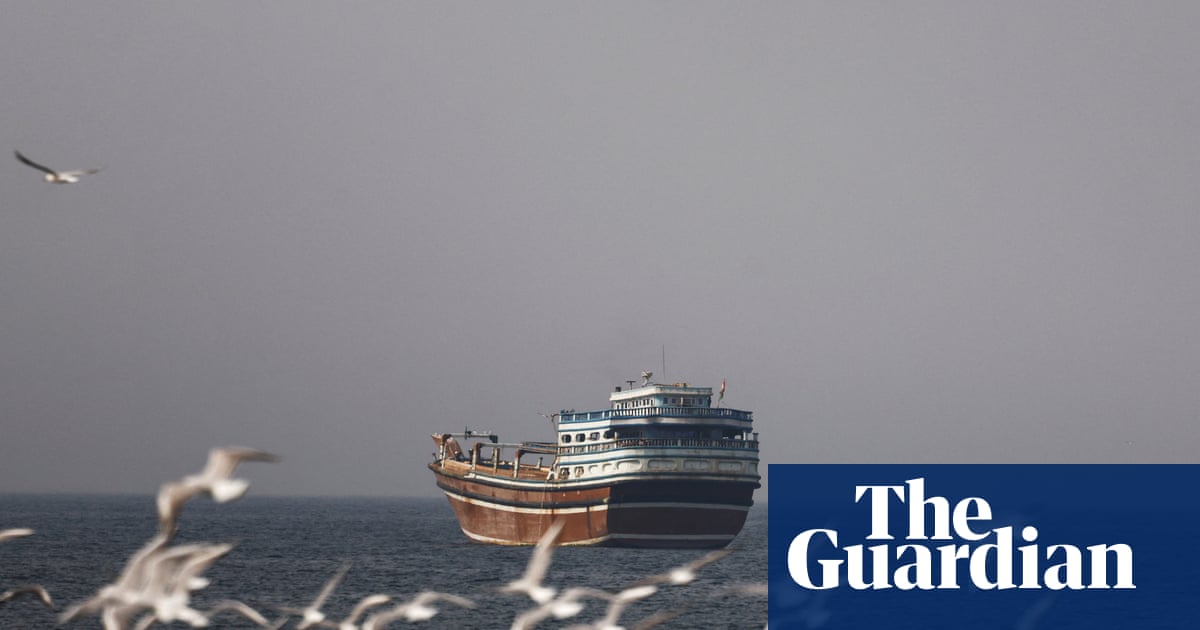
The Escalating Crisis in the Strait of Hormuz: A Call for Maritime Protection
The situation in the Strait of Hormuz has reached a critical juncture, with significant implications for global trade and energy markets. As tensions escalate between Iran and its adversaries, particularly the US and Israel, the Chinese government is stepping in to urge that all vessels traversing this vital waterway be protected. My analysis reveals the gravity of this situation and its potential ripple effects across multiple sectors.
Current Maritime Landscape
Following the recent missile strikes by the US and Israel, maritime traffic through the Strait of Hormuz has effectively ground to a halt. This narrow channel, which connects the Persian Gulf to the Gulf of Oman, is a crucial artery for global trade, accounting for:
- Approximately 20% of global seaborne crude oil
- About 20% of seaborne gas tankers
- One-third of the most widely used fertilizers
As per marine intelligence firm Windward, only seven vessels managed to cross the strait on March 2, marking a staggering 60% drop from the previous day, illustrating the severe disruption to shipping routes.
Implications for Global Energy Markets
The effective closure of the Strait of Hormuz is poised to choke off energy exports not just from Iran, but also from major producers like Saudi Arabia, the UAE, Iraq, and Kuwait. The consequences are profound:
- Increased energy shortages and soaring prices, affecting countries heavily reliant on oil imports.
- India, a significant importer from the Middle East, is particularly vulnerable, alongside other Asian nations like Korea, Thailand, and the Philippines.
Iranian forces have escalated their military actions, allegedly targeting tankers such as the Honduras-flagged Athe Nova with drone strikes, further exacerbating tensions in the region.
Rising Costs and Insurance Concerns
As vessel traffic dwindles, shipping costs are surging. The spot rate for chartering a Very Large Crude Carrier (VLCC) from the Middle East to China has skyrocketed to over $424,000 per day, a fourfold increase compared to recent weeks. This spike in costs reflects the broader instability in the region:
- Leading maritime insurers are withdrawing war risk coverage for vessels operating in the Gulf.
- London’s marine insurance market has expanded the high-risk area to include waters around Bahrain, Djibouti, Kuwait, Oman, and Qatar.
The Broader Impact on Global Trade
Major shipping companies are not only facing increased costs but are also forced to reroute their vessels. Companies such as Maersk and Hapag-Lloyd are now navigating around the Cape of Good Hope, adding time and expenses to their operations. This structural shift indicates a long-term concern rather than a temporary measure:
- Diversions around the Cape surged by 112% on March 2.
- CMA CGM has suspended bookings at several key ports, citing the need to protect crews and cargo under current conditions.
Conclusion: A Critical Moment for Global Stability
The ongoing turmoil in the Strait of Hormuz is more than a regional issue; it has far-reaching implications for global energy supply, shipping costs, and international trade relations. If current conditions persist, the pressure on shipping and energy markets will only intensify, potentially leading to an even more volatile global economic landscape. The call from China for the protection of vessels is a reminder of the urgent need for diplomatic solutions to prevent further escalation.
For a deeper understanding of this critical situation, I encourage you to read the original news article here.