



Catherine Opie’s “To Be Seen”: A Profound Examination of Identity
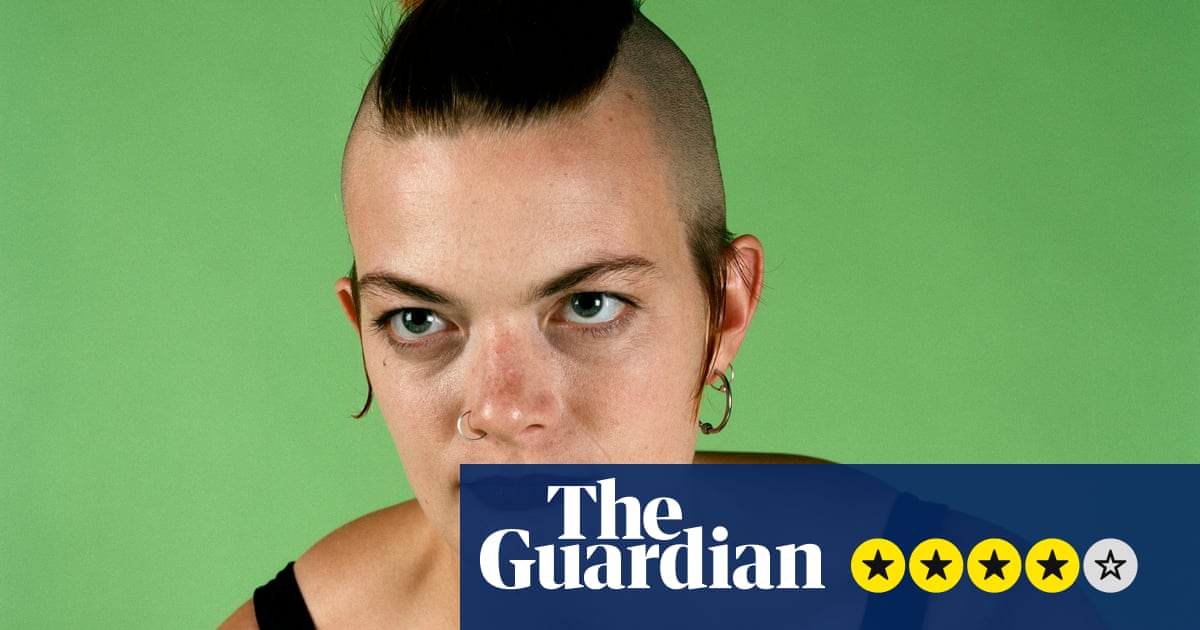
Catherine Opie has accomplished what few artists can: she has created a powerful visual narrative that resonates deeply with the queer community, much like Hans Holbein the Younger did for the Tudor elite. Her latest exhibition at the National Portrait Gallery is a stunning showcase of portraits that embody her relentless commitment to realism and vibrant color. It is a declaration that these individuals, her friends and family, deserve to be seen in all their complexity and beauty.
Transformative Power of Portraiture
Opie’s work transcends mere photography; it is a study in transformation. Her exploration of costume, posture, and role-play invites viewers to consider how identity is constructed. This exhibition celebrates:
- The interplay of masculinity and femininity.
- The significance of body modifications like tattoos and piercings.
- The audacity of her subjects to express their true selves.
In the series Being and Having from 1991, Opie brilliantly captures her friends in their masculine alter egos, donning fake moustaches and exuding a sense of playful confidence. The stark backgrounds and close compositions amplify the vibrancy of their identities, while also hinting at the societal pressures they navigate.
The Impact of Context
While the images are visually engaging, they are underpinned by a poignant historical context. The late 1980s and early 1990s were marked by the devastation of the Aids crisis, a reality that shapes the narratives within Opie’s portraits. This context adds layers of meaning to her work:
- The juxtaposition of youthful exuberance and the somber history of loss.
- Contrasts between the exuberance of high-school footballers and their uncertain adolescence.
- A reflection on the fragility of life, particularly in the queer community.
Art and Identity: A Tension of Forces
Opie’s portraits often depict a tension between opposing forces. For instance, one striking image shows a friend, Raven, chained to a barbed-wire fence, evoking themes of sacrifice and defiance. In contrast, another portrait gently captures Pam in a bathtub, a moment of vulnerability and introspection.
This duality is particularly evident in two self-portraits that face each other in the gallery. Self-Portrait/Cutting (1993) reveals the scars of Opie’s past, while Self-Portrait/Nursing (2004) depicts a tender moment with her son. These works encapsulate her struggle between rebellion and domesticity, illustrating that both aspects of her identity coexist harmoniously.
A Journey Through Opie’s Lens
The exhibition unfolds across intimate rooms, each offering a close encounter with Opie’s work. From a semi-abstract landscape reflecting the Brexit referendum to heartwarming portraits of families, the breadth of her practice is on full display:
- Documentary-style images of protests highlight the ongoing fight for justice.
- Captivating moments of her son in playful attire remind us of the innocence worth protecting.
- Each piece serves as a reminder of the importance of family and community in a world that often feels hostile.
In conclusion, Catherine Opie’s “To Be Seen” is a powerful reminder of the beauty and complexity of identity. It challenges viewers to reflect on their own perceptions and the societal narratives that shape us. This exhibition is not just about visibility; it is about the necessity of being seen and understood in a world that often overlooks the nuances of individual experiences.