



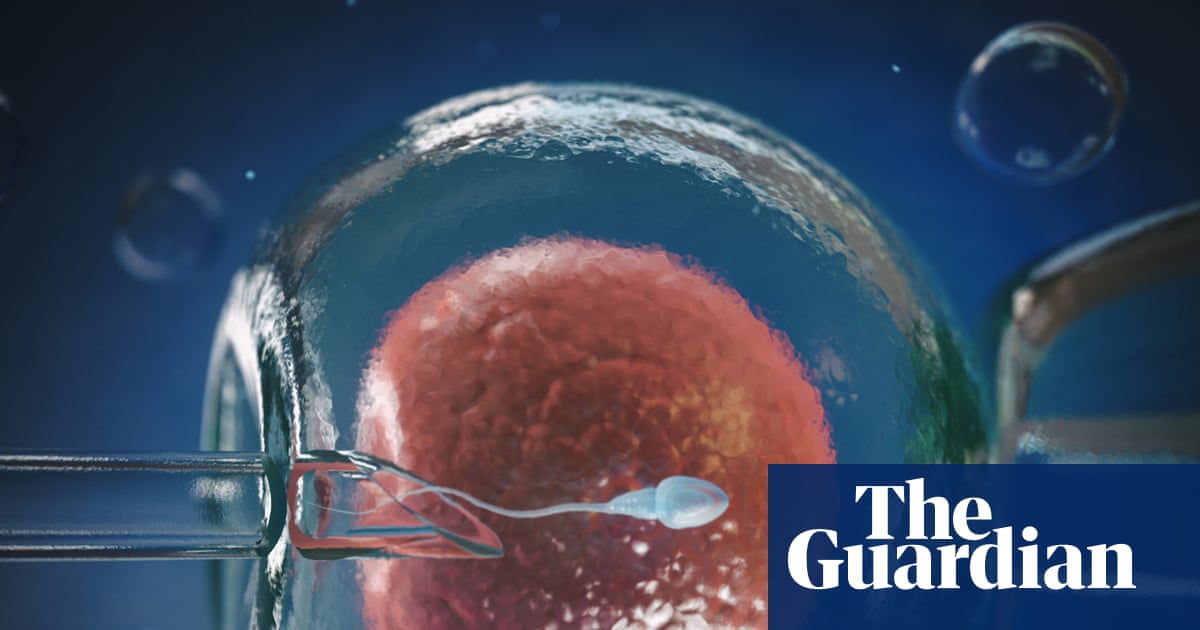
Groundbreaking Advances in IVF: A New Hope for Women Over 35
As we delve into the complexities of in vitro fertilization (IVF), it becomes clear that the emotional journey is often a rollercoaster ride. For many women, especially those over the age of 35, the peaks of hope and joy can swiftly plunge into the valleys of despair. This is a reality that many can relate to, as the chances of successful IVF treatments diminish with age.
Current Challenges in IVF
Despite the remarkable strides made in IVF over the years—such as genetic testing, egg freezing, and new techniques addressing male infertility—the core issue of age-related female infertility remains largely unaddressed. The quality of eggs, which deteriorates as women age, is a significant hurdle that has yet to be effectively tackled.
Promising Research Unveiled
However, recent research presented at the Fertility 2026 conference in Edinburgh has unveiled a beacon of hope. A team of scientists from a leading lab in Germany claims to have made a breakthrough in reversing a common age-related defect in eggs, a development that could potentially transform IVF success rates.
Understanding the Egg Aging Process
Dr. Agata Zielinska, co-CEO of Ovo Labs and one of the researchers behind this advance, emphasizes the significant unmet need for methods to improve aging eggs. Currently, women are born with all the eggs they will ever have, making them particularly susceptible to the effects of aging, unlike sperm which is continuously produced.
Key Findings from the Research
The findings suggest that:
- Women under 35 experience an average birth rate of 35% per embryo transferred compared to just 5% for women aged 43-44.
- The age of the egg is a more critical factor for IVF success than the age of the woman.
- As eggs age, they show a decrease in Shugoshin 1, a protein vital for maintaining chromosome integrity.
- Supplementing aging eggs with Shugoshin 1 could substantially reduce chromosome defects.
Future Implications
While the research is still in its experimental stages, the potential for a rejuvenating microinjection could change the IVF landscape significantly. Dr. Zielinska expresses optimism that this innovation could decrease the time it takes for women to achieve successful conception within a single IVF attempt.
Proceed with Caution
Nonetheless, it is important to remain cautious. The scientific community is well aware of the tendency to overhype new IVF techniques. The team at Ovo Labs has yet to demonstrate the long-term safety and effectiveness of their proposed methods. Time will tell whether this breakthrough can genuinely translate into improved IVF rates.
A Ray of Hope
As we await further clinical trials and validation of these findings, there is a palpable sense of hope. This research could signify a crucial step in addressing one of the primary causes of female infertility, alleviating some of the emotional burdens that accompany the IVF journey. Dr. Richard Anderson, head of obstetrics and gynecology at the University of Edinburgh, reinforces the potential impact of these results on future IVF success rates.
In a world where many face the arduous path of IVF, the hope that such advancements can lead to successful outcomes is profoundly encouraging. As Dr. Schuh aptly put it, the aim is to make the IVF experience less painful and more successful for countless women.
For a deeper dive into the original research and its implications, I encourage you to read the full article here.