



Ethical Concerns Surrounding the Puberty Blockers Trial
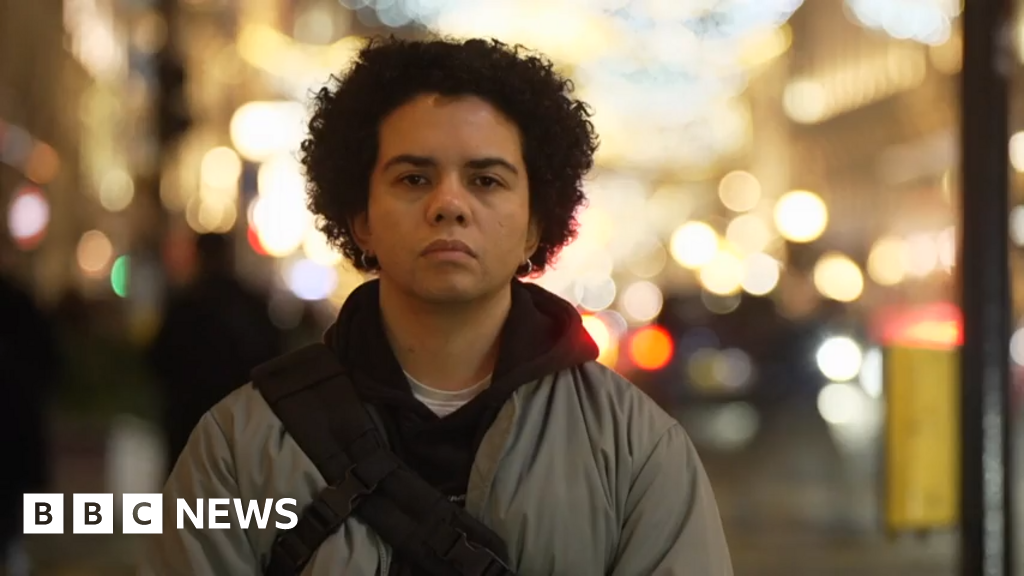
As we delve into the ongoing discussions about the planned clinical trial of puberty blocking drugs for children questioning their gender identity, it becomes crucial to analyze the ethical implications and practical ramifications of such a study. The recent statements from campaigner Keira Bell highlight a deep-seated concern regarding the potential harm to young participants.
Key Insights from Keira Bell’s Perspective
Keira Bell’s assertions that the trial is unethical raise important questions about the safety and transparency of the research. Below are some critical points from her argument:
- Potential Harm to Children: Bell argues that participating in the trial could lead to significant harm for children, jeopardizing their fertility and sexual function.
- Informed Consent Issues: She questions whether children, some as young as those unable to open a bank account, can truly give informed consent regarding such impactful medical decisions.
- Personal Regret: Bell’s own experience with puberty blockers has left her feeling “extremely angry,” as she believes she was not adequately challenged about her choices at the Tavistock Gender Identity Clinic.
The Clinical Trial: A Double-Edged Sword
The Pathways trial, led by researchers from King’s College London, aims to fill the evidence gap surrounding the use of puberty blockers. However, the ethical debate it has sparked cannot be ignored.
- Regulatory Approval: The UK medicines’ regulator has approved the trial, citing rigorous scientific and ethical standards. Yet, this approval does not quell the concerns raised by critics.
- Need for Evidence: The government asserts that the trial will provide much-needed data on the risks and benefits of puberty blockers, a claim that has been met with skepticism by some stakeholders.
- Safeguards in Place: Proponents of the trial emphasize that multiple safeguards, including parental and clinical approval, are established to protect participants.
Looking Ahead: The Implications of the Trial
The implications of this trial extend beyond the immediate health concerns. They touch on broader societal issues related to gender identity and the treatment of young people in healthcare settings. Here are some points to consider:
- Future of Gender-Affirming Care: The outcome of this trial could redefine how gender-affirming care is approached in the UK, influencing policies and practices for years to come.
- Public Sentiment: As the trial progresses, public opinion will likely play a significant role in shaping its future. The voices of those who have experienced these treatments should not be overlooked.
- Need for Comprehensive Follow-ups: Bell’s call for follow-up studies with individuals who have undergone similar treatments emphasizes the importance of ongoing research in this sensitive area.
Conclusion
The ethical landscape surrounding the Pathways trial is fraught with challenges. While the need for evidence-based treatment in gender incongruence is undeniable, the potential risks and the voices of those directly affected must be at the forefront of this discussion. As we navigate this complex issue, it is crucial to strike a balance between advancing medical knowledge and ensuring the safety and wellbeing of our youth.
For more detailed coverage and to read the original news article, click here.