



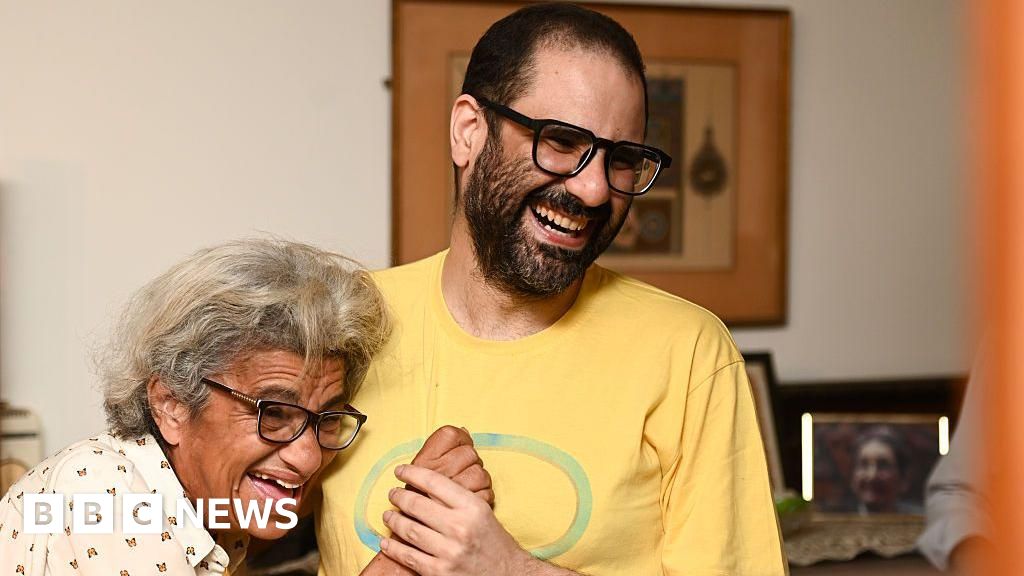
Alaa Abd El Fattah: A Return Shrouded in Controversy
The recent return of British-Egyptian activist Alaa Abd El Fattah to the UK after 12 years in Egyptian custody has ignited a political firestorm. This case is layered with complexities that demand a nuanced examination of the implications for both domestic politics and international relations.
The Context of His Return
Mr. Abd El Fattah’s release from prison, where human rights organizations claimed he was unjustly detained, was initially met with relief and celebration. However, the situation quickly soured as resurfaced social media posts from his past emerged, revealing deeply troubling sentiments.
Political Reactions and Criticisms
The Prime Minister welcomed Abd El Fattah back but faced backlash as old tweets came to light in which he expressed violent sentiments towards police officers and Zionists. This has led to a significant reevaluation of how the government handles such cases:
- Sir Keir Starmer, leader of the Labour Party, stated he was unaware of these posts, labeling them as “absolutely abhorrent.”
- Foreign Secretary Yvette Cooper has initiated a review to understand the lapses in awareness regarding Abd El Fattah’s previous statements.
Apology and Backlash
In a statement, Abd El Fattah expressed his regret for the offensive posts, framing them as “expressions of a young man’s anger.” However, the sincerity of this apology is now under scrutiny:
- Shortly after his apology, he liked a Facebook post suggesting he was the victim of a “smear campaign.” This has raised eyebrows about his actual sentiments.
- Critics, including Shadow Justice Secretary Robert Jenrick, argue that these actions indicate a lack of genuine contrition.
Implications for UK Policy
The controversy surrounding Abd El Fattah has sparked calls from certain political factions, including the Conservatives and Reform UK, to revoke his British citizenship. While the Home Secretary possesses the authority to strip citizenship from dual nationals deemed a threat to public safety, the situation is far from straightforward:
- Historically, such actions have been reserved for cases involving terrorism or serious organized crime.
- Downing Street reportedly believes the threshold for revocation has not been met in this case.
- Any potential move to revoke citizenship would likely face significant legal challenges.
Conclusion: A Complex Landscape Ahead
Alaa Abd El Fattah’s return to the UK serves as a potent reminder of the intertwining of human rights issues and national security concerns. As he navigates his newfound freedom, the political ramifications of his past statements and actions will undoubtedly continue to resonate across the UK’s political landscape. The government’s response to this situation will be critical not only for Abd El Fattah but also for the broader implications on civil liberties and the treatment of activists.
For further details and to explore the original reporting on this issue, please read the original news article.