

Close Menu
Mirror Brief

    Subscribe to Updates

    Get the latest creative news from FooBar about art, design and business.

    What's Hot

    Uncommon Giant Phantom Jellyfish Discovered in Argentina’s Deep Seas

    February 6, 2026

    Amazon Stock Plummets Amid Big Tech’s AI Investment Surge

    February 6, 2026

    Norway Probes Ex-PM Jagland Regarding Suspected Connections to Epstein

    February 6, 2026
    Facebook X (Twitter) Instagram
    Mirror BriefMirror Brief
    Trending
    • Uncommon Giant Phantom Jellyfish Discovered in Argentina’s Deep Seas
    • Amazon Stock Plummets Amid Big Tech’s AI Investment Surge
    • Norway Probes Ex-PM Jagland Regarding Suspected Connections to Epstein
    • Men’s College Basketball Power Rankings: Will the Top Five Endure This Week?
    • Almost 60,000 Individuals Departed the UK Since the 2024 Election, According to Home Office
    • Exploring 75 Low- and No-Alcohol Beverages: My Top Picks for Beers, Wines, and Spirits
    • Five Protein-Packed Vegetarian Snacks Recommended by a Dietitian
    • US News Anchor Savannah Guthrie Appeals for the Return of Her Abducted Mother
    Friday, February 6
    • Home
    • Business
    • Health
    • Lifestyle
    • Politics
    • Science
    • Sports
    • World
    • Travel
    • Technology
    • Entertainment
    Mirror Brief
    Home»Science»Study Reveals Human-Made Materials Constitute Nearly Half of UK Beaches
    Science

    Study Reveals Human-Made Materials Constitute Nearly Half of UK Beaches

    By Li WeiFebruary 3, 2026No Comments3 Mins Read
    Share Facebook Twitter Pinterest LinkedIn Tumblr Reddit Telegram Email
    Study Reveals Human-Made Materials Constitute Nearly Half of UK Beaches
    Share
    Facebook Twitter LinkedIn Pinterest Email

    The Surprising Composition of British Beaches: A Closer Look at Human Impact

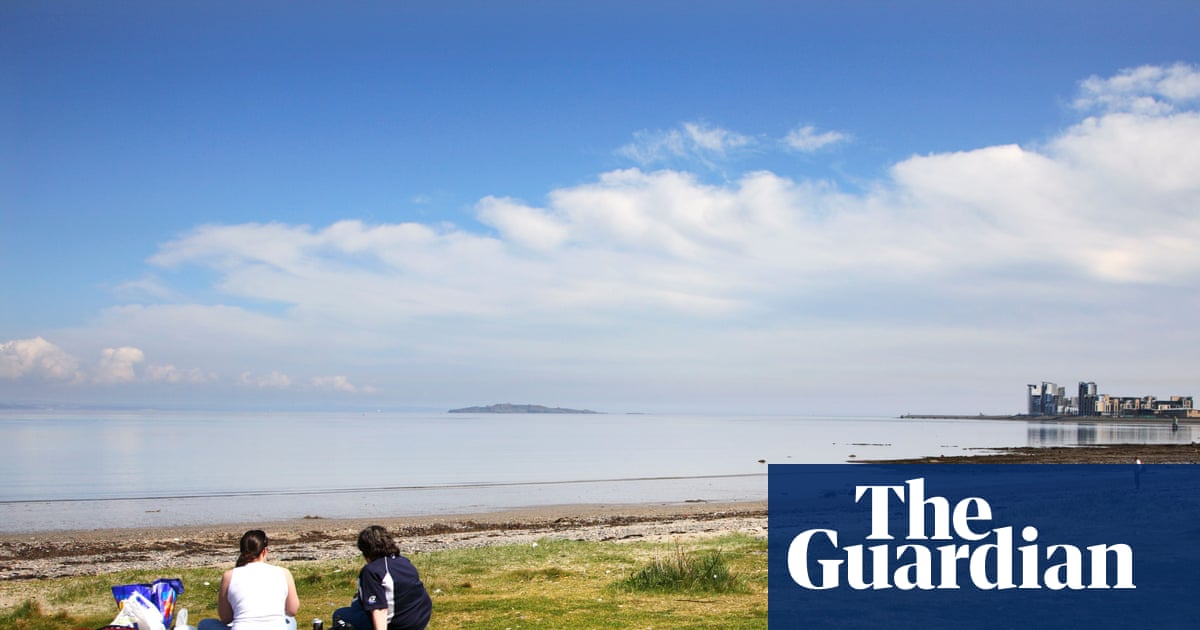
    Recent research reveals a disconcerting truth about some of Britain’s beaches: up to 50% of coarse sediments on these shores are made up of human-made materials. This finding, stemming from a study conducted along the Firth of Forth in Scotland, highlights the profound impact of climate change and human activity on our coastal environments.

    Understanding the Study’s Findings

    The study, which involved extensive fieldwork at six locations, including Torryburn and Granton, employed meticulous methods to assess the sediment composition on these beaches. The results are striking:

    • At Granton beach near Edinburgh, researchers uncovered that nearly half of the coarse sediments originated from human-made materials such as brick, concrete, and industrial waste.
    • The erosion of coastal industrial sites and improper waste disposal are primary contributors to this alarming trend.

    This issue extends beyond Scotland. For instance, Crosby beach in Merseyside is characterized by a significant presence of waste from historical collieries and remnants from World War II. Similarly, the Thames estuary showcases a concerning amount of anthropogenic materials, often humorously referred to as “Thames potatoes” due to the weathered bricks found there.

    Broader Implications of Coastal Changes

    Professor Larissa Naylor from the University of Glasgow, who co-authored the study, emphasizes that beaches are dynamic environments constantly shaped by various forces. She pointed out an urgent need for further research in urban coastal areas, which is essential for adapting coastal management strategies. As she aptly stated, “Research like this casts a new light on how human activity is affecting the natural world.”

    Across the beaches surveyed, an average of 22% of coarse sediments were classified as “anthropogenic geomaterial,” leading researchers to propose a new scientific category: “anthropogenic sand and gravel” beaches. This classification underscores the necessity for a reevaluation of how we view and manage our coastlines.

    The Future of Coastal Ecosystems

    The ongoing impacts of climate change, particularly the increase in coastal erosion, could lead to unpredictable alterations in ecosystems. As we witness these transformations, it is crucial to consider:

    • The potential consequences for local wildlife and habitats.
    • The need for sustainable practices to mitigate further degradation.
    • The importance of public awareness regarding human contributions to coastal pollution.

    In summary, the findings from this study should serve as a wake-up call. They compel us to reflect on our relationship with the environment and the tangible effects of our actions on natural landscapes. As more research unfolds, it is imperative that we engage in discussions about responsible coastal management and ecological preservation.

    For those interested in exploring this topic further, I encourage you to read the original news article at the source: The Guardian.

    Share. Facebook Twitter Pinterest LinkedIn Tumblr Email
    Previous ArticleFrench Probe Launched into Child Abuse Images on Elon Musk’s X Platform
    Next Article EU Commissioner Expresses Openness to UK Customs Union Discussion
    Li Wei

    Li Wei is a science and innovation reporter at Mirror Brief, covering space, biotech, and scientific breakthroughs for seven years. She explains technical advances without the fluff.

    Related Posts

    Science

    Uncommon Giant Phantom Jellyfish Discovered in Argentina’s Deep Seas

    February 6, 2026
    Science

    Understanding Critical Minerals and Their Importance to Nations

    February 5, 2026
    Science

    Unpleasant Scents Abound: Exploring the Absence of Verbs for Pleasant Aromas

    February 5, 2026
    Medium Rectangle Ad
    Science

    Uncommon Giant Phantom Jellyfish Discovered in Argentina’s Deep Seas

    Li WeiFebruary 6, 2026

    Rare Giant Phantom Jelly Spotted in Deep Waters Near Argentina Rare Giant Phantom Jelly Spotted…

    Amazon Stock Plummets Amid Big Tech’s AI Investment Surge

    February 6, 2026

    Norway Probes Ex-PM Jagland Regarding Suspected Connections to Epstein

    February 6, 2026

    Men’s College Basketball Power Rankings: Will the Top Five Endure This Week?

    February 5, 2026
    Blog Posts

    Uncommon Giant Phantom Jellyfish Discovered in Argentina’s Deep Seas

    February 6, 2026

    Amazon Stock Plummets Amid Big Tech’s AI Investment Surge

    February 6, 2026

    Norway Probes Ex-PM Jagland Regarding Suspected Connections to Epstein

    February 6, 2026

    Men’s College Basketball Power Rankings: Will the Top Five Endure This Week?

    February 5, 2026

    Subscribe to Updates

    Get the latest creative news from FooBar about art, design and business.

    Medium Rectangle Ad
    About Us

    Welcome to Mirror Brief — your trusted lens into the stories shaping our world. From breaking news to in-depth analysis, we bring clarity, context, and perspective across a wide spectrum of global topics. Our mission is simple: to keep you informed, engaged, and inspired with reporting that’s accurate, timely, and thought-provoking.

    Top Picks

    Uncommon Giant Phantom Jellyfish Discovered in Argentina’s Deep Seas

    February 6, 2026

    Amazon Stock Plummets Amid Big Tech’s AI Investment Surge

    February 6, 2026
    Recent Posts
    • Uncommon Giant Phantom Jellyfish Discovered in Argentina’s Deep Seas
    • Amazon Stock Plummets Amid Big Tech’s AI Investment Surge
    • Norway Probes Ex-PM Jagland Regarding Suspected Connections to Epstein
    • Men’s College Basketball Power Rankings: Will the Top Five Endure This Week?
    • About Us
    • Disclaimer
    • Get In Touch
    • Privacy Policy
    • Terms and Conditions
    © 2025 Mirror Brief. All rights reserved.

    Type above and press Enter to search. Press Esc to cancel.