



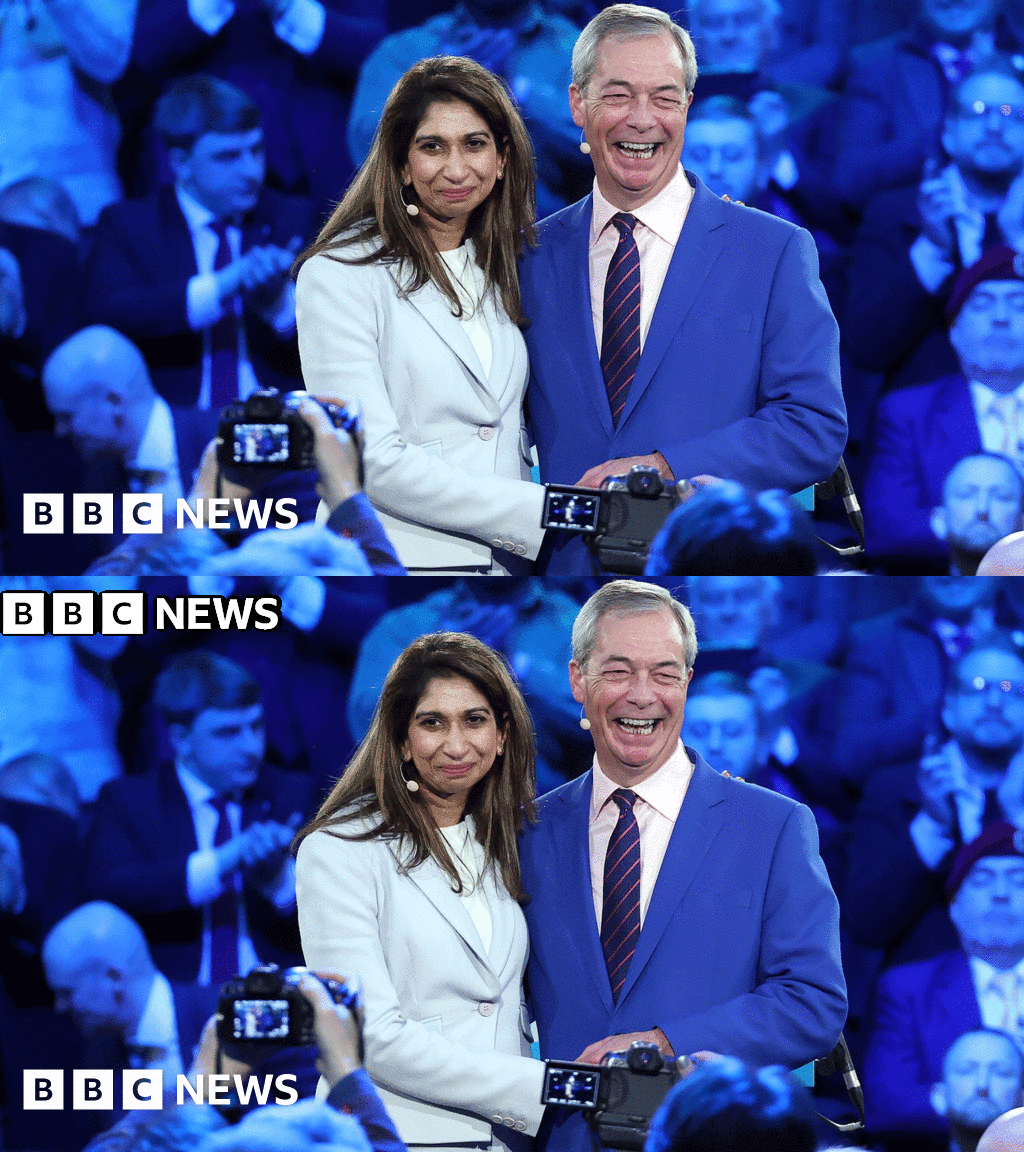
Suella Braverman Joins Reform UK: A Shift in the Political Landscape
Today, we witness another significant political shift as former Home Secretary Suella Braverman has officially defected from the Conservative Party to join Reform UK. This move is emblematic of the growing discontent among Conservative MPs, and it raises pressing questions about the future of the party and the broader political landscape in the UK.
The Context of Defection
Braverman’s defection marks a pivotal moment, being the third Tory MP to leave the party in just eleven days. With this move, Reform UK’s roster swells to eight MPs, signifying a potential consolidation of right-leaning politics under Nigel Farage’s banner.
In her statement, Braverman expressed feelings of being “politically homeless” for the past two years, a sentiment that resonates with many who feel disconnected from the current direction of the Conservative Party. Her criticisms are pointed:
- Brexit Failures: Braverman believes the Conservatives have not delivered on their promises regarding Brexit.
- Immigration Concerns: She highlights what she describes as “out-of-control immigration” policies.
- Taxation Issues: High taxes have become a sticking point for her and others in the party.
Reactions from the Conservative Party
The Conservative Party’s response to her departure has been somewhat dismissive, reflecting a deeper rift within the ranks. A party spokesperson mentioned it was “always a matter of when, not if” Braverman would leave, implying a long-anticipated split.
Moreover, the party’s initial comments about Braverman’s mental health prompted backlash, leading to a retraction. This incident illustrates the internal chaos and mismanagement within the Conservative Party.
Braverman herself dismissed the remarks regarding her mental health as “pathetic,” further evidencing the bitterness that has taken root. Former Conservative MP Sir Jacob Rees-Mogg condemned the party for making such remarks, calling for accountability.
The Future of Reform UK
As Braverman joins Reform UK, it’s essential to analyze the implications this has for the party. Nigel Farage has indicated that the influx of former Conservatives is strategic, citing the need for experienced politicians who can navigate the complexities of current political issues.
Braverman’s defection is not an isolated incident; approximately 20 former Tory MPs have made the switch since the last general election, including notable figures like Nadhim Zahawi and Nadine Dorries. This trend could signify a broader realignment within British politics, particularly on the right.
Political Ramifications
With Braverman’s extensive background as attorney general and her brief tenure as home secretary, her move could influence the dynamics of both the Conservative Party and Reform UK. Several points warrant attention:
- Impact on the Conservative Party: The departure of right-wing MPs like Braverman and others may weaken the party’s stance and alienate its base.
- Reform UK’s Growing Influence: The consolidation of experienced politicians under Reform UK may pose a serious challenge to the Conservatives in upcoming elections.
- Public Perception: As the public becomes more aware of these defections, the perception of the Conservative Party may continue to decline, affecting voter loyalty.
In conclusion, Suella Braverman’s decision to leave the Conservative Party and join Reform UK is not merely a personal journey; it reflects broader trends within British politics. The Conservative Party must grapple with these changes if it hopes to regain its footing. As we move forward, it will be crucial to watch how these political dynamics evolve.
For further details, I encourage you to read the original news article here.