



Nasa’s Artemis II Mission: A Leap into the Future of Space Exploration
Nasa is on the brink of a significant milestone with the upcoming Artemis II mission, set to launch from Kennedy Space Center in Florida on February 6, 2024. This mission isn’t just a routine flight; it represents a monumental step in human spaceflight, reminiscent of the historic Apollo missions that took place over half a century ago.
The Mission Overview
Artemis II aims to send a crew of astronauts on a 685,000-mile journey around the moon, marking the first time since Apollo 17 in 1972 that humans will be traveling to this celestial body. The mission will last about 10 days, culminating in a splashdown in the Pacific Ocean.
- Rocket and Capsule: The Space Launch System (SLS) rocket, accompanied by the Orion capsule, stands nearly 100 meters tall and is equipped with enough liquid propellant to fill an Olympic-sized swimming pool.
- Thrust Capabilities: The SLS rocket can achieve speeds of up to 24,500 mph, providing the necessary thrust for the journey to the moon.
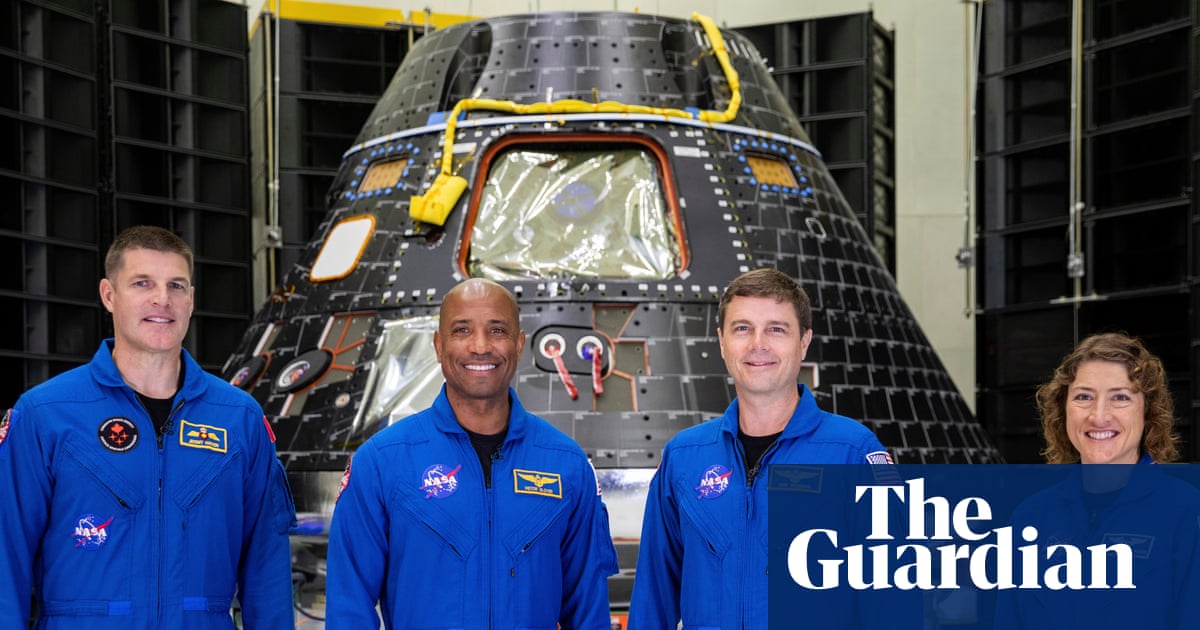
- Astronaut Crew: The crew includes seasoned astronauts Reid Wiseman, Victor Glover, and Christina Koch, alongside first-time flyer Jeremy Hansen from Canada.
Historical Significance
As Jared Isaacman, the newly appointed Nasa administrator, aptly put it, this mission is “probably one of the most important human spaceflight missions in the last half-century.” The significance of this mission extends beyond mere exploration; it serves as a foundation for future lunar and Martian endeavors.
- Cultural Milestones: Christina Koch will be the first woman, and Victor Glover the first person of color, to travel beyond low Earth orbit.
- Future Missions: Artemis II paves the way for Artemis III, which aims to land astronauts on the lunar south pole as early as next year.
The Space Race Dynamics
The return to the moon has ignited discussions about a new space race, particularly between the United States and China, which plans to establish its own lunar presence by 2030. Statements from former Nasa officials reinforce the urgency of this competition, as the stakes in space exploration continue to rise.
Preparations and Challenges Ahead
The rollout of the SLS rocket is set to begin with Nasa’s crawler-transporter 2 transporting the massive vehicle from the assembly building to the launchpad. This four-mile journey could take up to 12 hours, highlighting the scale of the operation.
- Preflight Checklist: Following the rollout, a series of preflight checks will be conducted, including a wet dress rehearsal to load over 700,000 gallons of propellant.
- Technical Hurdles: Recent issues, such as a bent cable and leaks, underscore the complexities and challenges inherent in preparing for such a monumental mission.
Looking Forward
As the countdown to launch approaches, excitement is palpable. The mission will involve manual flying of the Orion capsule, allowing the crew to test emergency procedures and the spacecraft’s capabilities. Despite the meticulous preparations, unexpected challenges may arise, echoing the unpredictable nature of space travel.
More than five decades after humanity’s last visit to the moon, Artemis II represents not only a return to lunar exploration but also a renewed hope for future human endeavors in space. Each rocket launch is fraught with tension, yet the confidence in Nasa’s readiness is reassuring.
As we anticipate this historic mission, it’s clear: we are on the brink of a new era in space exploration. For those eager to delve deeper into the details, I encourage you to read the original news article.