



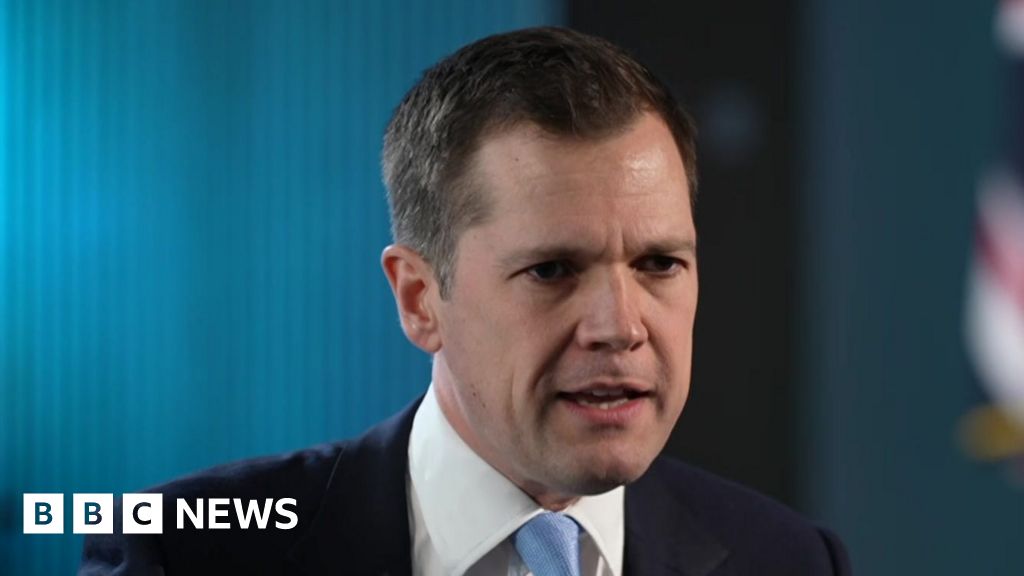
Analysis of Robert Jenrick’s Defection to Reform UK
The recent political upheaval in the UK has taken a significant turn with Robert Jenrick’s defection from the Conservative Party to Reform UK. This move has stirred considerable debate within the political landscape, raising questions about the future of both parties involved.
Jenrick’s Statement: A Call for Unity on the Right
In his first interview after joining Nigel Farage’s Reform UK, Jenrick emphasized that his decision was not driven by personal ambition but rather a desire to “unite the right.” He argues that Reform UK represents the last opportunity to address what he describes as a “broken” country. This declaration reflects his belief that the current political framework is inadequate and in need of radical change.
Key Takeaways from Jenrick’s Defection
- Personal Ambition vs. Political Ideals: Jenrick insists that he has set aside personal ambitions to align with a leader he respects—Nigel Farage. However, skepticism remains regarding whether this move is genuinely altruistic or a strategic retreat from a dwindling position within the Conservative Party.
- Party Dynamics: Kemi Badenoch, the Conservative leader, has asserted the party’s increased strength post-Jenrick’s departure, labeling him as “not a team player.” This highlights internal tensions and differing visions for the party’s future.
- Calls for Collaboration: Some senior Conservatives advocate for a partnership with Reform UK to consolidate right-wing votes, a notion swiftly dismissed by both Farage and Badenoch. This refusal indicates a clear intent to maintain distinct party identities, even at the risk of fragmenting the right-wing voter base.
Critique of Jenrick’s Claims
Jenrick’s assertions about the need for new leadership and his criticisms of the Conservative Party as being controlled by “arsonists” suggest a deep-seated discontent with his former colleagues. Yet, this raises a critical question: how does one reconcile a past in a party with a future in a new one?
Critics are quick to point out the irony of Jenrick’s claims. After all, he was part of the government that, according to many, contributed to the current state of affairs he now condemns:
- Historical Responsibility: Labour officials and other opponents, such as Liberal Democrat leader Sir Ed Davey, argue that Jenrick, like Farage, played a role in creating the very issues he now seeks to address.
- Internal Struggles: The recent shadow cabinet discussion about whether Britain is “broken” illustrates a party grappling with its identity and past failures, a point Jenrick himself highlighted as a catalyst for his departure.
Looking Ahead: Implications for the Conservative Party and Reform UK
The ramifications of Jenrick’s defection could be far-reaching. For Reform UK, gaining a sitting MP bolsters their credibility, but risks accusations of merely replicating the Conservative framework they purportedly oppose. Meanwhile, the Conservatives must navigate the potential fallout of further defections and internal dissent.
As we observe these developments, the political landscape remains fluid. The dynamics between these parties will undoubtedly evolve, particularly in the lead-up to the next general election. The call for unity on the right will be tested against the backdrop of personal ambitions and party loyalties.
For those interested in a deeper understanding of the events surrounding Jenrick’s defection, I encourage you to read the original news article here.