



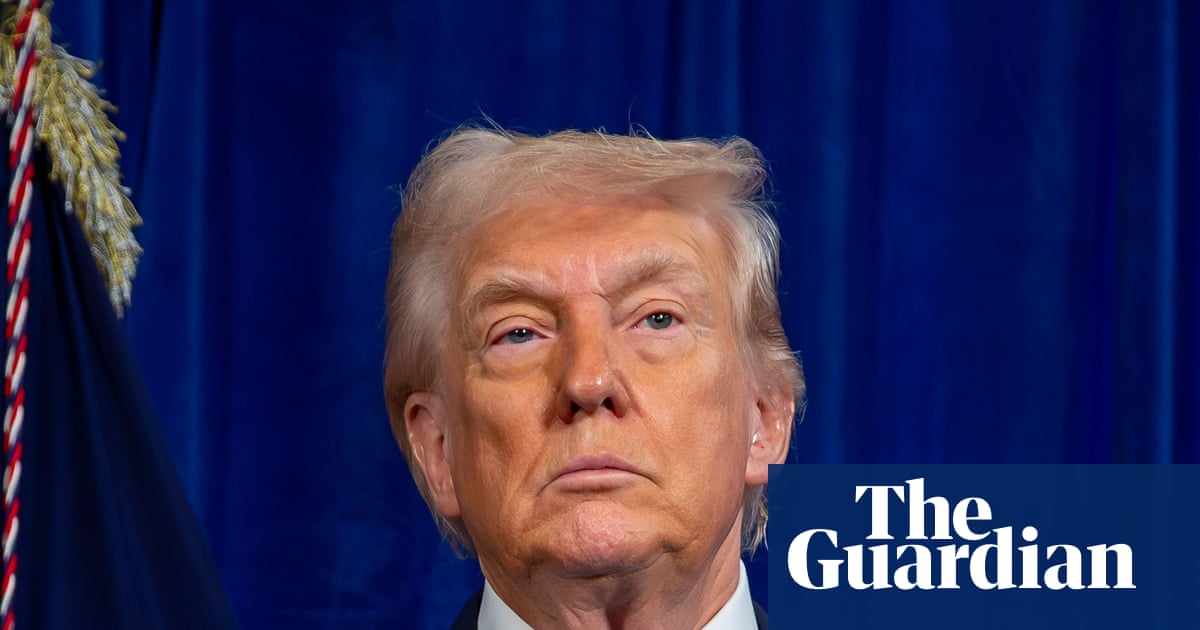
Unfolding Events in Venezuela: A Global Perspective
The recent developments surrounding the United States’ military intervention in Venezuela have sent shockwaves throughout the international community. With President Trump declaring that the U.S. will take charge until a “safe, proper and judicious transition” can occur, the implications of such an assertive stance raise numerous questions about sovereignty, legality, and the future of Venezuelan governance.
UK’s Ambiguous Stance
In light of these events, UK Chief Secretary to the Prime Minister, Darren Jones, expressed uncertainty about the ramifications of U.S. actions, stating that the UK is “not entirely clear” on what it means for the U.S. to assert control over Venezuela. This caution reflects a broader apprehension regarding the potential for colonial overtones in Trump’s remarks.
- Jones emphasized a preference for a peaceful transition of power that aligns with the will of the Venezuelan people.
- He indicated that the UK would refrain from weighing in on Venezuelan governmental matters, urging a swift transition instead.
- Jones reiterated that the UK was not involved in the planning of the U.S. strike, distancing the government from any direct responsibility.
Trump’s Justification and International Reactions
Trump’s justification for the intervention hinges on the assertion that Maduro’s regime lacks legitimacy. However, this bold move has drawn criticism from various quarters regarding its legality under international law.
- Keir Starmer, the leader of the UK Labour Party, called for a direct discussion with Trump before forming an opinion on the U.S. actions, reflecting a cautious approach.
- Critics like Ed Davey of the Liberal Democrats argue that Starmer’s hesitance may embolden Trump to pursue further hostile actions against other nations.
- International leaders, including Greenland’s Prime Minister, have condemned Trump’s rhetoric regarding territory, calling for respect for national sovereignty.
Legal and Ethical Considerations
The legality of the U.S. intervention is under scrutiny. Legal expert Philippe Sands KC highlighted that the actions taken cannot be justified as lawful, drawing parallels to past conflicts that have resulted in humanitarian crises.
- Critics emphasize the need for adherence to international law, a sentiment echoed by Sands when he remarked on the lessons from the Iraq War.
- There are concerns that without a clear plan for governance post-intervention, Venezuela could face a power vacuum akin to those seen in Iraq and Libya.
Looking Ahead
The unfolding situation in Venezuela poses a significant challenge not only for U.S. foreign policy but also for the international community at large. The need for a united front against unilateral military interventions is more pressing than ever. As we watch these events unfold, one must ponder: What will it take for the global community to prioritize diplomatic solutions over military action?
As this situation develops, I urge readers to stay informed and consider the broader implications of these actions on global stability and international law.
For further details, please read the original news article here.