



Renewable Energy Milestones in Great Britain: A Closer Look
The latest findings from the National Energy System Operator (Neso) reveal a remarkable achievement for renewable energy in Great Britain. In 2025, the country recorded its highest-ever electricity generation from renewable sources, marking a significant step forward in the fight against climate change.
Record-Breaking Year for Renewables
According to the analysis, renewable energy sources generated more than 127 terawatt hours (TWh) of electricity in Great Britain, surpassing the previous high of 119 TWh set in 2024. This growth can be attributed to a combination of factors including:
- Wind Power: Constituted the largest share of renewable generation, contributing over 85 TWh, nearly 30% of the total electricity.
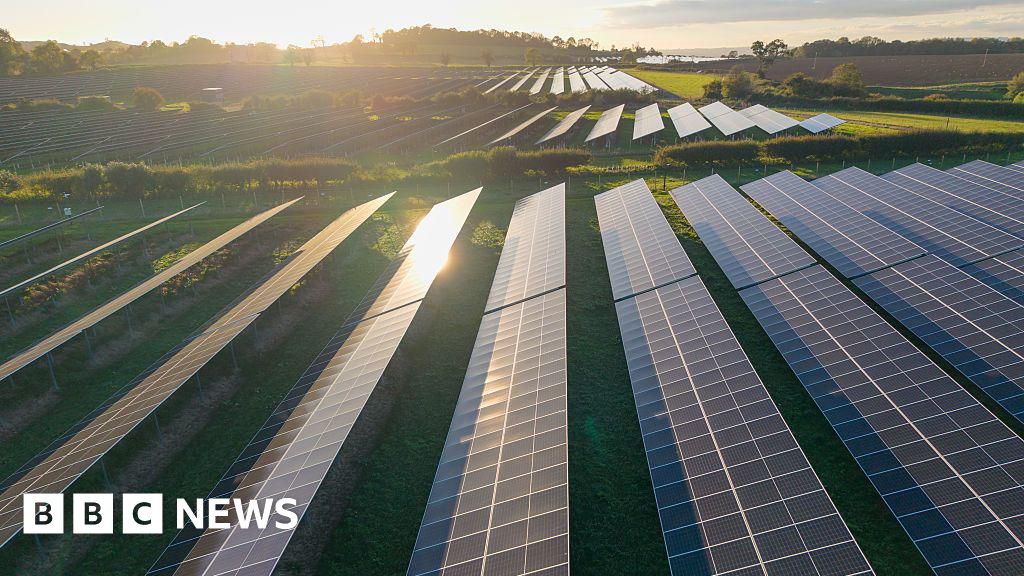
- Solar Power: Experienced a substantial increase, generating over 18 TWh, a growth of more than 4 TWh from 2024, fueled by a record number of sunny days.
- Hydro and Biomass: Continued to play a supporting role in the renewable energy mix.
Despite the positive figures, it’s crucial to note that electricity generation from fossil gas also rose slightly, highlighting the ongoing challenges in transitioning to a fully clean energy grid. This is particularly pertinent as the UK government aims to achieve its “clean power” target by 2030, which envisions a dramatic reduction in reliance on polluting gas.
Challenges Ahead
Experts, including Pranav Menon from Aurora Energy Research, indicate that while the deployment of renewable energy has been robust, it does not yet meet the exponential growth needed to achieve the ambitious clean power targets. The government plans to limit electricity generation from fossil fuels to less than 5% by 2030, a formidable task given the current energy landscape.
Key Issues to Address:
- Reliance on Gas: Despite advances in renewables, gas accounted for over 27% of electricity generation in 2025, up from 2024. This ongoing reliance poses a significant obstacle to achieving climate goals.
- Infrastructure Needs: Upgrading the electricity grid is essential for connecting new renewable sources and managing their output efficiently. Current grid limitations lead to wasted potential energy, especially on windy or sunny days.
- Consumer Costs: The transition to renewables may lead to short-term increases in energy bills, a concern voiced by some political figures.
The Path Forward
The path to a sustainable energy future requires innovation and investment in various technologies. Key areas for development include:
- Energy Storage Solutions: Implementing battery technologies to store excess renewable energy for use during less favorable conditions.
- Nuclear Energy: Expanding the role of nuclear power as a consistent low-carbon energy source.
- Grid Enhancements: Investing in infrastructure improvements to facilitate the integration of renewables, which may initially increase costs but are crucial for long-term sustainability.
Energy Secretary Ed Miliband has expressed optimism about the role of clean energy in protecting households from volatile fossil fuel markets, while critics like shadow energy secretary Claire Coutinho argue that the government’s clean power target may lead to increased costs for consumers. Balancing environmental goals with economic realities remains a complex challenge.
As we move forward, the emphasis on renewable energy generation is vital not only for climate change mitigation but also for energy security. The strides made in 2025 are commendable, yet the journey towards a cleaner, more sustainable energy future is far from over.
For more insights and details, I encourage you to read the original news article here.