



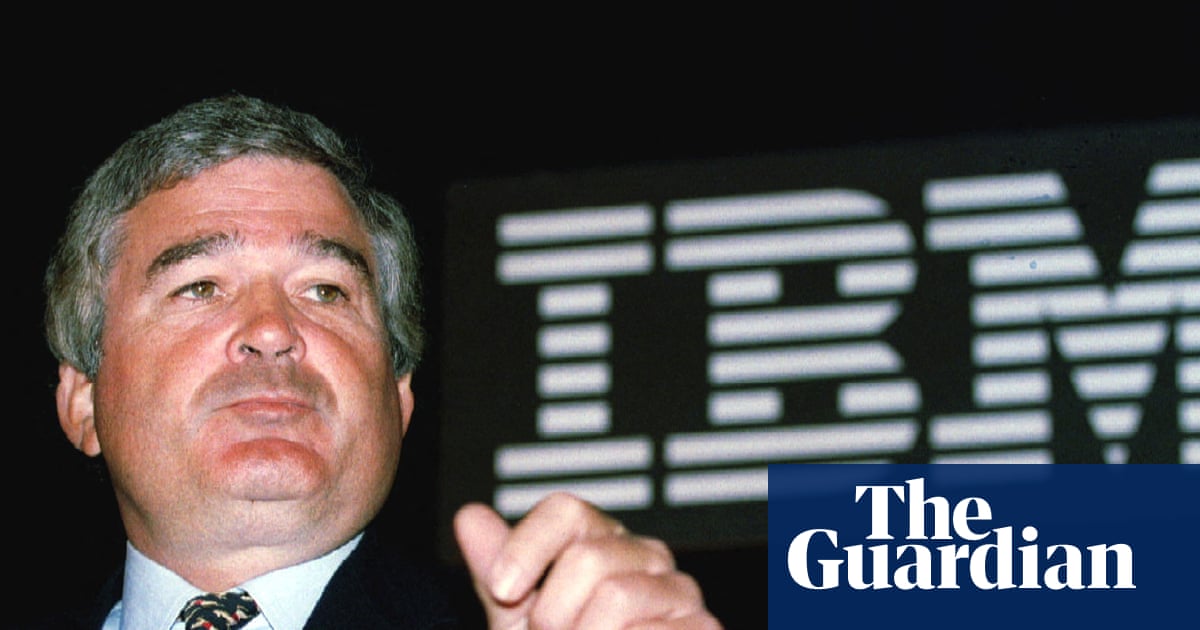
Tribute to Louis Gerstner: The Visionary Who Revived IBM
The passing of Louis Gerstner, the esteemed businessman who played a pivotal role in transforming IBM, marks the end of an era. At the age of 83, his legacy is a profound reminder of how effective leadership can steer a company through turbulent waters.
Turning Point for IBM
During his tenure as chair and CEO from 1993 to 2002, Gerstner faced a daunting challenge. IBM, once a titan of the technology sector, was grappling for relevance as competitors like Microsoft and Sun Microsystems gained ground. This was a critical juncture for the company, and Gerstner’s decisions would shape its future.
Key Decisions That Reshaped IBM
When Gerstner took the helm, he made a bold choice to keep IBM intact instead of pursuing a fragmented approach, which he aptly termed “Baby Blues.” This decision was not merely strategic; it was insightful, reflecting a deep understanding of market dynamics and client needs. As Arvind Krishna, IBM’s current CEO, emphasized:
- Client-Centric Approach: Gerstner realized that customers preferred integrated solutions over fragmented technologies.
- Focus on Profitability: His startling declaration that “the last thing IBM needs right now is a vision” underscored his priority: restoring profitability and enhancing customer service.
- Adaptation to Market Changes: By abandoning the OS/2 operating system, he recognized the importance of adapting to the dominance of Microsoft in the PC market.
Leadership Style and Legacy
Gerstner’s leadership was characterized by a unique blend of intensity and foresight. Krishna’s recollections of their time together highlight how Gerstner was able to balance immediate operational needs with long-term innovation:
- Direct and Demanding: He was known for his direct approach, expecting thorough preparation and challenging the status quo.
- Short and Long-Term Vision: Gerstner possessed an uncanny ability to juggle short-term goals with long-term strategies.
- Innovation Focus: His commitment to delivering memorable client experiences set a standard for future leaders.
A Lasting Impact
Gerstner’s influence extended beyond his time at IBM. His leadership style and strategic insight served as a blueprint for future executives. After leaving IBM, he continued to contribute to the business landscape as the chair of the Carlyle Group, demonstrating that his expertise was not confined to one organization.
As we reflect on the contributions of Louis Gerstner, it’s evident that his ability to navigate complexity and prioritize client needs was instrumental in IBM’s resurgence. His legacy is a testament to the power of effective leadership in the face of adversity.
For those interested in a more detailed account of his life and impact, I encourage you to read the original news article here.