



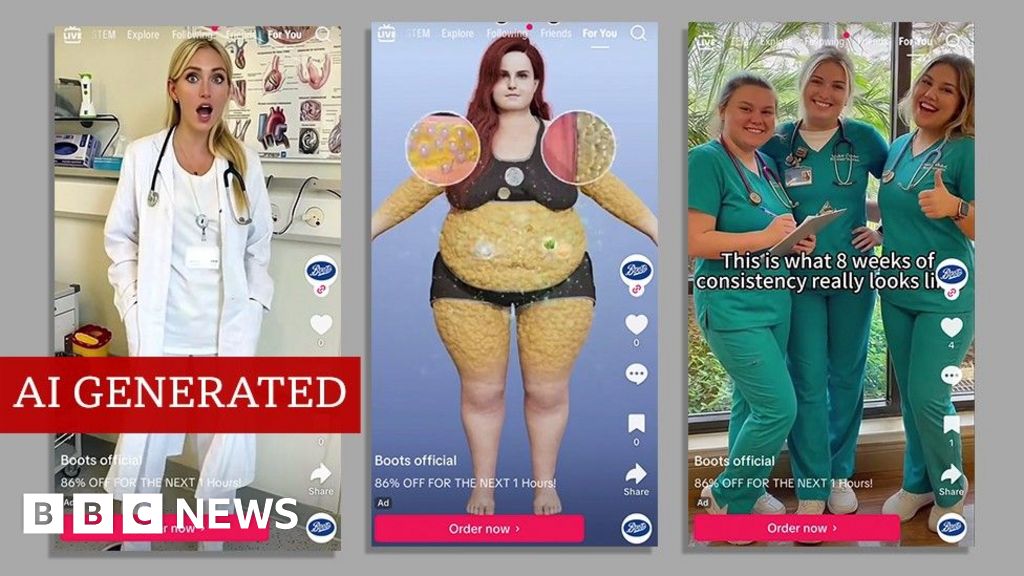
Analysis of the TikTok Weight Loss Drug Scam
Recently, we witnessed a troubling incident where fake advertisements for prescription-only weight loss drugs surfaced on TikTok, masquerading as official promotions from the reputable health and beauty retailer, Boots. This incident not only raises significant concerns about consumer safety but also highlights the challenges social media platforms face in combating misinformation and scams.
The Nature of the Scam
The advertisements featured what appeared to be smiling healthcare professionals endorsing weight loss drugs, yet they were actually generated using artificial intelligence. This raises critical questions about the ethical implications of AI in advertising and the responsibility of platforms in monitoring such content.
- Illegal to advertise prescription-only weight loss drugs to the public.
- The videos were removed after Boots reported them, yet the account was able to re-upload the same content.
- Links in the videos directed viewers to a website selling these drugs, which included fabricated testimonials.
Platform Responsibility and Response
After being notified, TikTok did remove the original videos, but the fact that the offending account was able to continue operating raises concerns about the platform’s efficiency in handling such scams. As noted by AI expert Sam Gregory, the rapid generation of misleading content poses a significant challenge for platforms. Here are some insights:
- Platforms need to act swiftly when scams are reported, prioritizing major brands like Boots over smaller businesses.
- AI technology complicates the landscape, as it allows for the easy creation of convincing yet misleading content.
Consumer Safety and Health Risks
With weight-loss jabs recently becoming available on the NHS in England, the urgency for consumer education is paramount. The Medicines and Healthcare products Regulatory Agency (MHRA) warns:
- Weight loss medicines should only be obtained from registered pharmacies against prescriptions issued by healthcare professionals.
- Purchasing these medications from unverified sources carries serious health risks and no guarantees regarding their safety or efficacy.
Conclusion
The TikTok weight loss drug scam serves as a stark reminder of the ongoing battle against misinformation in the digital age. As social media continues to grow in influence, the responsibility lies with both platforms and consumers to ensure that accurate information prevails. TikTok’s commitment to strengthening its detection methods for AI-generated content is a step in the right direction, but more robust measures are necessary to protect users from deception.
For further details and to read the original news article, click here.