



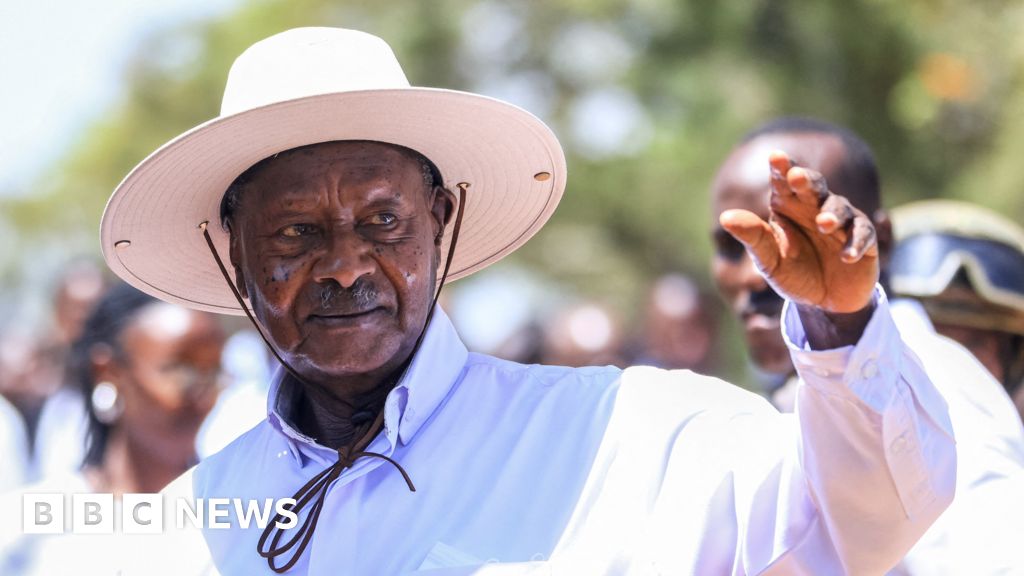
Uganda’s Election Results: A Deep Dive
In a move that has sparked both celebration and controversy, President Yoweri Museveni has been declared the winner of the recent election, effectively extending his grip on power for another five years. This marks an astounding 40 years of Museveni’s rule, a tenure that has seen him navigate Uganda through various political landscapes.
The Results and Reactions
The election commission reported that Museveni secured a staggering 72% of the vote, leaving his closest competitor, Bobi Wine, far behind with 25%. However, Wine has vehemently rejected these results, labeling them as “fake.” His call for non-violent protests reflects a growing discontent among his supporters and the general populace.
- Museveni’s historical context: First came to power in 1986 as a rebel leader.
- Election history: This is Museveni’s seventh election win.
- Bobi Wine’s profile: A 43-year-old former pop star turned politician.
Violence and Internet Blackout
The electoral process was not without its issues. Reports indicate that at least 21 people have been killed amid violent clashes, although authorities have only confirmed seven deaths. This discrepancy raises serious concerns about the transparency and safety of the electoral environment.
Furthermore, the government imposed an internet blackout starting Tuesday, ostensibly to curb misinformation and potential violence. This decision has drawn sharp criticism from the UN human rights office, which described the action as “deeply worrying.”
- Internet restrictions: Implemented to prevent misinformation.
- International condemnation: The UN has raised alarms over human rights implications.
- Bobi Wine’s demand: Calls for restoration of internet access.
Conclusion
The implications of this election are profound. With Museveni’s continued dominance, questions arise regarding the future of democracy and governance in Uganda. Bobi Wine’s movement has awakened a significant segment of the population, but the path forward remains fraught with challenges. As we navigate this complex political landscape, the need for dialogue and transparency becomes ever more critical.
For those seeking further insights and comprehensive coverage, I encourage you to read the original news article here.