



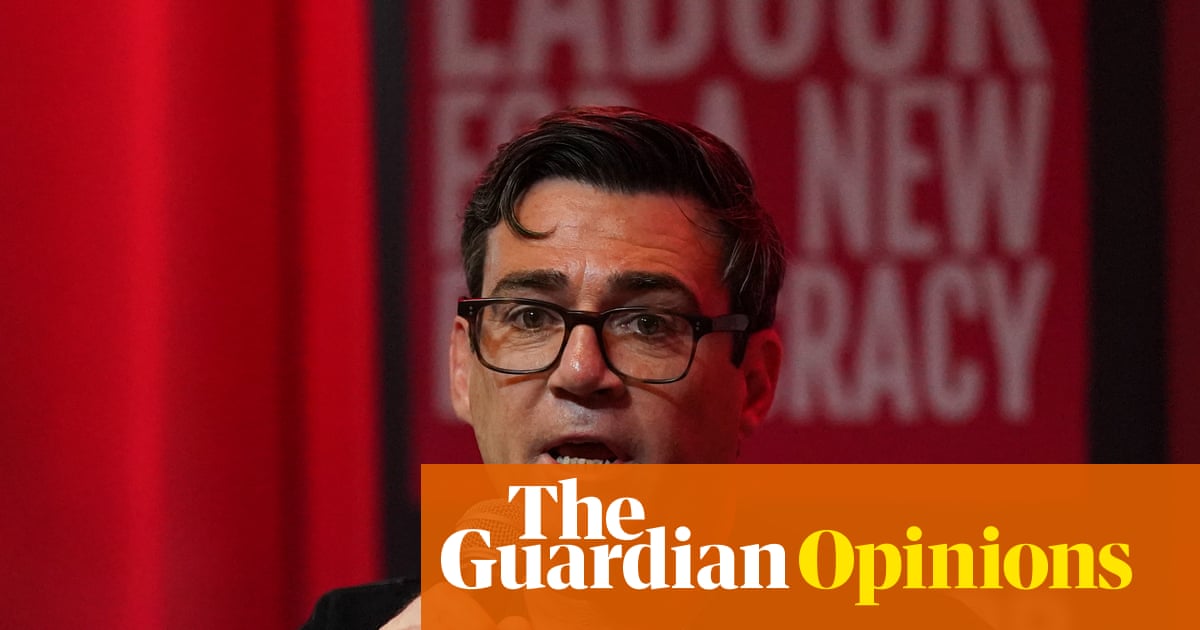
Labour’s U-Turn: A Missed Opportunity for Progress
This government has become remarkably skilled at making U-turns, and it seems we are witnessing another one. The Labour National Executive Committee (NEC) has opted to block Andy Burnham’s candidacy for the Gorton and Denton byelection. This move signifies a retreat from a more progressive form of politics that both Labour and the nation desperately need right now. The ramifications of this decision extend far beyond individual personalities; they touch on the core of how effective governance should operate amidst the complex challenges our society faces today.
The Importance of Critique in Politics
Francis Crick once stated, “A good scientist values criticism almost higher than friendship.” This sentiment rings true in the political arena as well. A successful progressive party must be agile enough to navigate the relentless tide of unpredictable events. Here’s what truly matters:
- Systems and cultures that foster feedback: Diverse perspectives must be welcomed and encouraged.
- Open debate and negotiation: These are essential for any organization aiming to thrive in today’s chaotic governance landscape.
What This Means for Andy Burnham
So, what does this decision mean for Andy Burnham? There are three critical points to consider:
- Diversity of Thought: Burnham doesn’t align perfectly with Keir Starmer’s views, which some perceive as a threat. However, a robust 21st-century organization should see this difference as a strength. Healthy political contestation is vital for better governance.
- A Model for Governance: Burnham’s leadership in Greater Manchester exemplifies a successful model of pluralism. By prioritizing locality over party lines, he has fostered consensus within the Greater Manchester combined authorities, resulting in effective long-term planning and economic growth.
- Potential for a Reset: Allowing Burnham to run could trigger a significant reset for Labour. Energizing thousands with his progressive ideas could revitalize party membership and engagement, potentially countering the rise of regressive politics.
A Moment for Political Evolution
This situation transcends Burnham, Starmer, and even Labour itself. It presents an opportunity for Starmer to embrace a new political approach. It is misguided to expect loyalty at the cost of ambition. Future leaders must be allowed to express their thoughts, develop their networks, and prepare for leadership roles. Here’s why this matters:
- Encouraging Internal Pluralism: While parties must guard against extreme views, healthy debate is essential for vitality. Without it, any organization risks stagnation.
- Constructive Disagreement: This isn’t about silencing dissent but rather promoting honest, respectful discussions that can lead to necessary reforms.
The Call for Change
At a time when public cynicism towards politics is growing, the NEC’s decision casts a shadow over the political landscape. It’s imperative for the Prime Minister to reconsider this stance, demonstrating leadership and signaling the change that the electorate desires. The reversal of this decision could illuminate a path forward for Labour, the government, and the country at large.
For those interested in further exploring this topic, I encourage you to read the original news article here.