



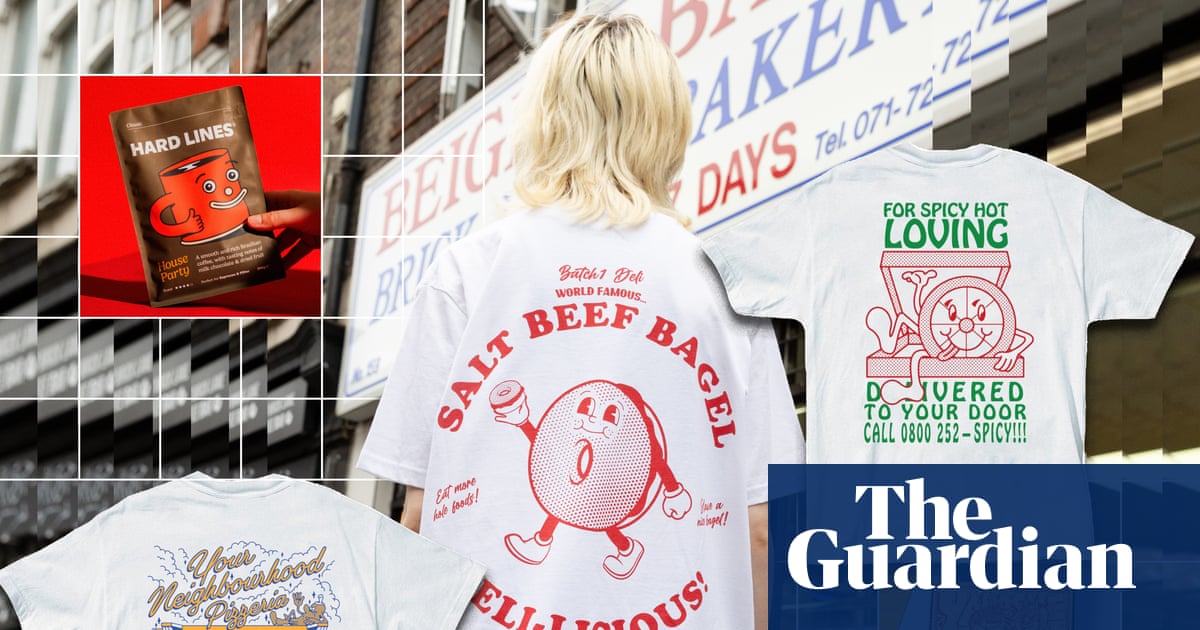
The Rise of Cartoonish Branding: A Playful Take on Modern Marketing
In recent years, we’ve witnessed a fascinating trend in branding—a surge of cartoonish characters that have taken over the visual landscape of independent eateries, bars, and even podcasts. From a bagel with arms to a rugby ball on the run, these quirky personas are more than just artistic choices; they represent a significant shift in how businesses communicate with their audience.
The Evolution of a Visual Style
What seems like a modern aesthetic actually has deep roots. The style, often associated with the late 2010s and early 2020s, draws heavily from the 1920s and 30s animation technique known as rubber hose. This approach features:
- Exaggerated facial expressions
- Flailing limbs without joints
- Influences from 1950s Americana and nostalgic graphic design
It’s a blend of fun and irony, reminiscent of vintage T-shirts and contemporary cartoon trends. Brands like Yard Sale Pizza, established in Hackney in 2014, have embraced this style, using it to carve out a unique identity amidst a sea of traditional branding.
Why This Playful Aesthetic Works
The appeal of these cartoonish designs is clear. They offer a refreshing contrast to the often serious and sterile branding seen in many industries today. The playful nature of these images allows brands to connect with consumers on a more personal level, providing a human touch to otherwise abstract concepts. Some key points to consider include:
- Relatability: Characters embodying everyday items make brands approachable.
- Fun Factor: They inject humor into marketing, making consumers smile in a world filled with challenges.
- Independence: This aesthetic has become synonymous with independent businesses, giving them a unique edge.
A Global Phenomenon
Interestingly, the rubber hose style isn’t confined to the UK; it has spread worldwide. From Belgium to the United States, variations of this aesthetic are saturating markets, adapting to local tastes while maintaining their core playful essence. However, as with any trend, there are detractors who argue that the style has become overused, leading to a lack of originality. Critics, like designer Ram Reyes, express frustration over the “templification” of design, where brands resort to cookie-cutter solutions rather than investing in unique visuals.
The Future of Branding
As we look to the future, there’s a possibility that this trend may evolve. Emerging design movements suggest a return to more traditional, hand-drawn aesthetics, characterized by:
- Elemental Folk: Emphasizing craft and human touch.
- Naive Style: Featuring childlike drawings and imperfections.
- Lo-Fi Aesthetics: Scrawled text and rough designs that defy digital perfection.
These shifts may arise as a reaction against the mass-produced images that have flooded the market, pushed by AI and template-driven design tools. The call for authenticity and individuality in branding is becoming louder, and it will be interesting to see how businesses respond.
Conclusion
In the end, the cartoon character phenomenon in branding reflects our desire for connection and joy in an often chaotic world. Whether it’s a smiling pizza or a cheerful coffee cup, these characters invite us to engage with brands in a more meaningful way. As we navigate this evolving landscape, one thing is clear: the balance between playful aesthetics and genuine authenticity will shape the future of branding.
For further insights, you can read the original news article here.