



The Hidden Stories of London’s Geological History
In the bustling heart of London, a 150-million-year-old ammonite fossil rests quietly in a limestone wall, often overlooked by the many who pass by. This remarkable relic sits just outside a tapas restaurant on Plantation Lane, a silent witness to the eons that have shaped our planet. This juxtaposition of ancient life and modern culinary delights poses a fascinating question: how often do we consider the geological narratives embedded in our urban landscapes?
Urban Geology: A Passion Revealed
For Dr. Ruth Siddall, a dedicated geologist, the answer is simple—it’s a daily preoccupation. Her passion for urban geology has transformed the architecture of central London into a vibrant tapestry of Earth’s history. Each stone, pavement slab, and building material tells a story, revealing the geological processes and ancient environments that have shaped our world.
- York Stone: As we stroll along Eastcheap, Ruth points out the fine-grained sandstone beneath our feet, quarried from the Peak District and dating back around 310 million years. It’s a remnant of a prehistoric riverbed, a fascinating glimpse into a time long before London existed.
- Storytelling Through Structure: Ruth emphasizes that London lacks local building stones due to its clay basin, making its architecture a collection of materials sourced from far and wide. This fact alone gives a new dimension to our understanding of the city.
Discovering the Rock Biographies
Joining Ruth on her geological walking tour offers an enriching perspective on the very fabric of London. Her enthusiasm for urban geology ignited during her time in Athens, where she catalogued rocks from ancient ruins. Since then, she has been on a mission to reveal the geological stories hidden in plain sight.
Over the course of the tour, we encounter an array of rocks from diverse locations, each chosen for its aesthetic appeal:
- Serpentinite: Found outside a travel agency, this Cretaceous stone hails from the Italian Alps.
- Larvikite: The pillar outside a pub is composed of this ancient Norwegian stone, formed from magma that cooled deep within the Earth.
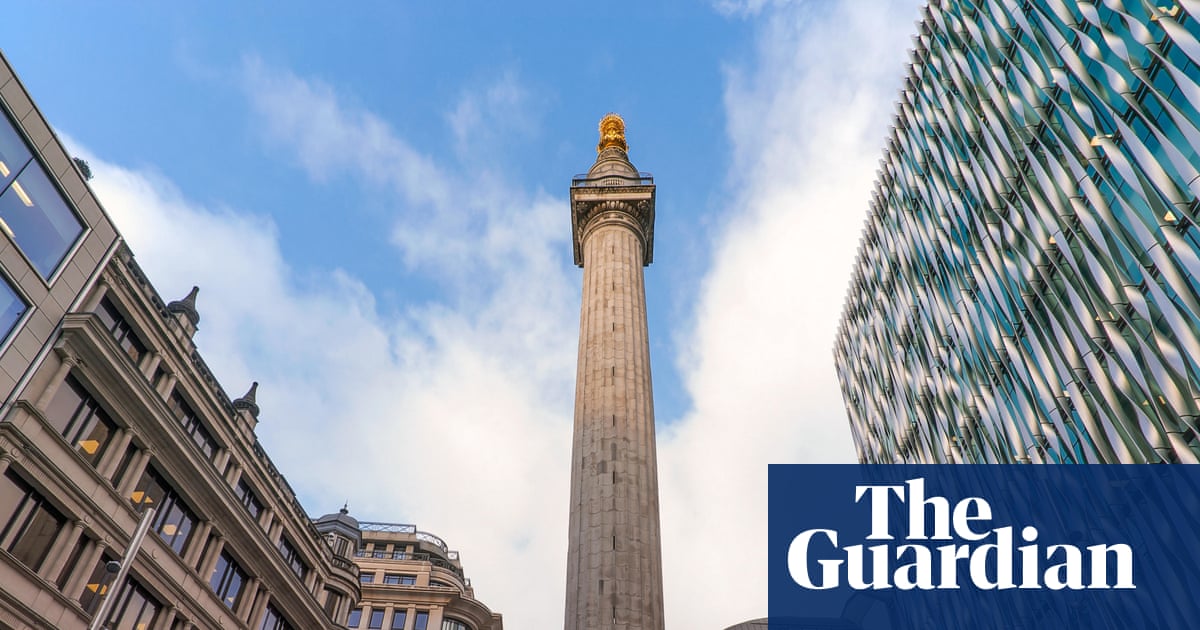
- Portland Stone: The base of the Monument is rich with Jurassic oyster shells and evidence of prehistoric shrimp burrows.
A Journey Through Time
This tour is not merely an educational experience; it’s a journey through time. Each stop invites curious glances from passersby, as Ruth illuminates the geological epochs represented in the city’s infrastructure. The Monument itself, a tribute to the Great Fire of London, marks a pivotal moment that spurred the adoption of stone architecture, showcasing how historical events can shape urban development.
Among the more extraordinary finds are:
- Fossilized Orthocones: Located near St. Paul’s Cathedral, these marine fossils from a bygone era add to the narrative of life that once thrived here.
- Vertebrate Bones: The limestone of a nearby wine bar contains what may be a pterosaur bone, a tantalizing mystery of our planet’s prehistoric past.
- Gneiss from a Meteorite Impact: A striking co-working space features gneiss from a meteorite impact crater in South Africa, reminding us of the cosmic forces that have shaped our Earth.
Final Thoughts
As we conclude our journey, it becomes evident that London’s streets are not just pathways for pedestrians but are also a rich geological archive waiting to be explored. Dr. Siddall’s work encourages us to look down and appreciate the intricate stories that our urban environment has to tell. In a world where we often rush through our days, taking a moment to reflect on the geological history beneath our feet offers a profound connection to the Earth.
For those interested in experiencing this unique perspective of urban geology, Ruth leads guided walks through London, available through London Walks for a nominal fee. It’s an opportunity to engage not only with the city’s rich history but also with the very stones that form its foundation.
To delve deeper into this captivating exploration of London’s geological heritage, I encourage you to read the original news article here.