



The UK Government’s Stance on AI Image Editing: A Controversial Move by Grok AI
The recent decision by Grok AI to limit its controversial image editing capabilities has sparked significant debate, especially following the UK government’s strong condemnation of the policy. This situation raises important questions about ethics, responsibility, and the implications of AI technology in our daily lives.
Understanding the Controversy
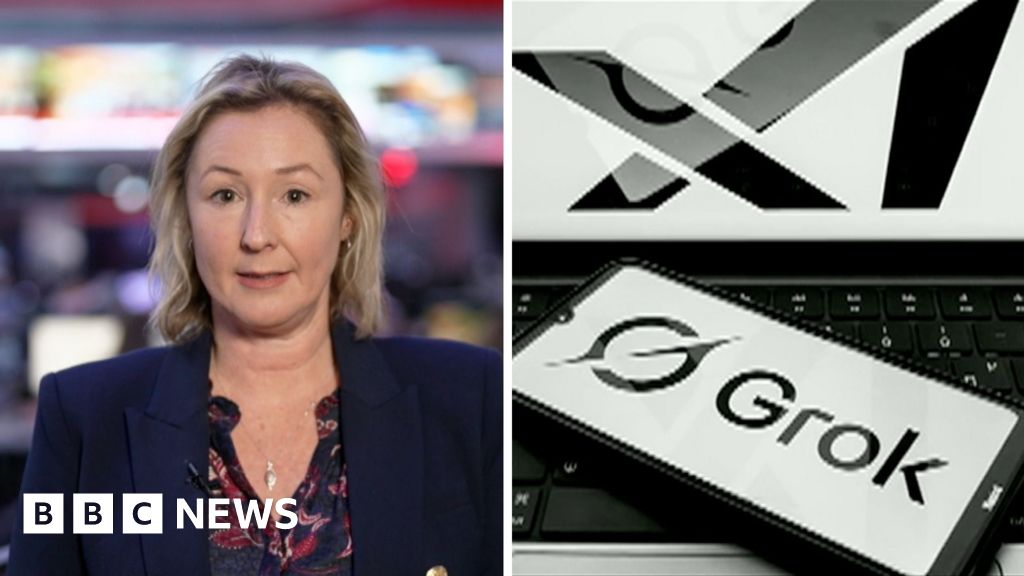
Grok AI, an artificial intelligence engine owned by Elon Musk, has faced backlash for its ability to digitally alter images in ways that can be deemed exploitative, such as undressing individuals in photos. The company’s new policy restricts these edits to users who pay a monthly fee, a move that has been described by the UK government as “insulting” to victims of misogyny and sexual violence.
Key Points of the Issue
- Ethical Concerns: The ability to manipulate images raises profound ethical questions about consent and the potential for misuse in perpetuating harmful stereotypes.
- Victim Impact: By introducing a paywall for such features, Grok AI seems to trivialize the experiences of those affected by misogyny and violence, suggesting that financial status determines access to ethical standards.
- Public Backlash: The outcry from both the public and government entities highlights a growing concern over how technology can impact societal norms and personal safety.
Implications for the Future
This situation is more than just a dispute over a subscription model; it serves as a critical juncture in the discussion about AI ethics. As technology continues to evolve, companies like Grok AI must navigate the fine line between innovation and responsibility.
As we look ahead, it is essential for tech companies to engage with regulatory bodies and civil society to establish guidelines that prioritize safety and ethics over profit. The dialogue initiated by this controversy may pave the way for more stringent regulations that hold technology accountable for its societal impact.
Conclusion
In conclusion, the UK government’s response to Grok AI’s policy change brings to light significant issues regarding the ethical use of artificial intelligence. It challenges us to consider the broader implications of how we interact with technology and its role in shaping our values and beliefs. As we continue to grapple with these challenges, we must remain vigilant and proactive in advocating for responsible tech practices.
For a more detailed account of this developing story, I encourage you to read the original news article here.