



Spain’s Renewable Energy Evolution: A Double-Edged Sword
The Rise of Renewables in Figueruelas
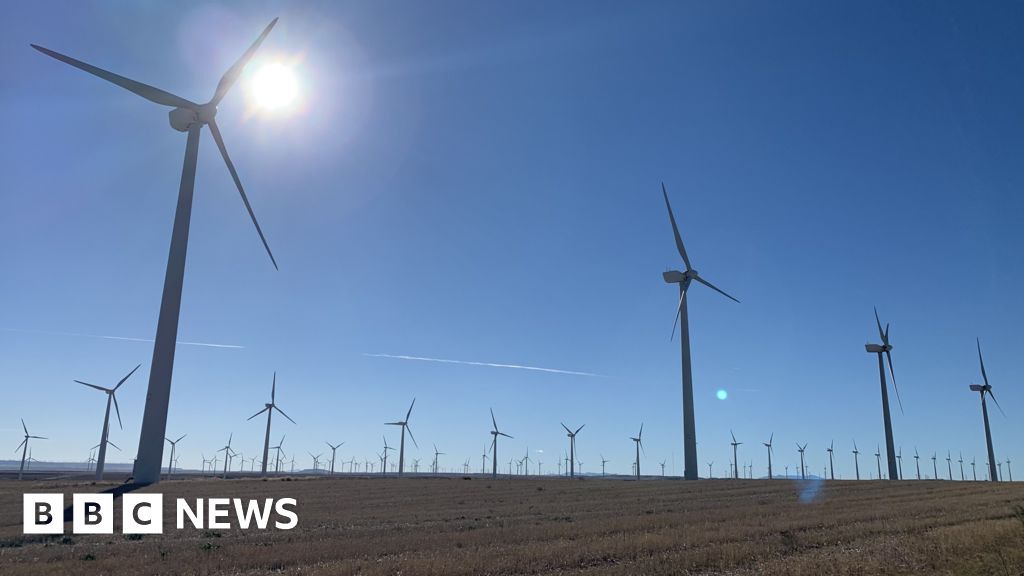
In the tranquil town of Figueruelas, a monumental wind turbine stands as a beacon of Spain’s commitment to renewable energy. This development not only symbolizes the region’s green transition but also marks a significant investment in the future of energy. The establishment of a new battery factory by the Chinese firm CATL in collaboration with Stellantis is set to play a pivotal role in this transformation.
With a combined investment of €4 billion, this facility will harness the abundant wind and solar energy available in Aragón, providing a clean and sustainable energy source for electric vehicle production. As the local mayor, Luis Bertol Moreno, aptly notes, the region’s consistent wind and sunshine are vital for this ambitious project.
Spain’s Renewables Surge
Spain has made remarkable strides in its transition to renewable energy. Key highlights include:
- Renewable Contribution: In 2017, renewables accounted for one-third of Spain’s electricity; this figure soared to 57% last year.
- Future Goals: The government aims for renewables to represent 81% of electricity output by 2030.
- Political Commitment: Prime Minister Pedro Sánchez champions this agenda, countering fossil fuel reliance with a clear “Green, baby, green” mantra.
Challenges and Criticism
Despite the positive momentum, Spain’s renewable energy model faces scrutiny, particularly after an extensive blackout in April that affected many parts of the country. This incident has ignited debates around the reliability of an energy system heavily reliant on renewables.
Key points of contention include:
- Political Fallout: The blackout has sparked accusations of “fanaticism” from opposition leaders, who argue for a reevaluation of the energy strategy.
- Energy Mix Debate: Critics point to the record solar generation levels prior to the blackout as evidence of potential over-reliance on renewables.
- Nuclear Power Concerns: The nuclear industry is pushing back against plans for closures, advocating for a balanced energy mix that includes nuclear alongside renewables.
The Road Ahead
While the government and energy operators maintain that the blackout was due to a combination of factors unrelated to renewable energy levels, the political landscape remains uncertain. The need for enhanced energy storage solutions has been highlighted as a critical area for improvement.
As Spain navigates this complex energy transition, the possibility of a shift towards a more conservative government could reshape the renewable agenda, potentially favoring traditional energy sources.
Economic Implications for Figueruelas
For the small town of Figueruelas, the arrival of the battery factory represents not just an influx of investment but a significant population increase, with many workers expected to relocate for the project. This could lead to:
- Job Creation: The factory is projected to indirectly create up to 35,000 jobs.
- Community Revitalization: Local businesses in construction, hospitality, and services stand to benefit significantly from this development.
As local resident Manuel Martín emphasizes, “These kinds of investments revitalise the area, they revitalise the construction sector, hostelry… And the energy is free – it just depends on the sun and the wind.”
For those interested in a deeper dive into this evolving narrative, I encourage you to read the original news article at the source: BBC News.