



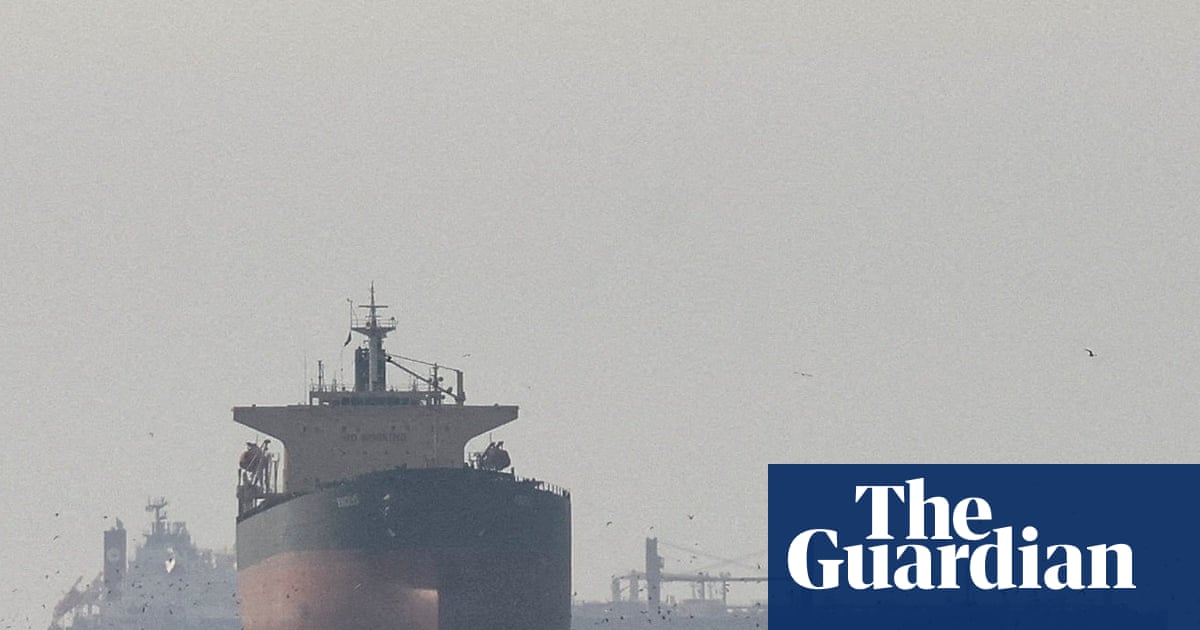
Strategic Moves in the Strait of Hormuz: A Delicate Balancing Act
As tensions rise in the Strait of Hormuz, the UK government is weighing its options in response to the volatile situation, particularly following recent demands from former President Donald Trump for military support. The potential deployment of minesweeping drones highlights a pivotal moment in international relations and energy security, which I believe deserves a closer examination.
Current Developments
The UK ministers are reportedly exploring plans to send aerial minesweeping drones to the Strait of Hormuz. This decision comes amidst concerns that fulfilling Trump’s request for ships could further escalate an already precarious situation. The strait is a crucial conduit for global oil supplies, and Iran’s threats to target vessels have significantly impacted oil prices, which have surged from approximately $65 to over $100 per barrel.
Key points to consider:
- Minesweeping Drones: The proposed use of drones could provide a non-escalatory method to ensure safe passage for ships, aiming to alleviate the situation without direct military confrontation.
- Impact on Energy Prices: The rising costs of oil are predicted to lead to higher inflation and lower economic growth, emphasizing the urgent need for resolution in the region.
- Political Ramifications: The relationship between the UK and the US could face further strain if the situation is not handled delicately, especially given the historical context of military cooperation.
Government Stance and Political Implications
Keir Starmer is poised to announce significant financial support for Britons affected by escalating energy prices, alongside a commitment to de-escalate tensions in the Middle East. His assertion that “ending the war is the quickest way to reduce the cost of living” underscores the interconnectedness of geopolitical stability and domestic economic health.
In conversations with Trump, Starmer reaffirmed the UK’s position, yet the response from various nations regarding military deployment remains cautious. Japan and South Korea are also deliberating their next steps, indicating a broader hesitation among allies to escalate military presence in the region.
Challenges Facing the UK Government
The UK faces significant challenges as it navigates this complex geopolitical landscape:
- Military Preparedness: The current state of the Royal Navy raises concerns about the UK’s ability to respond effectively. The recent departure of HMS Middleton for maintenance highlights potential gaps in readiness.
- Budgetary Constraints: Recent cuts to defence spending, particularly in counter-drone and missile defence capabilities, have drawn criticism and may limit options for a robust response.
- Public Sentiment: The government’s approach is under scrutiny as critics demand increased defence spending, which could influence public opinion against the backdrop of rising energy prices.
Conclusion
The evolving situation in the Strait of Hormuz represents a critical juncture for the UK government. The decision to deploy minesweeping drones may serve as a strategic move to mitigate risks without escalating military tensions. However, the underlying issues of military readiness and economic impact cannot be overlooked. As the government deliberates its course of action, it is essential to strike a balance that ensures both national security and economic stability.
For a more in-depth look at these developments, I encourage you to read the original news article here.