



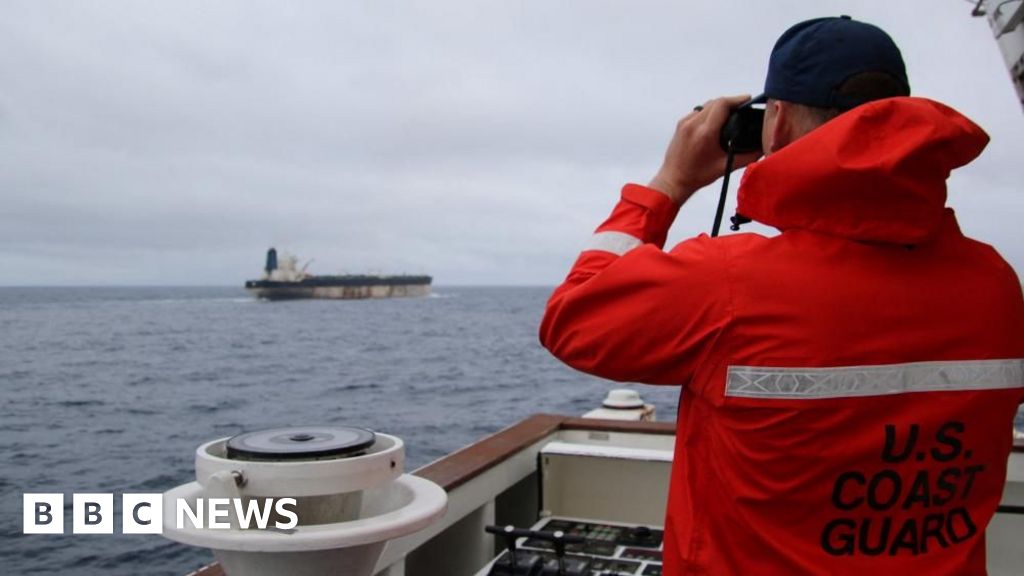
Analysis of the US-UK Seizure of Russian-Flagged Oil Tanker
In a significant maritime operation, British armed forces assisted the United States in the seizure of a Russian-flagged oil tanker, the Marinera, in the North Atlantic. This event not only highlights the escalating tensions between Western nations and sanctioned states like Venezuela and Iran but also raises pressing questions about international maritime law and the enforcement of sanctions.
The Operation Details
The Marinera, previously known as Bella 1, was intercepted by the US Coast Guard while navigating between Iceland and Scotland. The operation was a collaborative effort, with the UK’s Ministry of Defence confirming that RAF surveillance aircraft and a Royal Navy ship, RFA Tideforce, played crucial roles in this maritime enforcement action.
Key Points of the Seizure
- International Compliance: Defence Secretary John Healey emphasized that the operation was “in full compliance with international law,” reinforcing the UK’s commitment to countering “malign activity on the high seas.”
- US-UK Collaboration: The UK’s involvement reflects a deepening military partnership with the US, particularly regarding maritime security issues.
- Shadow Fleet Allegations: The Marinera is accused of participating in a shadow fleet that transports oil for Venezuela, Iran, and Russia, defying US sanctions.
- Historical Context: The vessel has a documented history of “nefarious activity,” including links to the financing of terrorism.
Strategic Considerations
This operation comes at a time when geopolitical tensions are high, particularly following the recent military actions in Venezuela aimed at removing President Nicolás Maduro. The involvement of the UK military signals a proactive approach to thwarting the activities of countries that are perceived as threats to global stability.
Reactions and Implications
The response from Moscow has been predictably critical, with officials demanding that the US treat Russian nationals on board the vessel appropriately. The Russian transport ministry’s assertion that the seizure violates international norms indicates that this incident could escalate diplomatic tensions further.
Conclusion: The Bigger Picture
As we analyze this operation, it becomes clear that the dynamics of maritime law enforcement are transforming. The rise of shadow fleets, particularly those associated with sanctioned states, is a growing challenge for international security.
Moreover, as financial intelligence suggests that a considerable portion of global oil tankers might be involved in smuggling operations, the need for robust international cooperation becomes increasingly urgent. The Marinera seizure serves as a reminder of the complexities involved in enforcing sanctions and maintaining maritime order.
For those interested in further details, I encourage you to read the original news article here.