



Warning Against Illicit Weight-Loss Medications: A Growing Concern
Every January, the surge of new year resolutions often sees individuals seeking effective ways to shed pounds. However, the recent warnings from health experts underscore a critical issue: the dangers of purchasing weight-loss medications from unverified sources, particularly social media sellers.
The Popularity of Weight-Loss Jabs
Medications like Wegovy and Mounjaro have gained immense popularity for their effectiveness in weight reduction. Clinical trials indicate that Mounjaro can facilitate an average weight loss of around 20% over a 72-week treatment period. Yet, with the NHS’s limited access to these drugs and their high cost, the demand has created a lucrative black market.
The Black Market Boom
The Medicines and Healthcare products Regulatory Agency (MHRA) has recently intensified its warnings about the risks associated with obtaining weight-loss medications from illegal channels.
- Buying from unauthorized sellers poses significant health risks.
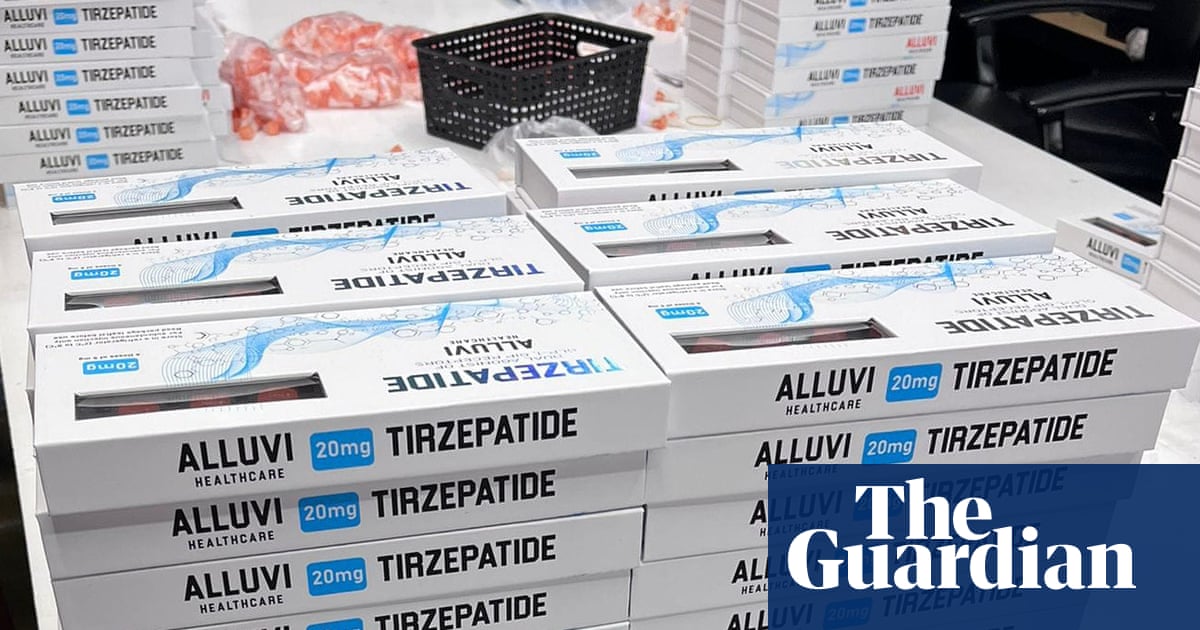
- The MHRA has confiscated over £250,000 worth of counterfeit weight-loss products from a single factory.
- Investigations revealed that companies continue to market replicas of unlicensed drugs on platforms like Telegram.
As Jenn Matthissen from the MHRA aptly points out, “People often look for ways to support their health at this time of year but buying medicines from illegal online sellers can put your health at real risk.” This statement highlights the pressing need for consumers to remain vigilant about the sources of their medications.
Scams and Financial Risks
Furthermore, banks have issued warnings about scams related to these medications, with victims reportedly losing an average of £120. This financial risk adds another layer to the already concerning issue of health safety.
Identifying Unsafe Practices
The MHRA has previously alerted the public about various channels selling prescription medications without valid prescriptions. Here are some red flags to be aware of:
- Unusually low prices for medications.
- Claims of “miracle results” or “quick fixes.”
- Sales through beauty salons or unregulated websites.
These signs not only indicate potential fraud but also suggest that the products sold may be counterfeit, contaminated, or improperly dosed. Such risks are compounded when medications are not stored correctly, potentially losing their effectiveness or even becoming hazardous.
Official Statements and Recommendations
Dr. Zubir Ahmed, the health minister, has also weighed in, emphasizing the dangers of purchasing weight-loss medications from unregulated sources. He stated, “These products are made with no regard for safety or quality and pose a major risk to unwitting customers.”
He urges individuals to seek legitimate and licensed obesity drugs from registered pharmacies, obtained only through valid prescriptions. This prudent approach not only ensures safety but also supports a healthcare system that prioritizes patient well-being.
Conclusion
As the new year unfolds, it is imperative for individuals to prioritize safety over convenience in their pursuit of weight loss. The allure of quick fixes from dubious sellers can lead to dire health consequences and financial loss. Always consult healthcare professionals and rely on authorized sources for medications.
For further details and the original news report, please read it here.