



Trump’s Remarks on Insurrection Act: Analysis
The Current Political Climate in Minneapolis
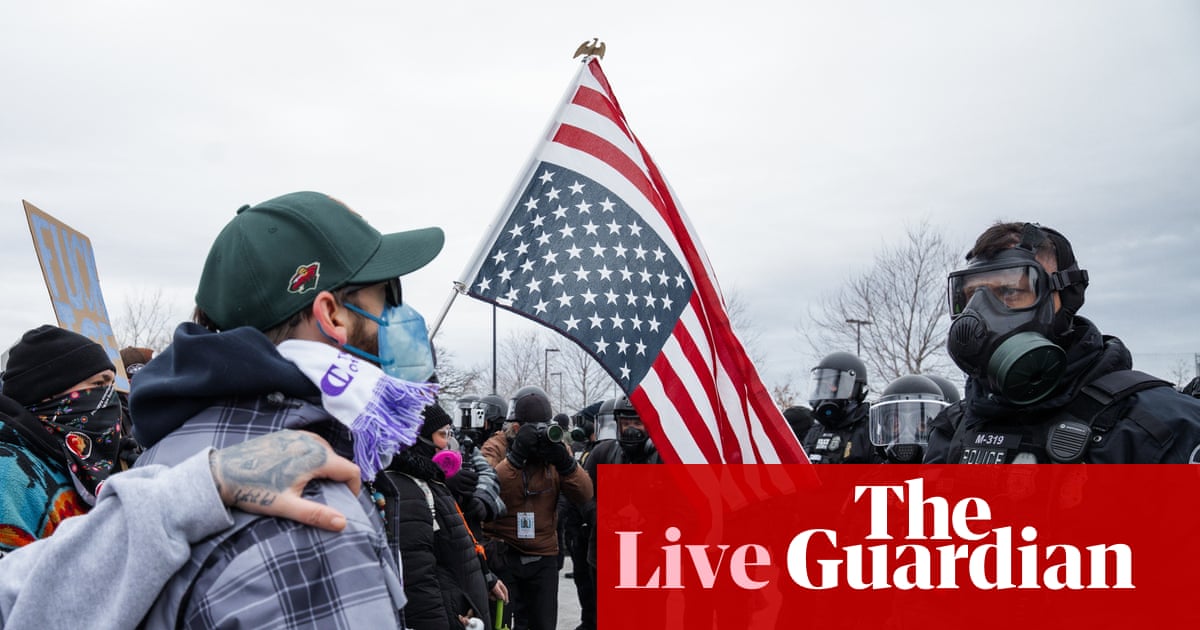
In a recent press conference, President Trump expressed his stance regarding the potential invocation of the Insurrection Act amidst rising tensions in Minneapolis due to protests against federal immigration agents. His statement was both revealing and troubling, as it reflects the administration’s approach to handling domestic unrest.
Trump’s Position on the Insurrection Act
Trump stated, “I don’t think there’s any reason right now to use it, but if I needed it, I’d use it.” This statement raises several questions:
- What circumstances does Trump consider sufficient to warrant the use of military force?
- Does this indicate a broader strategy to manage dissent through force rather than dialogue?
- How does this align with historical precedents, such as the last invocation of the act during the 1992 Los Angeles riots?
Context of the Protests
The protests in Minneapolis were sparked by the tragic shooting of Renee Good by an ICE officer, which has led to widespread anger and calls for accountability. Trump’s mention of potential military intervention appears to be an attempt to project strength, but it could further escalate tensions rather than ease them.
The Role of Local Leadership
Local officials, including Minnesota’s Governor Tim Walz and Minneapolis Mayor Jacob Frey, have urged for peaceful demonstrations and dialogue. They have called on Trump to lower the temperature of the situation, highlighting a stark contrast between local governance and the federal response. This begs the question:
- How can local leaders effectively manage unrest when faced with federal threats of military intervention?
- What does this mean for the relationship between state and federal authorities during crises?
Implications for National Politics
Trump’s rhetoric about invoking the Insurrection Act not only impacts Minneapolis but also reverberates across the nation. It signals a willingness to use force as a first option in dealing with civil unrest, setting a dangerous precedent for future administrations.
Conclusion
As we observe the unfolding events in Minneapolis, it is crucial to remain vigilant about the implications of such statements and potential actions by the federal government. The balance between maintaining order and respecting civil liberties is delicate, and the choices made in this moment could have long-lasting consequences.
For more details, read the original news article here.