



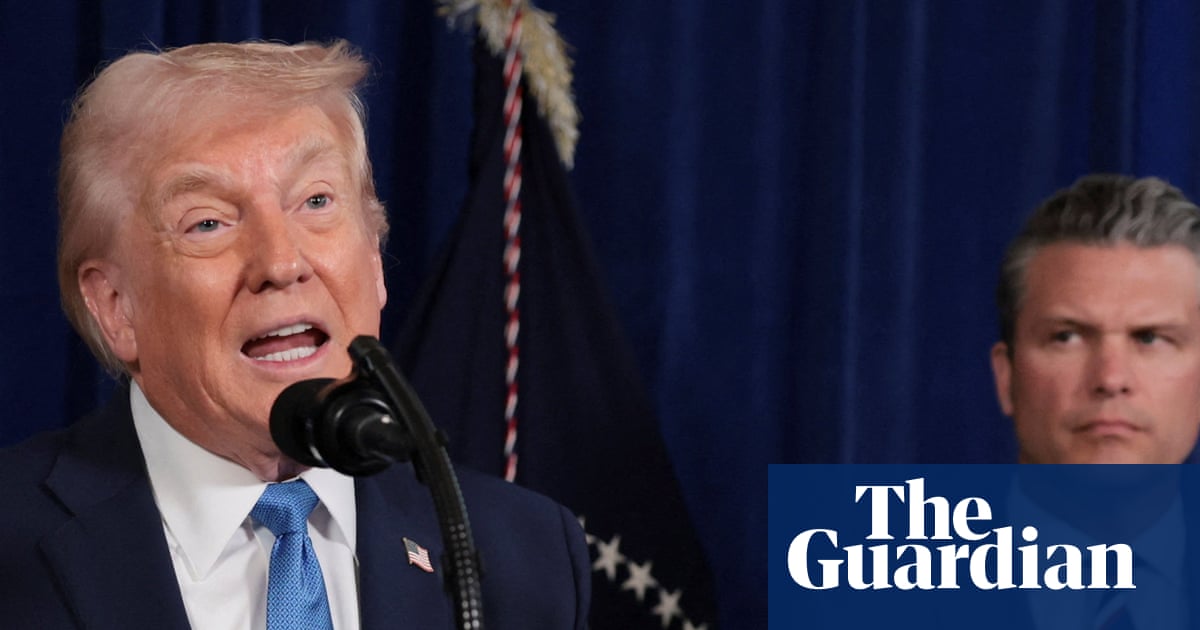
US Military Intervention in Venezuela: An Analysis
The recent military intervention in Venezuela, where President Donald Trump announced the capture of Nicolás Maduro, has sparked fervent discussions and diverse opinions both domestically and internationally. This audacious military maneuver raises critical questions about the implications for US foreign policy and the future of Venezuela.
A Bold Move or Dangerous Imperialism?
Trump’s declaration that the US will “run” Venezuela until a safe transition of power occurs is undeniably significant. He described the operation as “an assault like people have not seen since World War II,” which illustrates the gravity he associates with this event. However, it has been met with sharp criticism from various quarters:
- Domestic Backlash: Many Democrats have labeled this intervention as a dangerous example of US imperialism reminiscent of the Iraq invasion in 2003.
- International Response: Global leaders from nations such as Russia and Cuba condemned the US actions as violations of sovereignty.
- Public Concern: Trump’s own supporters, who have rallied behind his “America First” stance, may find this military action contradictory to his campaign promises to end foreign wars.
Trump’s Vision for Venezuela
During his press conference at Mar-a-Lago, Trump outlined a vision for Venezuela that centers around US oil companies stepping in to revitalize the nation’s vast oil reserves. His assertion that “this won’t cost us a penny” because of the expected revenues from oil raises eyebrows:
- Oil Infrastructure: Trump aims for the US oil industry to invest billions to repair and profit from Venezuela’s oil infrastructure, which he claims will benefit the country.
- Military Presence: He hinted at the possibility of increased military engagement, stating, “We’re not afraid of boots on the ground if we have to have,” suggesting a readiness for further intervention.
The Current State of Venezuela
Despite the dramatic events, the status of Maduro’s government remains uncertain. Reports indicate that Maduro’s administration still retains control, and his vice-president, Delcy Rodríguez, vehemently rejected Trump’s claims of a new leadership. She characterized the US actions as “unprecedented military aggression” and asserted that Maduro’s presidency remains intact.
Implications of the Intervention
The implications of this military intervention extend beyond immediate geopolitical considerations:
- Potential for Escalation: The readiness for a larger military operation could lead to a prolonged conflict, reminiscent of other US interventions that have spiraled out of control.
- Impact on Civilian Life: The Venezuelan people are already in a precarious state due to economic and humanitarian crises. Further military involvement could exacerbate these issues.
- International Relations: The response from countries like Mexico and Brazil indicates potential for regional instability and a united front against perceived US imperialism.
Conclusion
As we witness the unfolding events in Venezuela, it is crucial to critically examine the motivations and consequences of the US intervention. The narrative of liberating a nation often masks the underlying quest for resources and strategic dominance. The world watches closely as the situation develops, and it is imperative for both the US and Venezuela to navigate these turbulent waters with a focus on peace and stability.
For a more detailed account of these events, I encourage you to read the original news article here.