



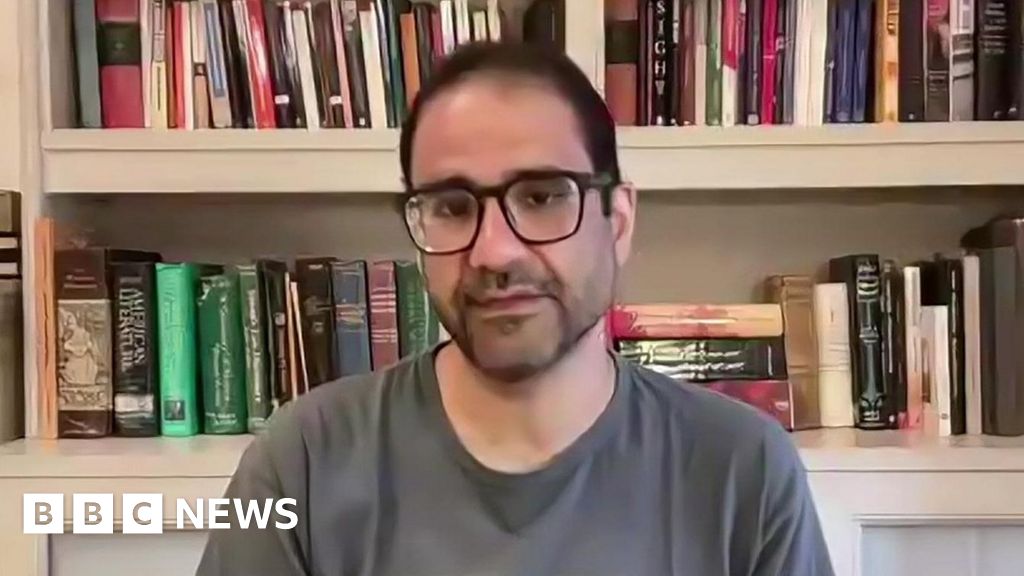
Controversy Surrounds Alaa Abdel Fattah’s Arrival in the UK
The recent arrival of Egyptian activist Alaa Abdel Fattah in the UK has ignited a firestorm of political debate, as the Conservatives call for his deportation and the revocation of his British citizenship. This situation raises significant questions about the balance of human rights advocacy and national security in our current political climate.
Political Reactions and Statements
Shadow Justice Secretary Robert Jenrick has taken a firm stance, asserting that Abdel Fattah should “live in Egypt or frankly anywhere else in the world.” His comments follow the emergence of social media posts in which Abdel Fattah allegedly called for violence against Zionists. This has not only drawn ire from political opponents but has also raised alarms among various community groups.
- Jenrick’s Criticism: He condemned senior ministers for celebrating Abdel Fattah’s arrival, labeling it an “absolute disgrace.”
- Foreign Office Position: While they have prioritized Abdel Fattah’s release, they also condemned his “abhorrent” social media posts.
- Board of Deputies’ Concerns: The Jewish community has expressed profound concern over Abdel Fattah’s past rhetoric, which they argue is threatening to British Jews.
Complex Background of Alaa Abdel Fattah
Alaa Abdel Fattah, a dual British national, recently arrived in the UK after spending a significant amount of time in an Egyptian prison. His conviction in 2021 for allegedly “spreading fake news” has been a point of contention, especially given the backing he received from various human rights advocates.
- Release Campaign: His release was the result of prolonged campaigning, supported by notable figures and lobbying by the British government.
- Controversial Comments: He has been accused of extreme rhetoric, including calls for violence against police and others.
- Past Recognition: Despite his controversial views, he was once nominated for the Sakharov Prize for Human Rights.
Political Fallout and Ongoing Debate
The political ramifications of this situation are significant. Former Conservative leader Sir Iain Duncan Smith has expressed regret for previously supporting Abdel Fattah’s release, stating that had he known about the extremist comments, he would have reconsidered his position. This kind of flip-flopping reflects a broader struggle within political parties about how to handle individuals with controversial backgrounds who may pose risks to societal harmony.
- Labour’s Response: A Labour source accused Jenrick of attempting to manipulate the narrative for political gain, emphasizing the need for a thoughtful approach to such contentious issues.
- Human Rights vs. Security: This incident underscores the ongoing tension between advocating for human rights and ensuring national security.
Conclusion
The case of Alaa Abdel Fattah highlights the complexities of citizenship, activism, and the responsibilities that come with them. As this situation unfolds, it will be crucial for all parties involved to engage in a constructive dialogue that prioritizes both human rights and the safety of the public.
For further details, please read the original news article here.