



The Tenuous Future of INVAM: A Call for Action to Preserve Our Fungal Heritage
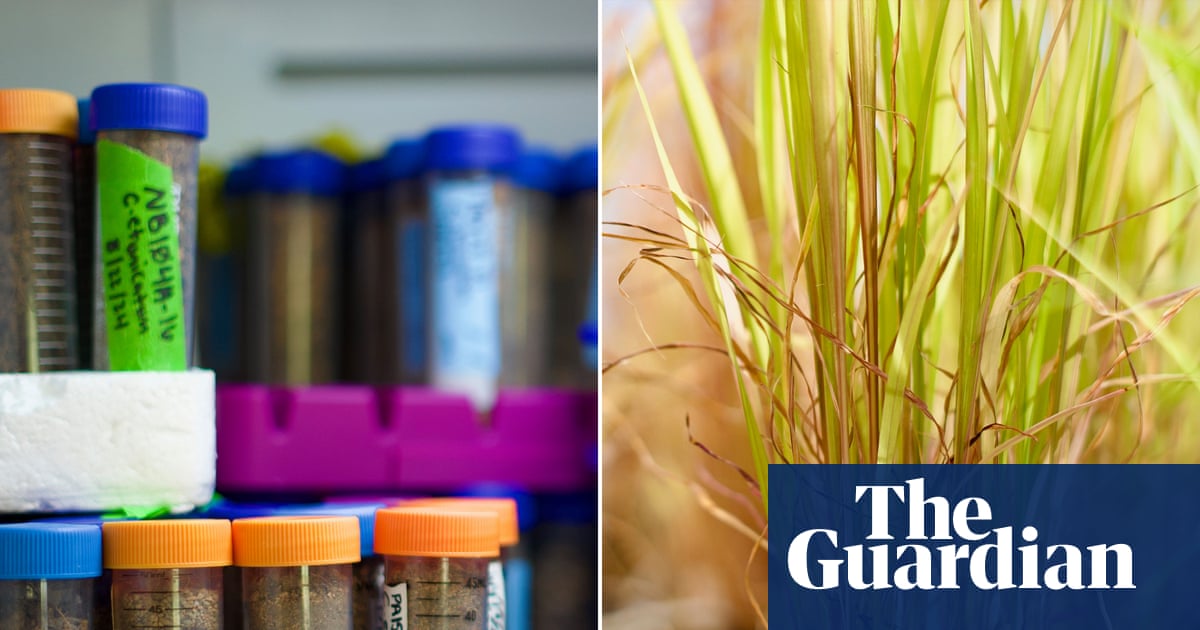
Inside a sprawling greenhouse at the University of Kansas, a dedicated team of researchers is working tirelessly to safeguard a crucial aspect of our ecosystem—arbuscular mycorrhizal (AM) fungi. Led by Professor Liz Koziol and Dr. Terra Lubin, they cultivate sudan grass plants, each hosting specific strains of these invisible soil fungi. However, the future of the International Collection of Vesicular Arbuscular Mycorrhizal Fungi (INVAM), the world’s largest repository of living soil fungi, hangs by a thread due to looming federal budget cuts.
The Value of INVAM
Established over four decades, INVAM is not merely a collection of fungal spores; it is a living library that chronicles hundreds of millions of years of evolution. Leading mycologist Toby Kiers articulates the gravity of this situation, likening the potential closure of INVAM to the shuttering of the Louvre for artists. The loss of this collection would be catastrophic for mycological research and, by extension, the health of our ecosystems.
- Essential Role of AM Fungi: AM fungi are symbiotic organisms critical for the growth of about 70% of terrestrial plant species. They enhance nutrient uptake, bolster plant resilience against stressors, and play a significant role in carbon sequestration.
- Research Hub: INVAM maintains over 900 distinct fungal strains collected from six continents, making it an irreplaceable resource for scientists worldwide.
- Environmental Impact: These fungi are indispensable in restoring degraded ecosystems, improving soil health, and reducing reliance on artificial fertilizers.
Funding Woes and a Grim Outlook
Funding for INVAM has always depended on federal grants, with its latest support from the National Science Foundation (NSF) ceasing in May. As the team prepares a new funding proposal, the outlook is bleak, especially considering proposed budget cuts that threaten the very existence of this vital resource. The current administration’s focus on slashing NSF funding by 57% raises serious concerns about the future of public scientific research.
Without immediate financial support, INVAM may only be able to survive for another year. As curator Jim Bever acknowledges, the potential closure of INVAM is a harsh reality that cannot be ignored. Currently, the collection is functioning on temporary grants and volunteer labor, an unsustainable model that cannot ensure its longevity.
The Commercial Biofertilizer Dilemma
While INVAM prepares small batches of AM fungal spores for research and land management, the commercial biofertilizer market presents a troubling contrast. A study conducted by Bever and colleagues found that 87% of commercial products marketed as AM fungal biofertilizers fail to effectively colonize plant roots. This is a significant issue when considering that the global market for these products stands at $1.29 billion, much of which is wasted on ineffective solutions.
- Lack of Regulation: The commercial market is poorly regulated, leading to widespread quality issues.
- Expertise Deficit: Many producers lack the necessary expertise to handle and distribute these delicate organisms effectively.
- Public Research Struggles: The public research infrastructure that could provide reliable solutions is under threat, further complicating the situation.
The Promise of Quality Biofertilizers
Despite the challenges posed by commercial biofertilizers, research has demonstrated the significant potential of AM fungi. For instance, a field research plot near INVAM has transformed from a degraded hay field into a vibrant ecosystem, showcasing the power of these fungi in restoring biodiversity. This change is particularly vital as modern agriculture often decimates AM fungi, necessitating their reintroduction for successful ecosystem restoration.
Building on their successes, Bever and Koziol see opportunities for applying AM fungi in sustainable farming practices, such as prairie strips that enhance soil health and biodiversity. Their work emphasizes the need for a national policy to reinoculate farmland with native mycorrhizal fungi, which could dramatically improve agricultural productivity while addressing environmental concerns.
A Call to Safeguard Our Fungal Future
The imperative to protect INVAM and its invaluable collection of fungi cannot be overstated. Leading scientists agree that the loss of this resource would be an incomprehensible tragedy, as it holds the key to addressing numerous ecological challenges. The future of sustainable agriculture, climate change strategies, and ecosystem restoration is intricately linked to the preservation of our fungal heritage.
As we consider the implications of potential funding cuts and the importance of innovative solutions, it’s clear that we must advocate for the continued support of collections like INVAM. The fate of our ecosystems may very well depend on it.
For those interested in further exploring this critical issue, I encourage you to read the original news article here.