



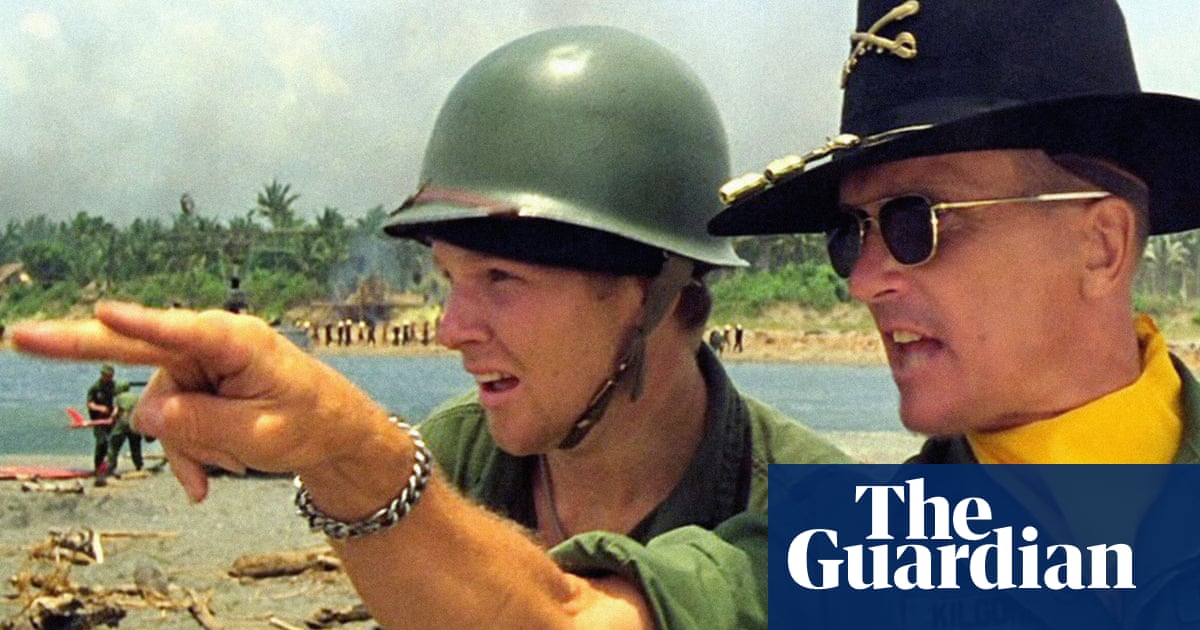
Robert Duvall and the Legacy of Lt Col Kilgore
The recent passing of actor Robert Duvall has reignited discussions about his remarkable contributions to cinema, particularly his iconic role as Lt Col Bill Kilgore in Apocalypse Now. This character remains one of the most memorable portrayals in film history, famously declaring, “I love the smell of napalm in the morning.” But there’s more to this character than just a great line; he was inspired by a real officer from the Vietnam War, Lt Col John B. Stockton.
The Real-Life Inspiration Behind Kilgore
While Duvall’s performance earned him accolades, including BAFTA and Golden Globe awards, the roots of Kilgore run deeper than fiction. Lt Col John B. Stockton was a larger-than-life figure, much like the character Duvall played:
- Stockton wore a black Stetson, much like Kilgore.
- He had a unique personal style, carrying documents in leather saddlebags and bringing his pet mule, Maggie, to Vietnam.
- He famously played Wagner’s music from his helicopter before engaging in battle.
These quirks not only highlight Stockton’s personality but also reflect the military culture of that era, where officers sought to embody the image of the cavalryman.
The Cavalry Connection
The Vietnam War introduced new tactical doctrines, significantly influenced by the swift mobility reminiscent of cavalry units from earlier American history. This was a period where helicopters transformed military operations:
- Helicopters were initially used for medical evacuations during the Korean War.
- Lt Gen James “Jumpin’ Jim” Gavin pioneered the concept of using helicopters for troop transport, shifting the battlefield approach.
- The Air Cavalry was established in 1965, making use of helicopters to deliver soldiers efficiently and effectively.
Stockton’s embrace of this cavalry heritage not only shaped his identity as a commander but also resonated with his troops, who appreciated the old-school bravado he brought to the modern battlefield.
Controversy and Legacy
Stockton’s career was not without its controversies. During the Battle of Ia Drang in 1965, he made a daring decision to send reinforcements against direct orders, ultimately saving numerous lives. This act of defiance, while heroic, led to his removal from command, illustrating the tension between military obedience and the instinct to protect one’s men.
Despite this setback, Stockton was respected by those he commanded, seen as a champion for the ordinary soldier. He passed away in 1997, leaving behind a complex legacy that intertwines with Duvall’s cinematic portrayal.
Conclusion
Robert Duvall’s Kilgore will forever be etched in the annals of film history, not just as a character but as a representation of the real-life complexities faced by military leaders during Vietnam. The intertwining of fiction and reality in this narrative serves as a poignant reminder of the sacrifices made and the stories that continue to resonate.
For those who wish to delve deeper into the story of Robert Duvall and the real Lt Col Stockton, I encourage you to read the original news article here.