



The Cultural Assault in Afghanistan: The Taliban’s War on Music
As I reflect on the current situation in Afghanistan under Taliban rule, it becomes increasingly clear that their regime is not just a political nightmare but a profound cultural catastrophe as well. The recent enactment of laws that effectively legalize domestic abuse and the systematic attack on artistic expression signify a dark era for the nation’s women and its cultural heritage.
The Destruction of Musical Heritage
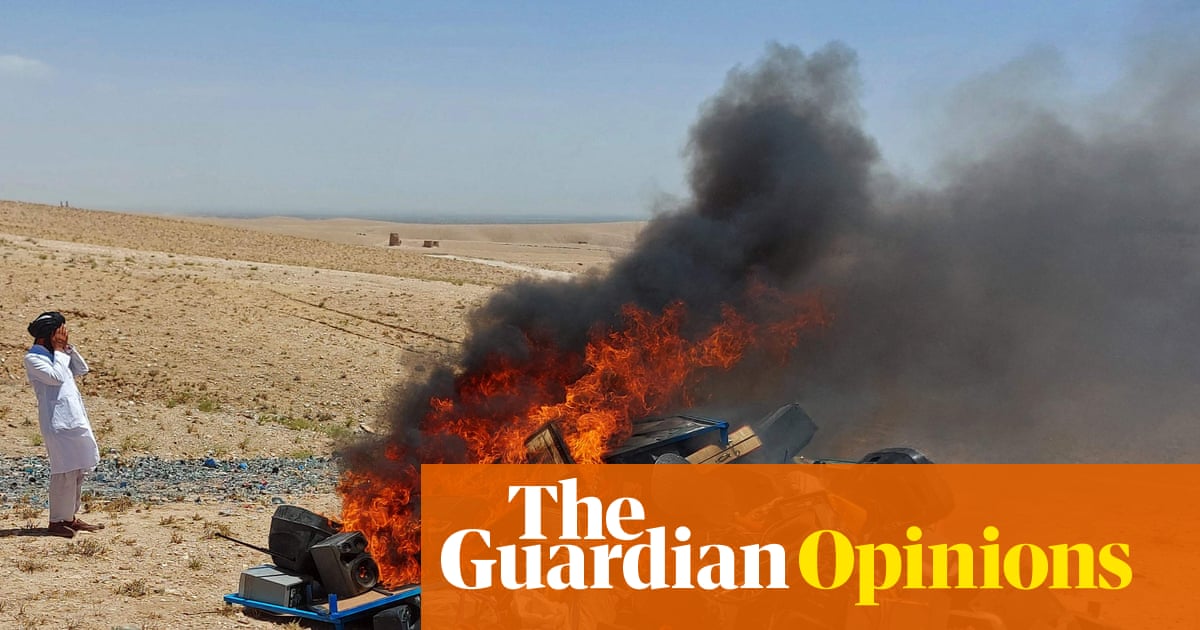
One of the most shocking developments is the Taliban’s blatant assault on music, which they deem “morally corrupt.” This has culminated in the burning of musical instruments, including essential items like tablas and harmoniums, which are foundational to Afghanistan’s rich musical tradition. The broader implications of this act cannot be overstated.
- War on Music: The Taliban has outlawed music entirely, criminalizing not only the performance but also the mere act of listening.
- Fear Among Musicians: Artists now live in constant anxiety of discrimination, humiliation, and potential violence, including severe punishments for women.
- Cultural Erasure: The destruction of instruments is not merely a physical act; it signifies an attempt to erase a culture that has thrived for generations.
As Sarah Dawood points out in her analysis for Index on Censorship, the implications of these actions extend beyond music—they reflect a broader effort to establish a Sharia-compliant society devoid of artistic expression.
The Resilience of Afghan Musicians
Despite the oppression, the spirit of Afghan music endures, exemplified by the courageous women of the Zohra orchestra, now based in Portugal. These musicians are not just preserving their cultural heritage; they are advocating for the musical rights of all Afghans.
- Global Support: We must keep their music alive in our consciousness by actively listening to their works.
- Musical Riches: The Zohra orchestra blends Western orchestral music with traditional Afghan instruments, showcasing a heritage that is at risk of being lost forever.
- Listening as Activism: By engaging with their music, we can stand in solidarity with those who are silenced.
Listening Beyond Borders
Listening to the compositions of Afghan artists, such as Meena Karimi’s “Dawn,” dedicated to women’s struggles for equality, is an act of defiance and hope. It is crucial that we amplify these voices, particularly when they are stifled by oppressive regimes.
The Legacy of Eliane Radigue
In a related reflection on the world of music, the recent passing of the legendary composer Eliane Radigue at the age of 94 reminds us of the power of sound. Her innovative work with synthesizers and acoustic instruments encouraged a deeper understanding of listening itself.
- Pioneering Spirit: Radigue’s music pushed the boundaries of traditional composition, inviting listeners to experience sound in new and profound ways.
- Emotional Depth: Her compositions, such as “Trilogie de la Mort,” exemplify how sound can evoke a rich tapestry of emotions and reflections.
Conclusion: A Call to Action
The current cultural landscape in Afghanistan is dire, and the eradication of its musical heritage is but one facet of a broader humanitarian crisis. As we reflect on these issues, it is imperative that we support the voices of Afghan musicians, celebrate their resilience, and recognize the urgent need for cultural preservation.
For those who wish to delve deeper into the original article and the full scope of these cultural struggles, I encourage you to read the source material here.