



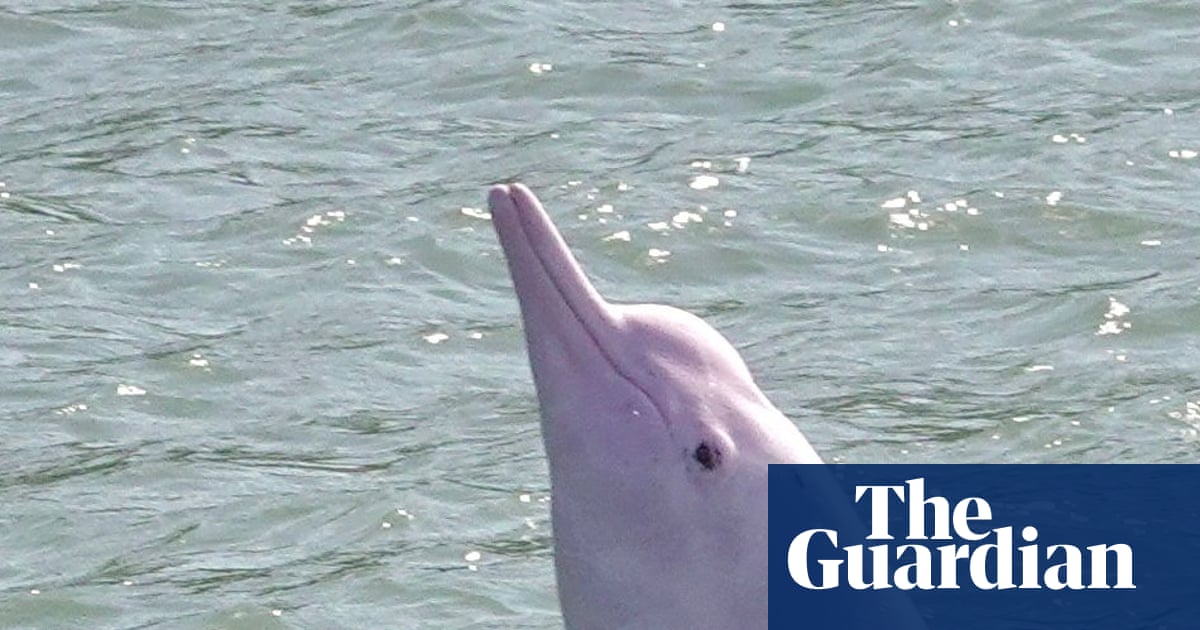
Toxic E-Waste: A Growing Concern for Marine Life
Recent research has unveiled a troubling reality: toxic chemicals from electronic waste, specifically from screens of televisions, computers, and smartphones, are infiltrating the brains and bodies of endangered dolphins and porpoises in the South China Sea. This discovery raises significant concerns about the impact of our technological advancements on marine ecosystems and human health.
The Discovery of Liquid Crystal Monomers (LCMs)
The study, published in Environmental Science & Technology, identified alarming levels of gene-altering liquid crystal monomers (LCMs) in the tissues of Indo-Pacific humpback dolphins and finless porpoises. LCMs are synthetic chemicals integral to the functioning of displays, yet their persistence in the environment poses a dire threat.
Environmental Implications
According to Yuhe He, a researcher at City University of Hong Kong and one of the study’s authors, the stability of these chemicals is a double-edged sword:
- Stability: Designed to last in electronic devices, making them reliable for consumers.
- Environmental Impact: Their stability contributes to their accumulation in ecosystems, leading to contamination of air, water, and marine life.
Health Risks for Marine Life
The research indicates that dolphins and porpoises are not the only victims; these pollutants have been found in the fish and invertebrates that constitute their diet. This suggests a concerning food chain contamination:
- 62 individual LCMs were screened in various dolphin and porpoise tissues.
- LCMs were notably present in blubber, muscle, liver, kidney, and even brain tissue.
A Red Flag for Human Health
The presence of LCMs in the brains of these marine mammals is particularly alarming. If these chemicals can cross the blood-brain barrier, what does that mean for human health? He warns:
- The potential for similar adverse effects in humans, especially through contaminated seafood or drinking water.
- Urgent action is required to prevent a future public health crisis.
The Growing E-Waste Problem
With 62 million tonnes of electronic waste generated annually, the issue of e-waste has reached critical levels. Fast technology trends contribute to the problem, as consumers often view devices as disposable:
- Manufacturers have shifted from LCMs to LEDs, yet the legacy of LCMs lingers in the environment.
- Stricter regulations on persistent chemicals in electronics are imperative to safeguard both wildlife and human health.
Call to Action
The researchers urge individuals to extend the lifespan of their electronics through repairs and to utilize certified e-waste recycling methods. It is clear that proactive measures are necessary to mitigate the ongoing damage from toxic e-waste.
This research serves as a critical warning. If we do not act swiftly, we risk facing dire consequences not only for marine life but for our own health.
For more detailed information, please read the original news article here.