



Spain Faces Nationwide Train Drivers’ Strike Amid Safety Concerns
This week has been a tragic one for Spain’s railway system, as the country grapples with the aftermath of two deadly train accidents that have claimed the lives of at least 46 individuals, including two drivers. In light of these horrific incidents, Spain’s largest train drivers’ union has declared a three-day nationwide strike to address urgent safety issues affecting both workers and passengers.
Recent Tragedies Highlight Rail Safety Issues
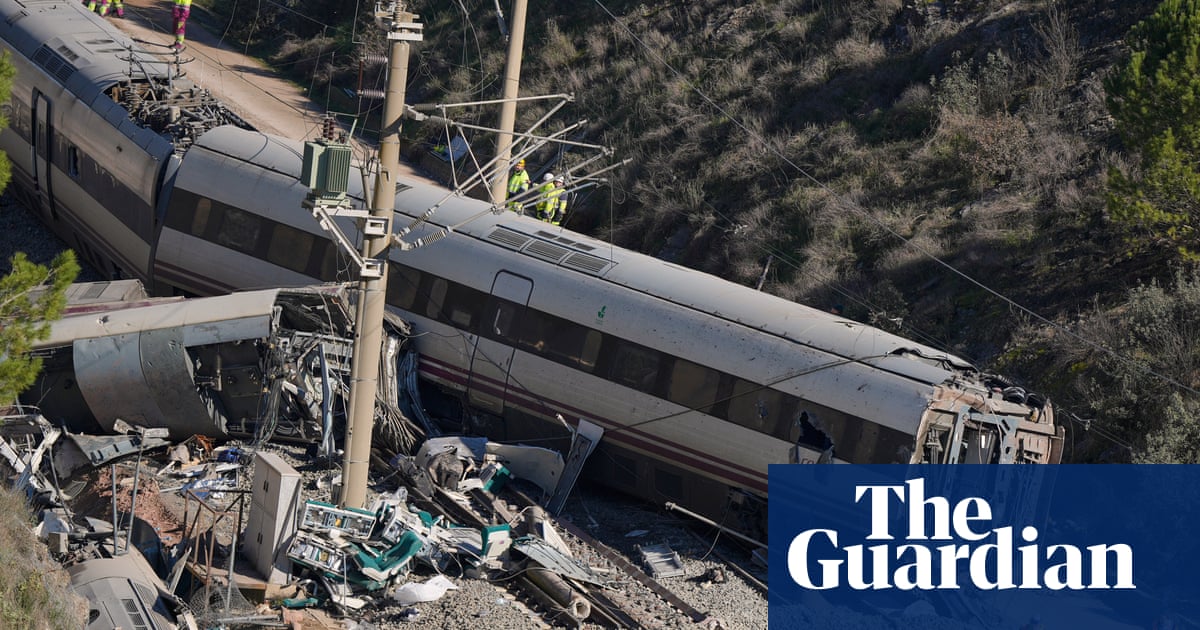
The collision between two trains near Adamuz, which occurred on Sunday, has seen the death toll rise from 43 to 45, with two additional bodies recovered from the crash site. Just two days later, another tragic incident in Catalonia resulted in the death of a driver and injuries to 37 others due to a train derailment caused by a collapsed retaining wall. These incidents have sparked outrage and concern over the safety of Spain’s rail infrastructure.
In a separate but related incident, a commuter train in Murcia crashed into a crane, fortunately resulting in only minor injuries. Authorities attributed this crash to an unauthorized crane on the tracks, further underscoring the need for stringent safety measures.
Union’s Response: A Call for Action
The Spanish railway drivers’ union, Semaf, has taken decisive action by announcing a strike scheduled from February 9 to 11. This is seen as a necessary measure to restore safety standards on the railway system, which the union claims have been neglected for far too long. They emphasize that:
- Their action is the “only legal avenue left” to demand safety improvements.
- Numerous reports of poor track conditions have gone unanswered.
- Recent accidents signify a critical moment for change in railway operations.
Transport Minister Óscar Puente has expressed understanding of the drivers’ concerns but hopes to avert the strikes, emphasizing that the accidents were unrelated and that the Gelida incident had been exacerbated by heavy rainfall.
Investigations Underway: What Lies Ahead?
Investigators are diligently examining the crash sites, particularly in Adamuz, where a 30cm crack in the track is under scrutiny. The ongoing investigations aim to determine the cause of the derailment and whether infrastructure failures contributed to these tragic events.
- Marks on the wheels of the trains suggest prior issues with the tracks.
- Authorities are sending track samples for lab analysis to uncover the truth.
- The process of uncovering the root cause will be complex and time-consuming.
Political Reactions: A Divided Response
As the nation mourns, political tensions have surfaced. The far-right Vox party has seized the opportunity to criticize the government, claiming that the accidents reflect a decline in the quality of Spain’s rail services. Their rhetoric suggests a connection between these tragedies and broader issues of government corruption, a stance that has drawn sharp rebukes from the ruling party.
In contrast, the conservative People’s Party (PP) has called for transparency from Minister Puente, demanding accountability during this critical time. The government spokesperson, Elma Saiz, condemned the exploitation of the tragedies for political gain, labeling such actions as inhumane.
Conclusion: The Path Forward
The coming days will be pivotal for Spain’s railway system. The planned strike by train drivers is a clear signal that immediate action is needed to address safety concerns. The tragic events of this week may, in fact, serve as a catalyst for much-needed reforms within the railway sector. Spain must prioritize the safety of its railway operations to regain public trust and ensure the well-being of its citizens.
For those interested in further details, I encourage you to read the original news at the source: The Guardian.