



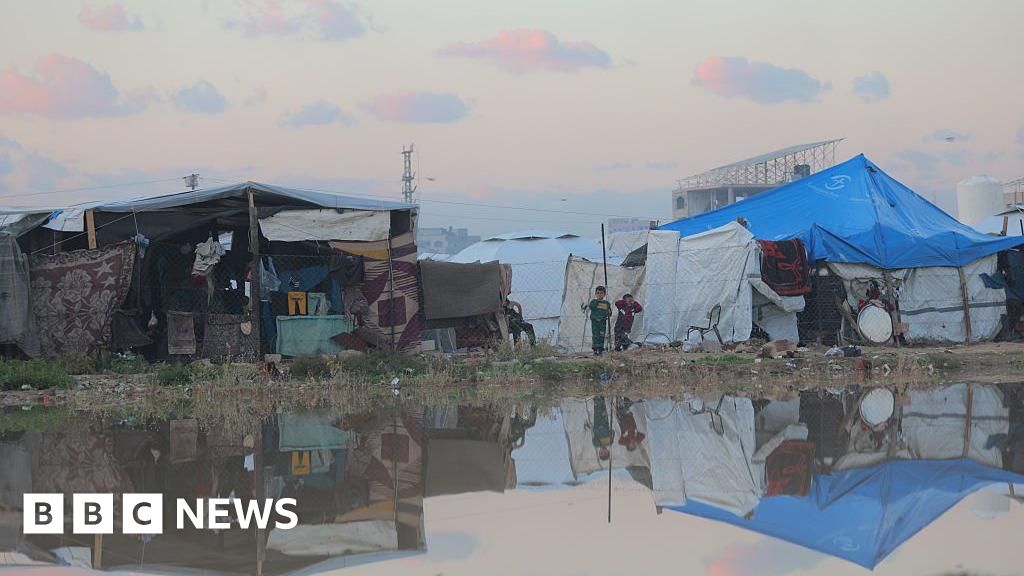
Gaza’s Dire Humanitarian Crisis Amidst Heavy Rains
The situation in Gaza has reached a critical point as heavy rains over the past week have exacerbated the already precarious living conditions for hundreds of thousands of displaced Palestinians. The United Nations agencies have raised alarms about the dire consequences of these weather conditions, highlighting the urgent need for humanitarian assistance.
Unprecedented Weather Challenges
UNICEF spokesman Jonathan Crickx described the overnight weather as “horrendous,” noting that up to 15 cm (6 inches) of water had accumulated in certain areas. The implications of this unprecedented weather are severe, particularly for vulnerable groups such as children living in makeshift shelters.
- Health Risks: Children in wet clothing are at high risk of hypothermia and other illnesses, a concern echoed by health officials.
- Fatalities Reported: The Hamas-run health ministry reported the tragic death of a two-week-old baby from hypothermia, alongside multiple casualties from building collapses due to the severe weather.
Humanitarian Response Efforts
Despite some recent efforts to deliver aid, including tents, blankets, and clothing, the scale of need remains staggering. The UN and its partners estimate that almost 55,000 families have been severely affected by the rains, with many losing their already limited shelter and belongings.
- Emergency Shelters: Over 40 designated emergency shelters were severely flooded, forcing residents to relocate once again.
- Continued Aid Shortages: Although UNICEF has managed to bring in some aid, including winter clothing kits and tents, the demand far outstrips the supply.
The Human Toll of the Crisis
The distressing accounts from the ground paint a grim picture. Crickx observed families struggling to remove water from their shelters, while children remained damp and at risk of illness. With temperatures plummeting to around 7-8°C (45-46°F) at night, the urgency for adequate housing and clothing cannot be overstated.
- Building Collapses: Recent reports indicate that 17 residential buildings have fully collapsed, with many others partially affected.
- Calls for Action: Local voices, such as Ahmed al-Hosari, are calling for international intervention to rebuild homes and provide a stable living environment.
The Broader Context
The humanitarian crisis in Gaza is intertwined with the ongoing conflict between Israel and Hamas. Since the outbreak of hostilities in October 2023, a staggering number of casualties have been reported, with over 70,600 deaths attributed to Israeli attacks.
- Aid Dynamics: The Israeli military body, Cogat, has countered claims of deliberate aid restrictions, asserting that significant amounts of humanitarian supplies are entering Gaza.
- Future Prospects: The second phase of the ceasefire includes plans for reconstruction and governance in Gaza, but the immediate needs remain pressing.
Conclusion
The plight of those in Gaza is a stark reminder of the intersection between climate events and humanitarian crises. As the rains continue to fall, the call for increased and sustained humanitarian assistance becomes ever more vital. The international community must respond decisively to alleviate the suffering of the people in Gaza.
For more detailed information, I encourage you to read the original news article here.