



Reform UK’s Bold Stance on Child Rapists: A Lifelong Sentence Ahead?
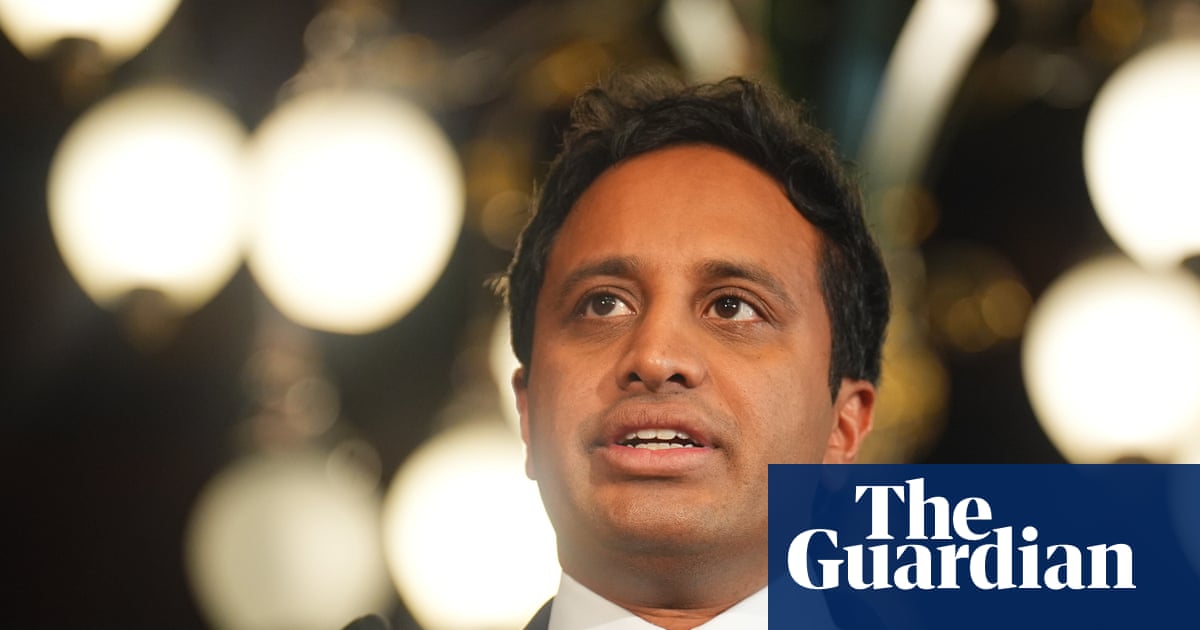
In a significant announcement, Zia Yusuf, the head of policy for Reform UK, has articulated a stringent approach towards child rapists, proposing that those convicted of such heinous crimes would face mandatory whole-life sentences. This move, if enacted, promises to reshape the landscape of justice for child sexual abuse in the UK.
The Policy Proposal
Yusuf’s statement reflects a growing frustration with the current state of child protection under both Conservative and Labour governments. The proposal includes:
- Mandatory Whole-Life Sentences: No possibility of parole for offenders convicted of child rape.
- Historical Crimes: The policy aims to ensure that even historic child sexual abuse cases receive just sentences.
- Deportation and New Prisons: Plans to free up prison space by deporting foreign criminals and constructing additional facilities dubbed “Nightingale prisons.”
Context and Statistics
The urgency of this proposal is underscored by alarming statistics from the Ministry of Justice, which reported 677 convictions for the rape of children under 16 in 2024 alone. Yet, under current sentencing guidelines, the discretion lies heavily with judges, leading to sentences ranging from six to 19 years for such crimes against children under 13. This inconsistency raises pressing questions about the adequacy of our justice system.
The Stain on Our Conscience
Yusuf’s passionate remarks highlight a deep-seated concern within society. He emphasizes that:
- There is a pervasive failure to protect children from grooming gangs.
- Under Conservative rule, the average sentence for child rape has alarmingly diminished to as low as nine years.
- Some offenders have received sentences as brief as four years, sparking outrage among victims’ advocates.
This rhetoric strikes a chord, positioning Reform UK as a party committed to tough, no-nonsense law enforcement for the most egregious offenders. It resonates with a public increasingly concerned about the safety of children.
Criticism and Counterarguments
However, the government has countered these proposals by asserting that sentencing decisions rest with an independent judiciary. They argue:
- Judges are capable of issuing lengthy sentences, including life terms, for severe offenses.
- There is a significant overhaul of child protection measures underway, aiming to treat grooming as an explicit aggravating factor in sentencing.
- The Independent Inquiry into Grooming Gangs is currently seeking answers for victims, indicating a governmental response to these societal issues.
Conclusion
In conclusion, the proposed policy by Reform UK could represent a pivotal shift in how the justice system addresses child sexual offenses. The call for mandatory life sentences highlights a critical need for reform in a system that many feel has failed to adequately protect its most vulnerable citizens. As the election approaches, this issue will undoubtedly remain at the forefront of public discourse, compelling all parties to reevaluate their positions on child safety and justice.
For those interested in a deeper dive into the original announcement and its implications, I encourage you to read the source article here.