



Reform UK and the Controversy Over Football’s Diversity Policies
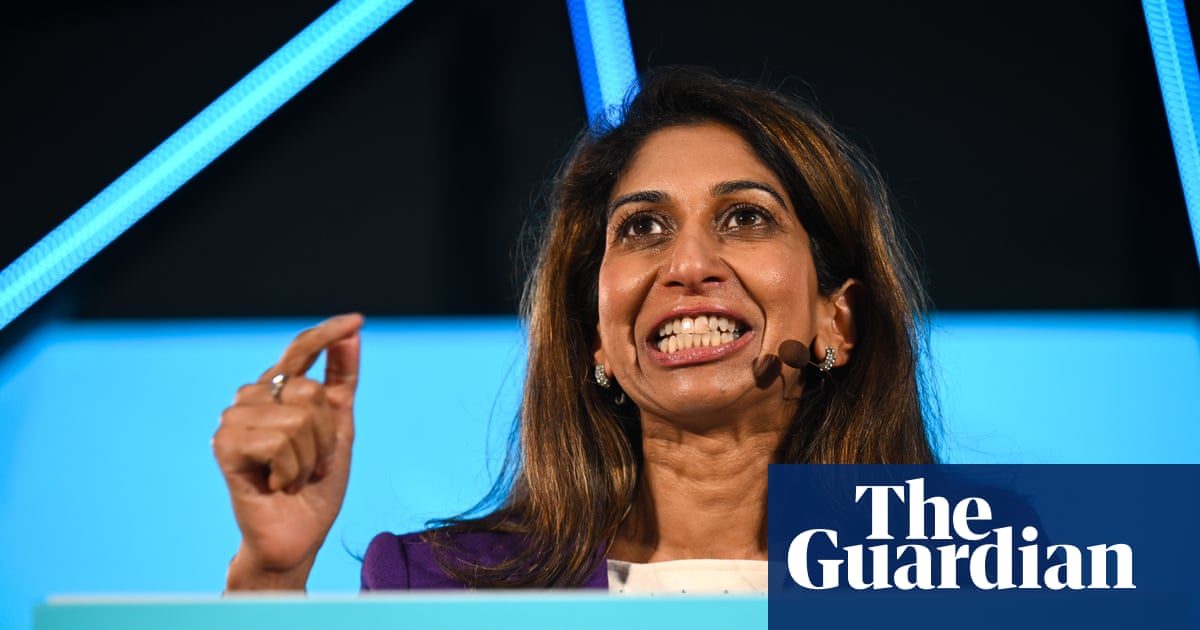
Recent developments have stirred a heated debate regarding the intersection of politics and football in England. Reform UK, led by Suella Braverman, has come under fire for attempting to dismantle the Football Association’s (FA) diversity and inclusion initiatives. As a commentator observing this unfolding situation, I find it critical to dissect the implications of such a confrontation between politics and sports.
The Core of the Controversy
Braverman’s letter to the FA, which labels its diversity policies as “utter woke nonsense,” reflects a growing trend among certain political factions to challenge established social frameworks. Her assertion that the FA’s goals are “fundamentally flawed” and “inherently racist” raises the question of how inclusivity can be perceived as divisive.
According to the FA’s Equality, Diversity, and Inclusion Strategy 2024-2028, the aim is to ensure that by 2028, 30% of coaching staff for the England men’s team come from ethnically diverse backgrounds. Here are some key points to consider:
- Addressing Underrepresentation: The FA’s strategy seeks to rectify the imbalance that currently exists in coaching roles, especially given that 43% of Premier League players are black, yet significantly fewer hold coaching positions.
- Broader Social Responsibility: The FA aims to leverage the unifying power of football to promote inclusivity and community cohesion, which is a core ambition stated by its chief executive, Mark Bullingham.
- Counterarguments: Critics, including Braverman, argue that the focus on ethnicity may overlook other disadvantaged groups, such as white working-class boys, suggesting that such policies may inadvertently foster resentment.
Political Backlash and Public Reaction
The backlash against Reform UK wasn’t limited to the FA’s policies. Fans of Ipswich Town expressed their disgust after Nigel Farage staged a photo opportunity at Portman Road, leading to accusations that the party was injecting “toxic politics” into the realm of sport. Public sentiment reflected a clear disapproval:
- Fan Sentiment: Many Ipswich supporters condemned the photo op, calling it “PR suicide for a family club” and emphasizing that the club remains apolitical.
- Club’s Stance: Ipswich Town issued a statement reiterating its neutrality, distancing itself from any political alignment.
The Broader Implications
The clash between Reform UK and the FA illustrates a significant cultural divide. The FA’s initiatives represent a progressive step towards inclusivity in a sport that has often been criticized for its lack of diversity. Conversely, the political maneuvers by Reform UK signal a resistance to what some perceive as ‘woke culture’ infiltrating traditional spaces.
This discourse prompts us to ponder several critical questions:
- What is the role of sports in society? Should it serve merely as entertainment, or does it have a responsibility to promote social change?
- Can inclusivity efforts coexist with traditional values? How can sports organizations balance their missions with the diverse perspectives of their stakeholders?
As the debate continues, it is essential for all parties to engage in constructive dialogue rather than resorting to accusations. Football, as a beloved national pastime, should ideally unite rather than divide us.
For those interested in delving deeper into the original news report surrounding this controversy, I encourage you to read the full article here.