



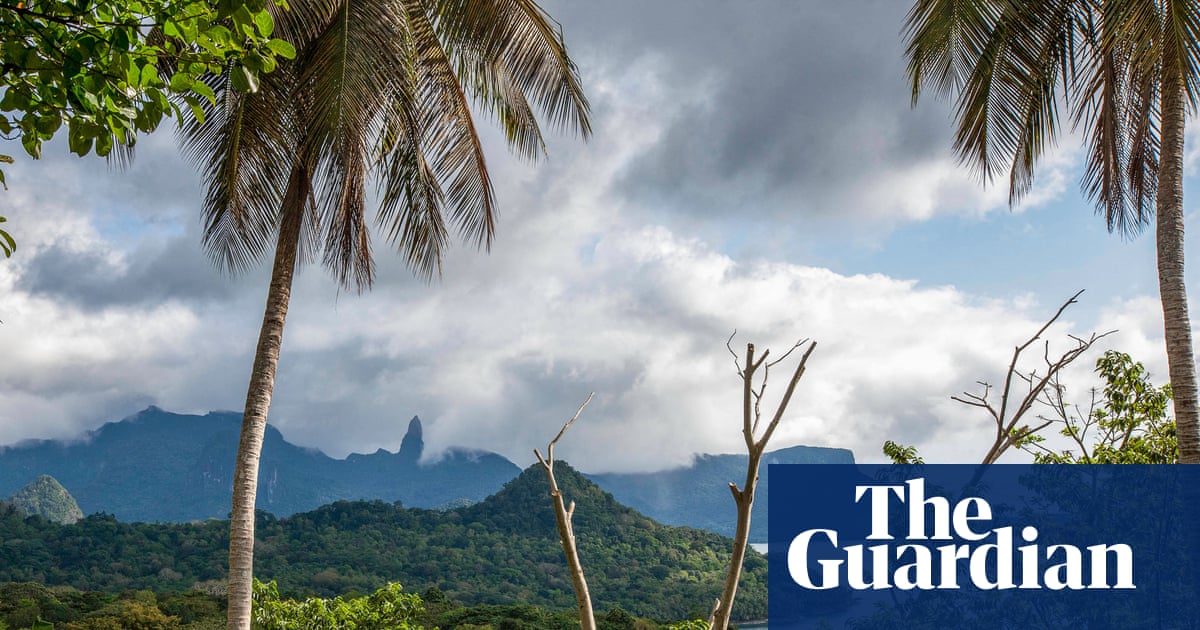
The Transformative Experiment on Príncipe Island
As I delve into the heart of Príncipe Island, a unique social experiment is unfolding, one that intertwines environmental conservation with economic upliftment. The initiative led by the Faya Foundation is not just a financial boon for its participants; it represents a groundbreaking shift in how communities can engage with and protect their natural resources.
A New Era for Villagers
Among the crumbling colonial farms, agricultural worker Kimilson Lima has recently signed an agreement that promises to change the course of his life. For many, including Lima, this project is a beacon of hope. The €816 quarterly dividend is substantial on this island, and it comes with the added benefit of promoting environmental stewardship.
- Transformation of Living Conditions: Lima expressed his excitement, stating, “With this money we can have a proper floor in the house and an inside toilet.”
- Community Participation: With nearly 3,000 villagers participating, over 60% of the adult population is now engaged in this initiative.
Preserving a Unique Ecosystem
Príncipe’s reputation as the “African Galapagos” is well-deserved. Its isolation has fostered a rich biodiversity, where even now, new species are being discovered. The island’s unique flora and fauna are at risk, and this project aims to mitigate those threats while invigorating the local economy.
Challenges and Skepticism
Despite the enthusiasm surrounding this initiative, skepticism still lingers among some locals. Historical disappointments have led to a cautious approach regarding promises of change. Jorge Alcobia, CEO of the Faya project, acknowledges this skepticism, stating that the community has been let down in the past.
- Education and Financial Literacy: There is a learning curve involved in understanding that the dividends are tied to environmental stewardship, such as avoiding unauthorized tree-felling.
- Sustainable Development: Mark Shuttleworth, the driving force behind this initiative, emphasizes that the goal is not merely economic gain but sustainable development that respects the island’s ecology.
A Vision for the Future
This initiative is more than just a financial experiment; it represents a potential model for other regions with fragile ecosystems. As local residents like Clara Gomes invest their dividends in home improvements and skills training, the broader implications for conservation and community empowerment are profound. The hope is that if this model succeeds, it can be replicated in other vulnerable areas around the globe.
Conclusion
As we witness the unfolding of this unique social experiment, it is clear that the intertwining of economic incentives with environmental conservation could pave the way for transformative change. The success of this initiative could very well inspire similar efforts in other irreplaceable ecosystems worldwide.
For those interested in exploring this story further, I encourage you to read the original news article here.