



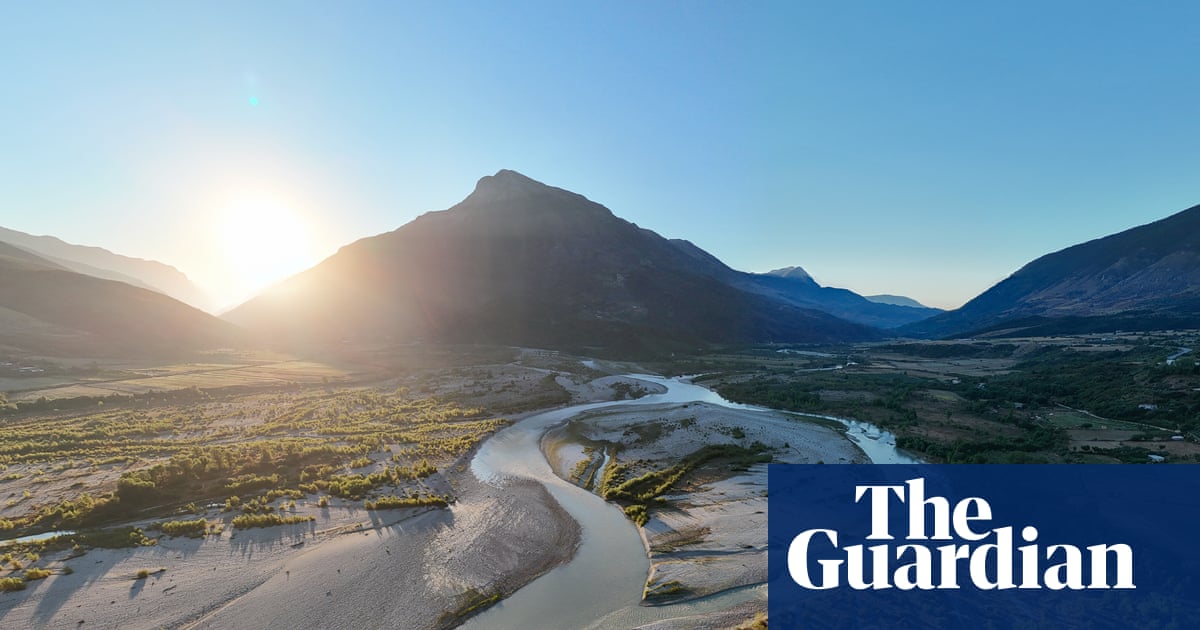
Replanting the Vjosa: A Journey into Conservation
The initiative to plant trees along the Vjosa River begins under the guidance of Pietro, an Italian hydromorphologist who leads a group of approximately 20 volunteers. We find ourselves amidst a makeshift nursery filled with delicate willow and poplar saplings, poised to restore the ecosystem of this magnificent river that flows gracefully across southern Albania.
Pietro demonstrates the careful technique required to remove a young willow from its clay-rich home, emphasizing the importance of preserving its roots. This moment sets the tone for our collective mission: to nurture and protect the fragile environment surrounding the Vjosa.
The Importance of the Vjosa River
This volunteering effort is spearheaded by EcoAlbania and Riverwatch, two conservation organizations that successfully lobbied for the designation of the Vjosa as Europe’s first “wild river national park.” This achievement comes at a crucial time, as research indicates that Albania has lost over 711 miles of nearly natural river stretches since 2018—the highest percentage loss in the Balkans.
As I reflect on this alarming statistic, I cannot help but ponder the implications of such environmental degradation and what lies ahead for the Vjosa and its surrounding areas.
A Dinner of Reflection
On our first evening, we gather for dinner at the Lord Byron guesthouse in Tepelenë, where local delicacies of lamb and homegrown vegetables are served. It’s a delightful prelude to a presentation by Riverwatch’s chief executive, Ulrich Eichelmann. Uli shares a sobering overview of the threats facing Europe’s rivers, particularly the extensive network of dams that disrupt ecosystems and decimate fish populations. His words resonate deeply, underscoring the urgent need for action.
“Tourism is like fire,” Uli warns. “You can prepare your soup with it, but it can also burn your house down.”
The Challenge Ahead
The Vjosa is one of the last wild rivers in the Balkans, and while it remains largely untouched, Uli points out that critical components of its ecosystem are missing. Deforestation due to fires, logging, and aggressive grazing has led to severe erosion and increased flooding risks. Inspired by Uli’s insights, we approach the next day’s planting with renewed determination.
- Our group includes an eclectic mix of passionate individuals: a London-based illustrator inspired by environmental documentaries, a US geospatial analyst with dreams of a thriving Albania, and an Italian student eager to promote eco-tourism.
- During lunch, I meet Aida, a local tour guide aiming to deepen her knowledge of the Vjosa region. She highlights the lack of tourists in this area, which is a shame considering its rich cultural and natural heritage.
Exploring the Vjosa Region
The weather takes a turn as heavy rain descends, transforming our planting zone into a flooded landscape. With the planting temporarily halted, I join fellow volunteers on an impromptu sightseeing adventure. Guided by Aida’s recommendations, we visit the charming town of Përmet and the magnificent Orthodox church of St Mary, nestled in the hills.
Despite the rain, we hike the stunning Langarica canyon, marveling at the natural beauty surrounding us. The next day, the river swells dramatically, prompting me to forgo rafting and instead pursue a soggy hike to a picturesque waterfall nearby. I also venture into Gjirokastër, where the history and architecture captivate me, reinforcing the allure of this region.
Concerns for the Future
In conversations with Olsi Nika, executive director of EcoAlbania, I sense a mix of optimism and concern. While he welcomes tourism, he fears for the future of the Vjosa national park if it becomes overrun by commercial interests. The construction of an airport in the delta, despite the area’s protected status, raises alarms about the balance between conservation and development.
“The government needs to fulfill its management plan for the park,” Olsi emphasizes, reflecting the urgency of responsible stewardship.
A Hopeful Conclusion
As I drive back toward Tirana, I pause at the archaeological site of Apollonia. The solitude allows me to reflect on the enduring changes brought about by the Vjosa. This river, with its untamed spirit, deserves the chance to thrive as a national park, preserving its beauty for future generations.
The journey to protect the Vjosa is just beginning, and I remain hopeful that, with continued efforts, this remarkable ecosystem will endure and flourish.
For more details, you can read the original news article here.