



Channel Tunnel Power Outage: A New Year’s Eve Travel Nightmare
The recent power outage in the Channel Tunnel has caused significant disruptions for thousands of travelers as they head into the New Year celebrations. With trains suspended for hours and passengers left stranded, this incident raises important questions about infrastructure reliability and contingency planning in transportation systems.
Impact on Travelers
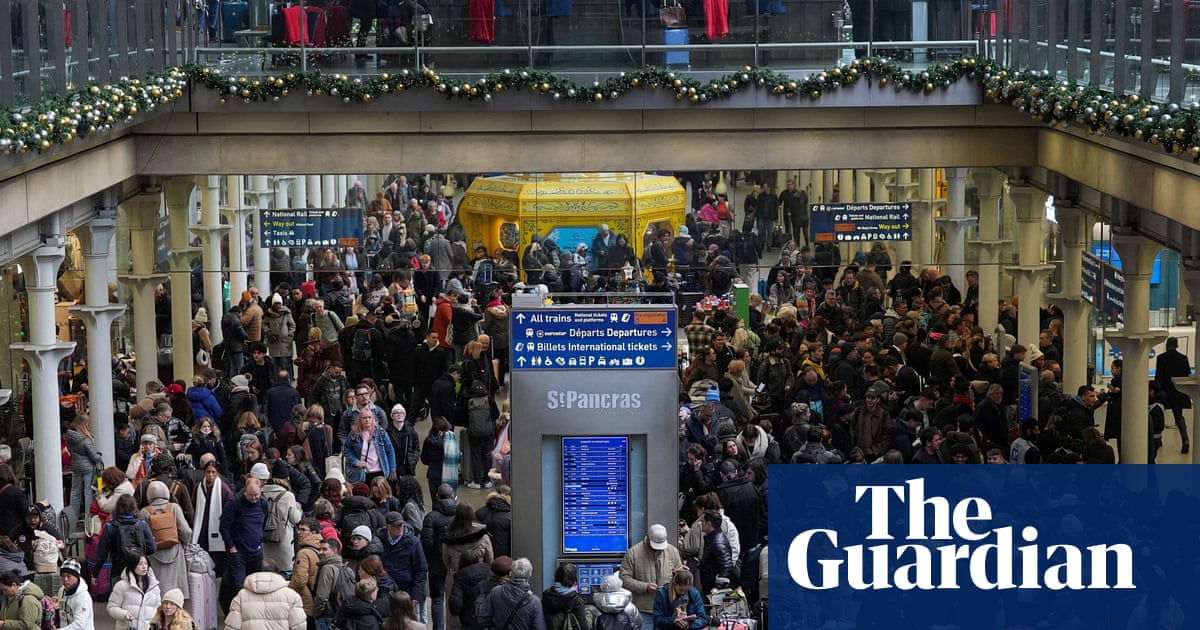
The situation was particularly dire at St Pancras International station in London, where frustrated passengers gathered, waiting for updates on their journey to the continent. The train disruptions have led to:
- Delayed and ultimately cancelled Eurostar foot passenger departures.
- Severe traffic congestion at Folkestone, with reports of up to seven-hour delays for drivers attempting to board the shuttle service.
- Cancellation of planned trips, as evidenced by travelers like Jack Slater, who had to forfeit a long-awaited New Year’s trip to Paris.
These delays not only ruin travel plans but also impose financial burdens, as many are forced to consider expensive upgrades to first-class tickets due to the high demand for rescheduled journeys.
Technical Glitches and Response
The outage, identified as a power supply issue, has raised concerns about the preparedness of Eurostar and Getlink to manage operational hiccups effectively. Despite efforts to restore service on one of the two tracks, the reality is that:
- Trains are running in alternating directions, leading to extended journey times.
- Passengers are advised to postpone their travel, with only a limited number of trains available.
- Reports of overhead electrical cables strewn across the tracks highlight serious infrastructure vulnerabilities.
Eurostar’s advice for travelers to rebook their journeys without penalty is a positive step, but it underscores a larger issue: how well transportation networks are equipped to handle unexpected failures.
Passenger Accounts: A Frustrating Experience
The voices of those affected reveal a common theme of frustration and helplessness. For instance:
- Matt Orien, visiting from Seattle, expressed disappointment but acknowledged the support of friends in navigating the situation.
- Betty Ndukaeze described the chaos and confusion at St Pancras, emphasizing the lack of timely communication from officials.
Such personal accounts illustrate the human cost of logistical failures and the emotional toll it takes on passengers who had hoped to celebrate the New Year in a different city.
Mitigation Efforts and Future Considerations
In the wake of the outage, measures have been introduced to alleviate the burden on stranded travelers:
- Eurostar has offered free exchanges for travel and compensation for delays.
- Alternative travel options, such as ferry services from Dover, have been suggested for those unable to board the shuttle.
- LNER is providing free rides for stranded passengers looking to return home.
However, the question remains: How can transportation companies improve their contingency plans to prevent such widespread disruption in the future? This incident should serve as a wake-up call to prioritize infrastructure integrity and customer service protocols.
Conclusion
The Channel Tunnel power outage serves as a stark reminder of the fragility of our transportation systems, especially during peak travel times. As we approach the New Year, it’s crucial for companies like Eurostar and Getlink to evaluate their operational strategies and ensure they are equipped to handle emergencies more effectively. Passengers deserve a seamless travel experience, and it is up to service providers to deliver on that promise.
For more details, read the original news article here.