



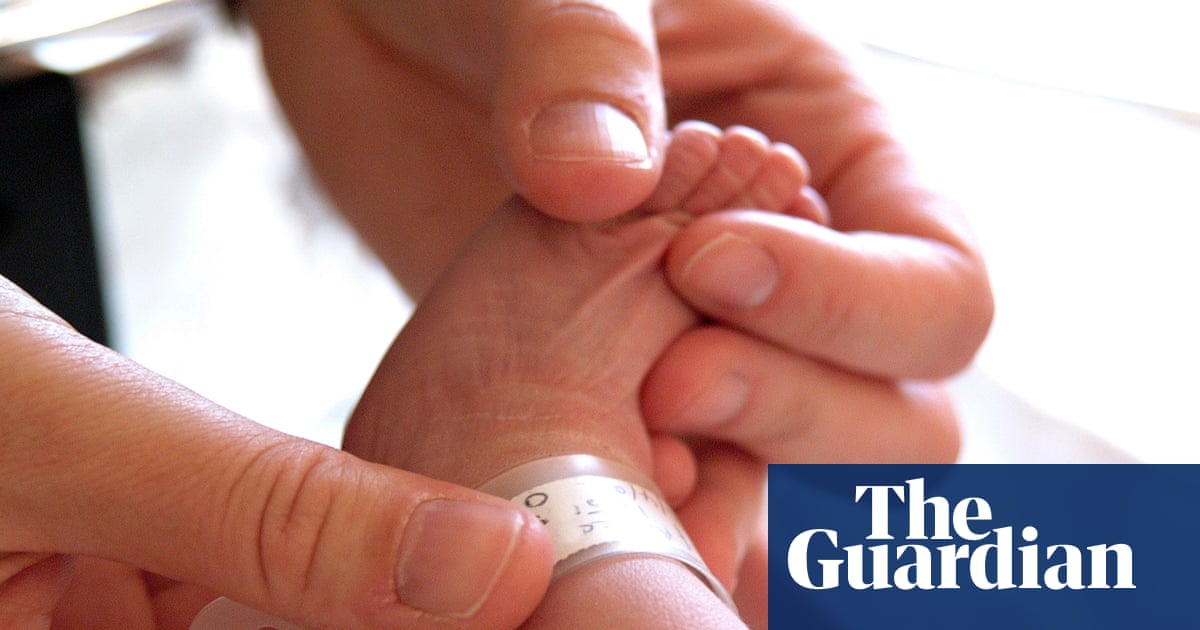
Supreme Court Ruling: A Turning Point for Childbirth Negligence Claims
The recent Supreme Court ruling has ignited a significant shift in the landscape of medical negligence claims related to childbirth in England. This ruling not only rectifies a long-standing injustice but also poses new financial challenges for the NHS. Let’s delve into the implications of this decision and what it means for future cases.
Understanding the Ruling
On Wednesday, the court determined that children who suffer catastrophic injuries during childbirth can now claim compensation for lost future earnings. This is particularly pertinent for those whose life expectancy is curtailed due to negligence during the birthing process. In essence, the ruling recognizes the financial impact of such injuries on the victims and their families.
- Historic Injustice Corrected: The ruling addresses a disparity that has existed for over 40 years, where children could not make claims for lost years of potential earnings.
- Case Background: The case involved a girl, referred to as CCC, who suffered severe brain damage due to negligence during her birth, resulting in lifelong disabilities.
- Financial Implications: The NHS is now facing the prospect of increased compensation payouts, adding to its already staggering liabilities of £60 billion due to medical negligence.
The Broader Impact
This ruling could lead to a substantial rise in the costs associated with childbirth negligence claims. As highlighted by James Drydale, the lawyer representing CCC, this decision will undoubtedly result in more compensation claims, reflecting the severity of life-altering injuries suffered by children.
- Increased Settlements: Families affected by childbirth negligence will now have a clearer pathway to seek comprehensive compensation.
- Long-term Financial Strain: The NHS will need to navigate these rising costs while continuing to provide care, raising concerns about resource allocation.
- Call for Prevention: Experts emphasize that the best way to mitigate these costs is to prevent harm from occurring in the first place, rather than simply addressing the aftermath.
Reactions from the Legal Community
The response from the legal community has been overwhelmingly positive. Many view this ruling as a crucial step towards ensuring that the rights of children are treated with the same seriousness as those of adults in negligence cases.
- Legal Precedent: The ruling overturns the previous legal standards set by the 1981 case of Croke v Wiseman, which had limited children’s rights in negligence claims.
- Future Cases: The high court will now determine further damages for CCC’s family, focusing on her potential earnings and pension contributions based on average life expectancy.
Conclusion: A Necessary Change
This ruling is not just a legal victory; it is a moral imperative that acknowledges the struggles of families grappling with the consequences of medical negligence. While the financial implications for the NHS are concerning, the emphasis should be on improving patient safety and reducing the risk of such tragedies occurring in the first place.
For those interested in a more detailed understanding of this landmark ruling, I encourage you to read the original news article here.