

Close Menu
Mirror Brief

    Subscribe to Updates

    Get the latest creative news from FooBar about art, design and business.

    What's Hot

    Analysis Reveals US Agency Overlooked Safety Checks for Over 100 Food Ingredients

    March 8, 2026

    Recent Developments on Middle East Airspace Restrictions for Travelers

    March 8, 2026

    Trump Informs Starmer That Assistance Is Unnecessary Despite US Utilizing UK Bases for Iran Operations

    March 8, 2026
    Facebook X (Twitter) Instagram
    Mirror BriefMirror Brief
    Trending
    • Analysis Reveals US Agency Overlooked Safety Checks for Over 100 Food Ingredients
    • Recent Developments on Middle East Airspace Restrictions for Travelers
    • Trump Informs Starmer That Assistance Is Unnecessary Despite US Utilizing UK Bases for Iran Operations
    • Boxing Club Believed Jake Paul’s Support Was Insincere
    • Tim Peake Inspires Scouts at Hut Inauguration
    • Trump Facilitates Return of U.S. Troops Lost in Iranian Drone Attack
    • Albies’ Dramatic Walk-Off Secures Victory for Netherlands in World Baseball Classic
    • Chair of Parliament’s Refurbishment Defends Possible £40 Billion Expenses
    Sunday, March 8
    • Home
    • Business
    • Health
    • Lifestyle
    • Politics
    • Science
    • Sports
    • World
    • Travel
    • Technology
    • Entertainment
    Mirror Brief
    Home»Science»New Insights into the World’s First Documented Pandemic Revealed by Mass Grave in Jordan
    Science

    New Insights into the World’s First Documented Pandemic Revealed by Mass Grave in Jordan

    By Li WeiJanuary 31, 2026No Comments3 Mins Read
    Share Facebook Twitter Pinterest LinkedIn Tumblr Reddit Telegram Email
    New Insights into the World’s First Documented Pandemic Revealed by Mass Grave in Jordan
    Share
    Facebook Twitter LinkedIn Pinterest Email

    The Plague of Justinian: Uncovering the Past

    The Plague of Justinian: Uncovering the Past

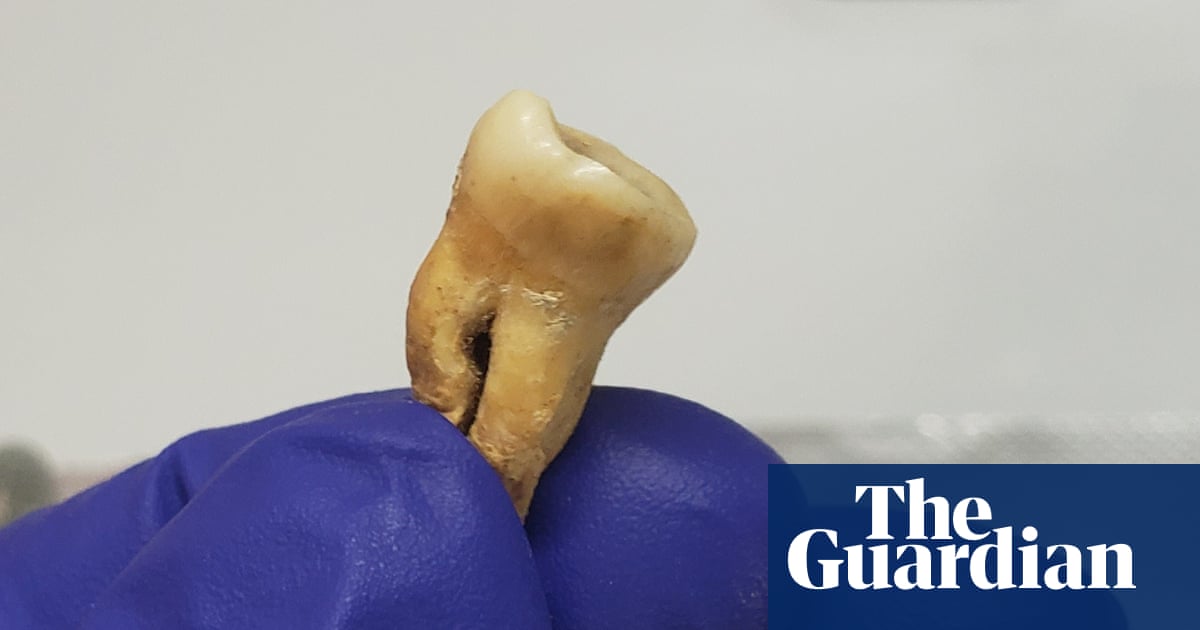
    The recent discovery by a US-led research team sheds light on the first mass grave associated with the early pandemic known as the Plague of Justinian. This monumental finding not only deepens our understanding of a devastating period in history but also provides valuable insights into the social dynamics of pandemics. The data presented in the February issue of the Journal of Archaeological Science opens a window into the lives of individuals during a time of crisis.

    A Window into History

    The research, conducted at Jerash in modern-day Jordan, reveals that the mass burial site represents a singular mortuary event rather than the gradual accumulation typical of traditional cemeteries. This suggests that the citizens of Jerash faced an immediate and overwhelming crisis. The findings highlight:

    • Urban Vulnerability: The study illustrates how densely populated trade hubs like Jerash were particularly susceptible to pandemics.
    • Diverse Demographics: The remains indicate a varied mix of victims, including men and women of all ages, showcasing the indiscriminate nature of the disease.
    • Social Disruption: Much like our modern experiences with COVID-19, individuals were brought together in crisis, demonstrating the transient nature of populations during times of distress.

    Linking the Past to the Present

    Rays Jiang, the study’s lead author, eloquently stated, “Pandemics aren’t just biological events, they’re social events.” This perspective is crucial as it underscores the human experience during such historical crises. By integrating biological evidence with archaeological context, we gain a fuller understanding of how disease impacted society. Jiang emphasizes:

    • Historical Context: Ancient pandemics thrived in urban environments shaped by travel and environmental changes.
    • Lessons for Today: Understanding the social dimensions of pandemics can inform our responses to contemporary health crises.

    Challenging Historical Narratives

    This research also confronts ongoing debates regarding the existence and impact of the Plague of Justinian. Some skeptics argue that historical records do not indicate a significant population decline or economic disruption. Jiang counters these claims by pointing to the genetic evidence of Yersinia pestis found at the site, asserting:

    • Empirical Evidence: The existence of a mass grave provides tangible proof of the plague’s impact.
    • Separation of Events: The effects of the pandemic do not necessarily correlate with societal collapse, which complicates our understanding of historical narratives.

    Conclusion

    As we reflect on this groundbreaking research, it becomes clear that studying past pandemics can offer essential lessons for navigating our current health challenges. The Plague of Justinian serves as a potent reminder of the interconnectedness of health, society, and history. For those interested in exploring more about this significant discovery, I encourage you to read the original news article at The Guardian.

    Share. Facebook Twitter Pinterest LinkedIn Tumblr Email
    Previous ArticleMolly Ringwald Reveals John Hughes’ Stance Against Remakes of His Films
    Next Article The Extent of U.S. Influence on Venezuela’s Oil Industry
    Li Wei

    Li Wei is a science and innovation reporter at Mirror Brief, covering space, biotech, and scientific breakthroughs for seven years. She explains technical advances without the fluff.

    Related Posts

    Science

    Tim Peake Inspires Scouts at Hut Inauguration

    March 8, 2026
    Science

    Study Reveals Humanity Is Accelerating Planetary Heating Like Never Before

    March 7, 2026
    Science

    The Vanishing Sheep: From Our Hills to Our Dinner Plates

    March 7, 2026
    Medium Rectangle Ad
    Health

    Analysis Reveals US Agency Overlooked Safety Checks for Over 100 Food Ingredients

    Omar KhalidMarch 8, 2026

    Critical Safety Gaps in Food Regulations: An Analysis Critical Safety Gaps in Food Regulations: An…

    Recent Developments on Middle East Airspace Restrictions for Travelers

    March 8, 2026

    Trump Informs Starmer That Assistance Is Unnecessary Despite US Utilizing UK Bases for Iran Operations

    March 8, 2026

    Boxing Club Believed Jake Paul’s Support Was Insincere

    March 8, 2026
    Blog Posts

    Analysis Reveals US Agency Overlooked Safety Checks for Over 100 Food Ingredients

    March 8, 2026

    Recent Developments on Middle East Airspace Restrictions for Travelers

    March 8, 2026

    Trump Informs Starmer That Assistance Is Unnecessary Despite US Utilizing UK Bases for Iran Operations

    March 8, 2026

    Boxing Club Believed Jake Paul’s Support Was Insincere

    March 8, 2026

    Subscribe to Updates

    Get the latest creative news from FooBar about art, design and business.

    Medium Rectangle Ad
    About Us

    Welcome to Mirror Brief — your trusted lens into the stories shaping our world. From breaking news to in-depth analysis, we bring clarity, context, and perspective across a wide spectrum of global topics. Our mission is simple: to keep you informed, engaged, and inspired with reporting that’s accurate, timely, and thought-provoking.

    Top Picks

    Analysis Reveals US Agency Overlooked Safety Checks for Over 100 Food Ingredients

    March 8, 2026

    Recent Developments on Middle East Airspace Restrictions for Travelers

    March 8, 2026
    Recent Posts
    • Analysis Reveals US Agency Overlooked Safety Checks for Over 100 Food Ingredients
    • Recent Developments on Middle East Airspace Restrictions for Travelers
    • Trump Informs Starmer That Assistance Is Unnecessary Despite US Utilizing UK Bases for Iran Operations
    • Boxing Club Believed Jake Paul’s Support Was Insincere
    • About Us
    • Disclaimer
    • Get In Touch
    • Privacy Policy
    • Terms and Conditions
    © 2025 Mirror Brief. All rights reserved.

    Type above and press Enter to search. Press Esc to cancel.