



Analysis of Scotland’s 2026-27 Budget: A Balancing Act
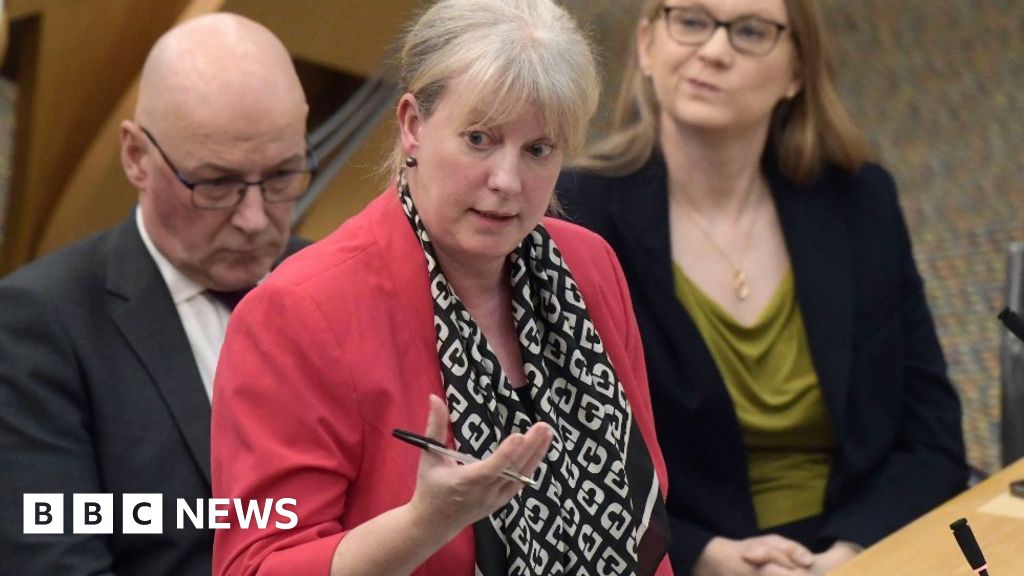
The recent announcement by the Scottish government regarding the Budget for 2026-27 has stirred a mix of reactions across the political spectrum. Finance Secretary Shona Robison outlined plans that include adjustments to income tax thresholds and the introduction of a new tax on high-value homes. This Budget, amounting to £68 billion, sets the stage for the upcoming Holyrood elections, making its implications even more significant.
Key Features of the Budget
Robison’s proposals aim to reshape the tax landscape in Scotland, with her assertion that 55% of taxpayers will pay less income tax than their counterparts in the rest of the UK. Here are the main highlights:
- The basic income tax threshold will rise from £15,398 to £16,537, and the intermediate rate threshold will increase from £27,492 to £29,527.
- A new council tax for homes valued over £1 million will be introduced, promising increased revenue for councils.
- The Scottish Child Payment will increase to £40 a week for families with children under one from 2027-28.
- Investment in roads, public transport, and a £1.5 billion efficiency savings plan through public sector reform.
Mixed Reactions from Opposition Parties
While some opposition MSPs welcomed specific measures, they expressed concerns that the Budget lacks the transformative reforms needed for Scotland. Critiques have included:
- The Scottish Conservatives criticized the government for prioritizing welfare over work, arguing that the Budget does little for middle earners.
- Labour’s finance spokesperson, Michael Marra, called the proposals insufficient for real change and highlighted the government’s failure to manage Scotland’s finances effectively.
- The Scottish Greens appreciated the mansion tax and childcare support but were disappointed with the limited changes to childcare eligibility rules.
Economic Implications and Future Prospects
Economists have voiced skepticism about the projected tax revenue increases, indicating that the government is simultaneously cutting day-to-day spending by £480 million compared to earlier financial plans. This raises questions about the sustainability of these proposed changes and their real impact on public services.
Moreover, with the upcoming Holyrood elections just months away, the government’s ability to navigate these budgetary changes effectively will be crucial. The next steps involve:
- Tabling the budget bill later this week for parliamentary review.
- Debates will commence early next month, with a final vote scheduled for February 25.
- The government will need to secure support from other parties to achieve a majority, which could lead to negotiations similar to those seen in previous years.
Conclusion
As we look ahead, the success of this Budget will depend not only on its immediate financial implications but also on how well it resonates with the electorate ahead of the elections. Robison’s assertion of a “stronger NHS” and a “more prosperous Scotland” sits in stark contrast to the criticisms regarding fiscal mismanagement and the need for more comprehensive reforms.
For those interested in a deeper dive into the details of the Budget proposals and their implications, I encourage you to read the original news article here.