

Close Menu
Mirror Brief

    Subscribe to Updates

    Get the latest creative news from FooBar about art, design and business.

    What's Hot

    Hillary Clinton Refutes Claims of Meeting Jeffrey Epstein

    February 27, 2026

    Customer Dilemma

    February 27, 2026

    Jersey Approves Legislation for Assisted Dying

    February 27, 2026
    Facebook X (Twitter) Instagram
    Mirror BriefMirror Brief
    Trending
    • Hillary Clinton Refutes Claims of Meeting Jeffrey Epstein
    • Customer Dilemma
    • Jersey Approves Legislation for Assisted Dying
    • Prada’s Ready-to-Wear Collection for Fall 2026
    • Russia Initiates Significant Offensive Just Hours Before U.S.-Ukraine Discussions
    • Exploring Las Vegas: A 36-Hour Itinerary of Must-See Attractions
    • Stunning New Image Unveils Secrets of the Milky Way Galaxy
    • Wigan Dominates Leigh 54-0 in Local Rivalry Showdown
    Friday, February 27
    • Home
    • Business
    • Health
    • Lifestyle
    • Politics
    • Science
    • Sports
    • World
    • Travel
    • Technology
    • Entertainment
    Mirror Brief
    Home»Science»New Bone Study Supports Claim for Earliest Human Ancestor, Yet Skepticism Persists
    Science

    New Bone Study Supports Claim for Earliest Human Ancestor, Yet Skepticism Persists

    By Li WeiJanuary 4, 2026No Comments3 Mins Read
    Share Facebook Twitter Pinterest LinkedIn Tumblr Reddit Telegram Email
    New Bone Study Supports Claim for Earliest Human Ancestor, Yet Skepticism Persists
    Share
    Facebook Twitter LinkedIn Pinterest Email

    The Quest for Our Ancestral Origins: A New Contender Emerges

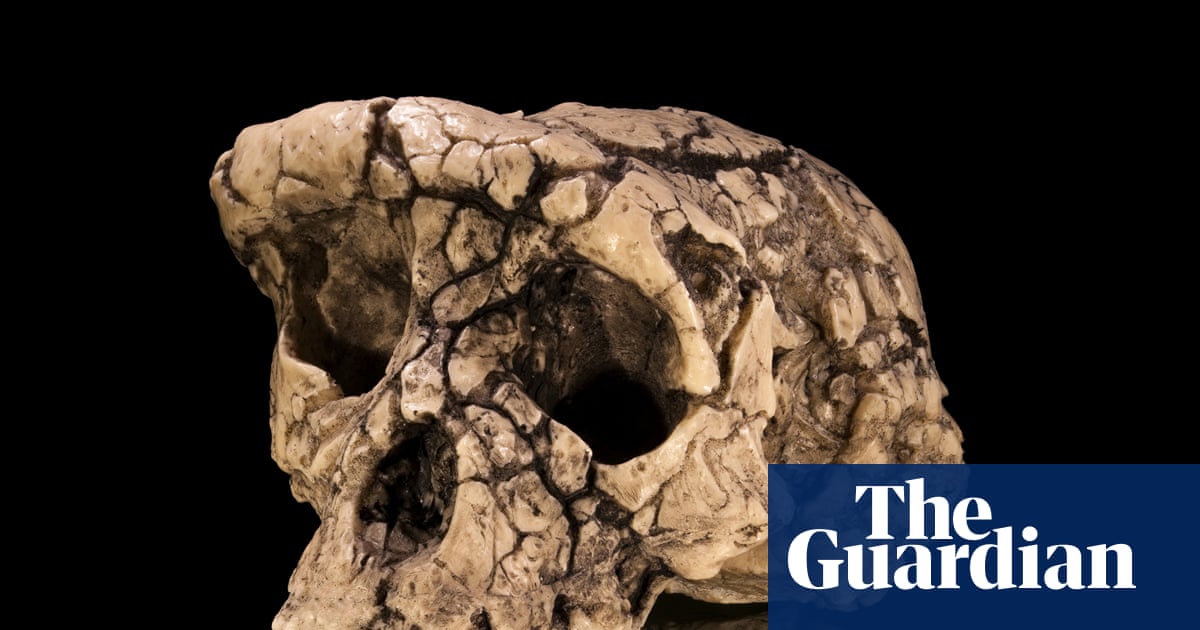
    In the vast tapestry of human evolution, the transition from quadrupedalism to bipedalism stands as a monumental shift. Recent research has brought forth a fascinating candidate in this evolutionary journey: the Sahelanthropus tchadensis, an ape-like species that roamed Africa approximately 7 million years ago. This discovery not only stirs intrigue but also reignites an age-old debate regarding our origins.

    New Insights from Ancient Bones

    The latest analysis of Sahelanthropus bones suggests that this species was more than just an ape; it possessed adaptations conducive to upright walking. Dr. Scott Williams, the lead author of the study, emphasizes that while it bore resemblance to modern chimpanzees or bonobos, its skeletal structure hints at a bipedal lifestyle.

    • Key Findings:
      • Sahelanthropus displayed features indicative of bipedalism.
      • Notable adaptations include a unique femoral tubercle on the thigh bone.
      • Other traits supporting upright walking were identified, such as a natural twist in the thigh bone.

    A Historical Context of Controversy

    This research is a continuation of the discussions that began in 2001 when the initial Sahelanthropus fossils were discovered in Chad. The lead researcher at that time, Prof. Michel Brunet, boldly claimed this species as the “ancestor of all humankind.” However, this assertion has been met with skepticism, particularly due to insufficient fossil evidence to support such claims.

    The current study re-examines previously analyzed thigh and forearm bones, revealing insights that could reshape our understanding of early hominin locomotion. Williams identifies the femoral tubercle as a crucial adaptation for bipedal walking, a feature he asserts is unique to upright-walking hominins.

    Ongoing Debate and Skepticism

    While the evidence presented is compelling, it does not settle the debate. Notably, Dr. Marine Cazenave from the Max Planck Institute remains unconvinced, labeling the evidence for upright walking as “weak.” She questions the significance of the femoral tubercle, suggesting it may not be directly linked to bipedalism.

    Moreover, other researchers express caution, arguing that more fossil evidence is necessary to definitively classify Sahelanthropus as a bipedal ancestor. Dr. Rhianna Drummond-Clarke articulates the need for further exploration to understand the nature of this species’ locomotion, particularly whether it was adapted for life in trees or on the ground.

    The Road Ahead

    The path to understanding our evolutionary lineage is fraught with complexities. As Dr. Guillaume Daver and Dr. Franck Guy from the University of Poitiers contend, the ongoing debate will only be resolved with additional fossil discoveries. Their hopes are set on future expeditions to the Chadian site, where more bones could provide the clarity needed.

    In conclusion, the investigation into the Sahelanthropus presents a thrilling glimpse into our ancestry, though it leaves us with as many questions as answers. The interplay of evidence and skepticism highlights the dynamic nature of evolutionary science, reminding us that our understanding of humanity’s origins is still evolving.

    For those interested in the broader context of this fascinating topic, I encourage you to read the original article here.

    Share. Facebook Twitter Pinterest LinkedIn Tumblr Email
    Previous ArticleThe Soothing Benefits of Dieux Skin Mercy Moisturizer for Sensitive and Compromised Skin
    Next Article Venezuelans Prepare for Uncertainty Following U.S. Military Action
    Li Wei

    Li Wei is a science and innovation reporter at Mirror Brief, covering space, biotech, and scientific breakthroughs for seven years. She explains technical advances without the fluff.

    Related Posts

    Science

    Stunning New Image Unveils Secrets of the Milky Way Galaxy

    February 26, 2026
    Science

    Earliest Known Writing Could Be 40,000 Years Older Than Previously Believed

    February 26, 2026
    Science

    Study Reveals Endangered Dolphins Affected by Toxic Waste from Screens

    February 26, 2026
    Medium Rectangle Ad
    Politics

    Hillary Clinton Refutes Claims of Meeting Jeffrey Epstein

    Tomas RiveraFebruary 27, 2026

    Hillary Clinton’s Denial: Analyzing the Epstein Connection Hillary Clinton’s Denial: Analyzing the Epstein Connection In…

    Customer Dilemma

    February 27, 2026

    Jersey Approves Legislation for Assisted Dying

    February 27, 2026

    Prada’s Ready-to-Wear Collection for Fall 2026

    February 27, 2026
    Blog Posts

    Hillary Clinton Refutes Claims of Meeting Jeffrey Epstein

    February 27, 2026

    Customer Dilemma

    February 27, 2026

    Jersey Approves Legislation for Assisted Dying

    February 27, 2026

    Prada’s Ready-to-Wear Collection for Fall 2026

    February 27, 2026

    Subscribe to Updates

    Get the latest creative news from FooBar about art, design and business.

    Medium Rectangle Ad
    About Us

    Welcome to Mirror Brief — your trusted lens into the stories shaping our world. From breaking news to in-depth analysis, we bring clarity, context, and perspective across a wide spectrum of global topics. Our mission is simple: to keep you informed, engaged, and inspired with reporting that’s accurate, timely, and thought-provoking.

    Top Picks

    Hillary Clinton Refutes Claims of Meeting Jeffrey Epstein

    February 27, 2026

    Customer Dilemma

    February 27, 2026
    Recent Posts
    • Hillary Clinton Refutes Claims of Meeting Jeffrey Epstein
    • Customer Dilemma
    • Jersey Approves Legislation for Assisted Dying
    • Prada’s Ready-to-Wear Collection for Fall 2026
    • About Us
    • Disclaimer
    • Get In Touch
    • Privacy Policy
    • Terms and Conditions
    © 2025 Mirror Brief. All rights reserved.

    Type above and press Enter to search. Press Esc to cancel.