



New Animal Welfare Strategy: A Mixed Bag of Reforms
The government has recently unveiled a comprehensive animal welfare strategy, set to make significant changes in various areas of animal care and management. This initiative, which promises to tackle pressing issues such as puppy farming and the controversial practice of trail hunting, has sparked both support and criticism across the board.
Key Components of the Strategy
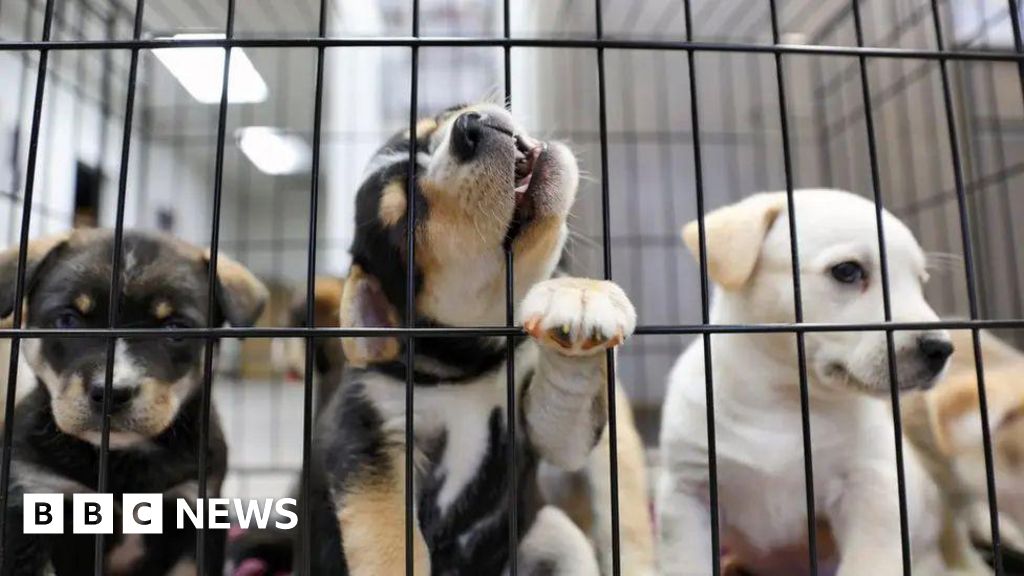
- End to Puppy Farming: A bold move that aims to eliminate the unethical breeding practices that prioritize profit over animal welfare.
- Ban on Electric Shock Collars: The use of these collars, often criticized for their inhumane nature, may soon be outlawed.
- Trail Hunting Ban: In line with Labour’s manifesto pledge, the government plans to address trail hunting, often seen as a cover for illegal fox hunting.
- Consultations and Legislative Reforms: The strategy includes consultations on various proposed bans and reforms to ensure thorough examination and input from stakeholders.
Environment Secretary Emma Reynolds emphasized the importance of these reforms during an interview with the BBC, stating that trail hunting is frequently a “smokescreen” for illegal activities. The new strategy is heralded as “the biggest animal welfare reforms in a generation,” although the implementation timeline extends until the end of 2030.
Support and Criticism
The RSPCA has expressed its approval of the plans to ban puppy farming, labeling it a potential “game-changer” in the fight against animal cruelty. David Bowles from the RSPCA highlighted the insidious nature of puppy farming, urging the government to close any legislative loopholes in the upcoming laws.
On the flip side, organizations like the Countryside Alliance have condemned the proposed ban on trail hunting, framing it as an unwarranted attack on rural traditions. CEO Tim Bonner described the government’s focus on hunting as “unbelievable,” arguing that it distracts from more pressing rural issues.
Broader Implications for Farming Practices
The strategy also aims to address broader farming practices, including:
- Ending Confinement Systems: This includes caged hens and pig farrowing crates, promoting more humane alternatives.
- Promotion of Slow-Growing Chicken Breeds: A shift away from fast-growing breeds, often termed “Frankenchickens,” to enhance animal welfare.
Anthony Field from Compassion in World Farming UK commended the government for raising the standards of farmed animal welfare, while the National Pig Association indicated they would closely monitor the developments regarding farrowing crates.
Final Thoughts
As we observe these developments, it is clear that the government’s animal welfare strategy is a crucial step forward, albeit with a complex landscape of opinions and concerns. The balance between animal welfare and rural traditions will require careful navigation and open dialogue among all stakeholders involved.
For those interested in the complete details of the strategy and its implications, I encourage you to read the original news article here.