



Addressing the Cracks in Franchise Business Oversight
Recent findings from a parliamentary committee have spotlighted the urgent need for reforms in the regulation of franchise businesses in the UK. The report has raised serious concerns regarding the lack of oversight and accountability within the sector, especially in light of several troubling incidents.
Key Findings of the Report
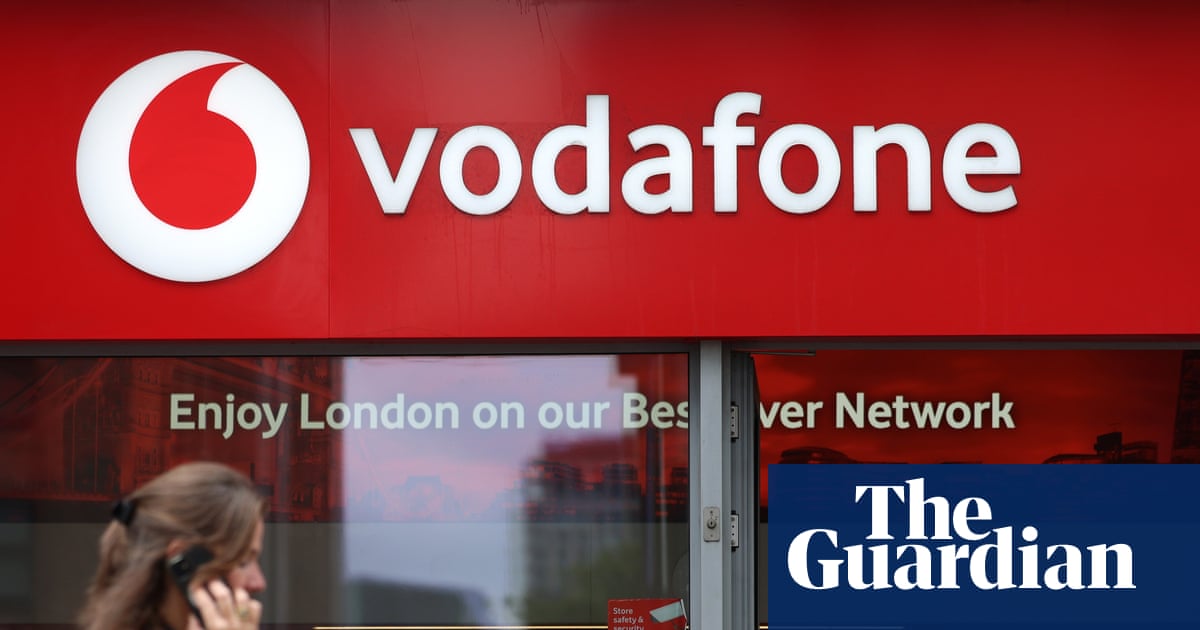
The business and trade committee’s report has been informed by a Guardian investigation that revealed the tragic case of Adrian Howe, a former Vodafone franchisee who reportedly drowned after fearing financial ruin linked to his franchise agreement. This case, among others, underscores the pressing issues within franchise operations.
- Power Imbalance: There are significant allegations from Vodafone franchisees about an imbalance of power in their agreements, prompting legal action against the company.
- Serious Allegations of Misconduct: The report also highlights disturbing claims of widespread sexual harassment and inadequate oversight in franchises like McDonald’s.
- Employment Abuse: The committee warns that poor oversight allows serious employment abuses to go unchecked, leaving franchisees vulnerable to unfair contractual practices.
A Call for Regulatory Change
The committee’s conclusion is clear: the current lack of a dedicated regulatory framework is untenable. They are advocating for:
- Introduction of a Statutory Code: This would provide a clearer set of guidelines and standards for franchise operations.
- Stronger Enforcement Mechanisms: To ensure compliance and protect the rights of franchisees and employees alike.
Moreover, the report sheds light on broader challenges faced by small businesses, including:
- Closure of an average of 38 stores daily on UK high streets.
- £112 billion in unpaid invoices owed to small businesses.
- Increased costs due to new policies, estimated at £7 billion.
Implications for Small Businesses
The chair of the committee, Liam Byrne, articulated the dire situation small and medium-sized enterprises (SMEs) are facing today. He indicated that:
- Many SMEs are under pressures reminiscent of the Covid pandemic.
- Challenges include late payments, rising costs, and a complex tax system that hinders growth.
Byrne’s call to action emphasizes that “high streets do not die by accident.” If the government is genuinely committed to economic growth, a more coherent plan is essential for the businesses that are the backbone of the UK economy.
Responses from Major Players
In response to the committee’s findings, McDonald’s stated that they hold franchisees accountable through enhanced review processes and maintain strict compliance standards. Similarly, Vodafone has defended its practices, asserting that it does not pressure franchisees into taking on underperforming stores.
Conclusion
The recent parliamentary report serves as a wake-up call for both the government and the franchise sector. There is an urgent need for reforms to prevent exploitation and ensure fair treatment of franchisees. Without such changes, the sustainability of these businesses, and by extension, our high streets, is at risk.
For a deeper dive into the original findings and discussions, I encourage you to read the original news article.