



Social Media Impact on Childhood: A Call to Action
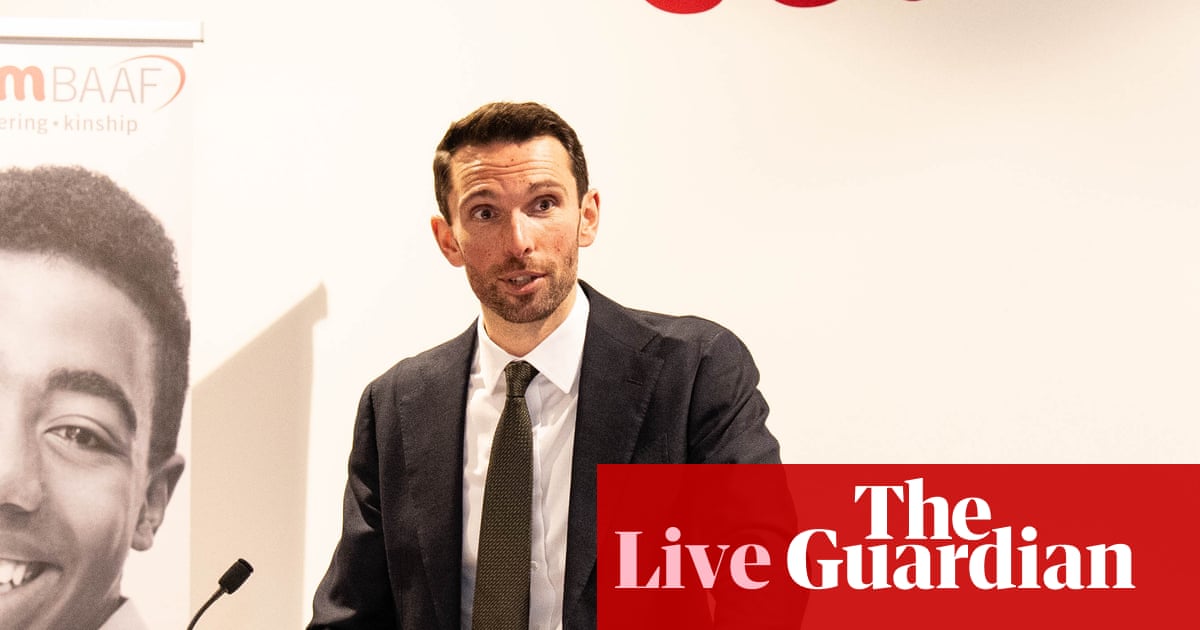
In a recent statement, Josh MacAlister, the Minister for Children and Families, expressed a concern that resonates deeply within our society: there has been a “complete rewiring of childhood” over the past decade, primarily due to the influence of social media and increased screen time. This revelation comes alongside the introduction of new government guidance aimed at helping parents navigate these challenges.
Government Guidance for Parents
During an appearance on ITV’s Good Morning Britain, MacAlister emphasized the need to establish new social norms to protect our children. Here are some key points from his address:
- Parents are encouraged to limit screen time for children under five to a maximum of one hour per day.
- For children under two, screen exposure should be avoided unless it involves shared activities that promote interaction.
- The guidance is intended to support parents without casting judgment, acknowledging the difficulty of implementing these changes.
The Fight Against Addictive Content
Adding to this discourse, Keir Starmer, the Prime Minister, highlighted the necessity of a concerted effort to combat the addictive nature of online platforms. He stated:
- Keeping children off mobile devices and screens will require a “fight” with social media platforms known for promoting addictive content.
- There is a growing recognition that these platforms design their products to keep children engaged for longer periods, often at the expense of their well-being.
A Broader Context
Starmer’s comments reflect a larger concern about how social media’s pervasive nature affects not just children but society as a whole. The recent trial in California, where tech giants Google and Meta were found liable for designing addictive products that led to harm, underscores this issue. The jury’s decision to award $6 million in damages signals a potential shift in accountability for these companies.
Looking Ahead
The government’s proactive stance in addressing screen time and social media usage is commendable, but it also raises questions about the effectiveness of these measures. Are we equipping parents with the right tools and resources to make these necessary changes? How can the government ensure that children are protected from the harmful effects of social media?
As we continue to navigate this complex landscape, it becomes increasingly clear that action is required not just from parents but from policymakers, tech companies, and society as a whole. The future of our children’s well-being may very well depend on it.
For more details and original coverage, be sure to visit the source: The Guardian.