



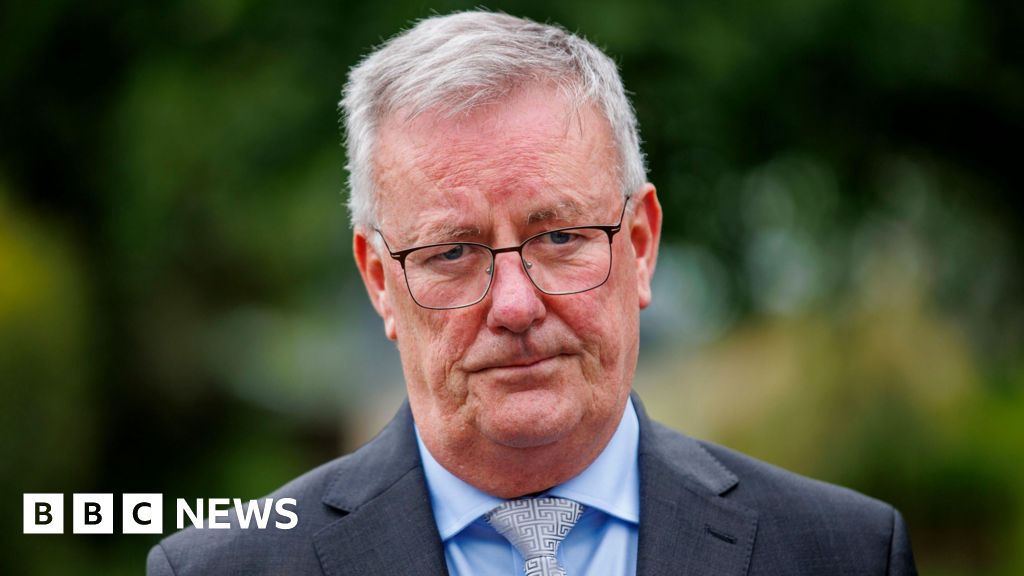
Mike Nesbitt Steps Down: A Turning Point for the Ulster Unionist Party
It is with significant weight that we witness the resignation of Mike Nesbitt as leader of the Ulster Unionist Party (UUP), a move that can be interpreted as both a necessary transition and a reflection of the party’s ongoing struggles. Announced in a communication to assembly members and party officers, Nesbitt’s decision is pivotal, not only for his own political trajectory but for the UUP’s future as well.
The Context of His Departure
Nesbitt’s leadership, which began again in August 2024, was always intended to be a temporary measure. He has cited the need for a successor to have ample time to prepare for the next assembly election as a primary reason for his departure. His frank acknowledgment of the dual burden of being both health minister and party leader highlights the immense pressure politicians face today.
- Nesbitt’s acknowledgment of needing to step aside for a new leader to emerge, ensuring they have a “reasonable amount of time” to settle in.
- His statement about not wanting to mislead voters regarding his intentions, emphasizing integrity in political service.
- A commitment to staying on as health minister, contingent on the next leader’s approval, reflecting his ongoing dedication to public service.
A Pivotal Moment for the UUP
The UUP has seen a series of leaders without significant positive change in its fortunes. Nesbitt’s departure has been characterized by party spokespersons as a “pivotal moment,” signaling a potential shift in strategy and leadership style. Here are some key points to consider:
- Nesbitt has been a key figure since his first leadership victory in 2012, yet his journey has been marked by challenges, including a resignation due to disappointing electoral results in 2017.
- The party has not seen a competitive leadership contest since Nesbitt’s return; this may change as new candidates emerge.
- Immediate plans for a leadership selection process promise inclusivity and engagement, an important step for revitalizing party morale.
The Future: Who Will Lead Next?
With speculation already brewing about potential successors, two primary candidates emerge: Robbie Butler and Jon Burrows. Their contrasting styles could significantly influence the party’s direction:
- Robbie Butler: A representative of the liberal wing, known for his diplomatic approach and commitment to modern unionism.
- Jon Burrows: A more controversial figure with a penchant for provocative statements, potentially appealing to a different demographic within the party.
Should both choose to run, it could mark the first competitive leadership election the UUP has seen in over a decade. This would not only energize the party but also signal a willingness to embrace change.
Reflections on Leadership and Legacy
Nesbitt’s tenure reflects a broader struggle within the UUP, characterized by a search for identity and relevance in a changing political landscape. His attempts to revive the party while simultaneously managing a vital government department were undoubtedly ambitious, if not overwhelming at times. The question remains:
- Can the UUP adapt and thrive under new leadership?
- Will the new leader be able to galvanize support and present a compelling vision for the future?
As we reflect on Nesbitt’s contributions, both he and his potential successors have expressed gratitude for his leadership. Butler praised Nesbitt’s vision for a positive unionism, while Burrows acknowledged his selfless service during tumultuous times.
As we stand at this crossroads for the UUP, the future hangs delicately in the balance. The next leader will need to navigate both the historical weight of the party and the pressing needs of an evolving electorate.
For a deeper understanding of this transition, please refer to the original news source here.